

Understanding the Investment in Dental Veneers
Dental veneers are a cosmetic dental treatment designed to enhance the appearance of teeth. They are thin, custom-made shells, typically crafted from porcelain or composite resin, that are bonded to the front surface of teeth. The procedure aims to correct aesthetic concerns such as discoloration, chipping, wear, misalignment, or uneven spacing. While often presented as a straightforward solution for achieving a “perfect smile,” it is important to approach this cosmetic procedure with a clear understanding of the factors that contribute to its overall cost. This article explores the various components that dictate the price of dental veneers, providing a detailed overview for those considering this treatment.
Factors Influencing the Initial Cost of Veneers
The price tag attached to dental veneers is not a static figure. Several variables come into play before you even sit in the dental chair. Understanding these initial cost drivers is the first step in budgeting for this smile transformation.
Material Choice: Porcelain vs. Composite Resin
The material from which veneers are made is a primary determinant of their cost. Each material offers distinct advantages and disadvantages, and these differences are reflected in the price.
Porcelain Veneers: The Premium Option
Porcelain, also known as dental ceramic, is frequently the material of choice for high-quality veneers. This is due to its durability, stain resistance, and remarkable ability to mimic the natural translucency and luster of tooth enamel. Porcelain veneers are meticulously crafted to match the exact shade and contour of your existing teeth, or a desired shade for a brighter smile. The manufacturing process for porcelain veneers is complex, often involving skilled dental technicians in specialized laboratories. This craftsmanship, combined with the inherent properties of the material, elevates their cost. Think of porcelain veneers as meticulously sculpted pieces of art, where each stroke of the brush by the technician adds to the value.
- Durability and Longevity: Porcelain is known for its strength and resistance to chipping and wear, contributing to a longer lifespan for the veneers and thus justifying a higher upfront investment.
- Aesthetic Appeal: The natural look and feel of porcelain are difficult to replicate, making it the preferred choice for individuals seeking the most lifelike results.
- Stain Resistance: Unlike natural enamel, porcelain is highly resistant to staining from food, beverages, and habits like smoking, ensuring your “perfect smile” remains pristine over time.
Composite Resin Veneers: The Budget-Conscious Alternative
Composite resin veneers are another option, often presenting a more accessible price point. These are made from a mixture of plastic and fine glass particles and are directly bonded to the tooth surface by the dentist in a single visit. While they offer aesthetic improvements, they may not achieve the same level of lifelike translucency as porcelain. Their durability can also be less than that of porcelain, and they may be more prone to staining over time.
- Direct Application: The ability to place composite veneers in a single appointment can contribute to a lower overall cost by reducing chair time and laboratory expenses.
- Repairability: Minor chips or damages to composite veneers can sometimes be repaired directly by the dentist, potentially saving on replacement costs.
- Aesthetic Limitations: While advancements have been made, composite resin may not always achieve the same depth of color and translucency as porcelain, which can be a consideration for those prioritizing absolute visual perfection.
Dentist’s Expertise and Reputation
The skill, experience, and reputation of the dental professional performing the veneer placement significantly influence the cost. A dentist with a proven track record in cosmetic dentistry, extensive training in advanced techniques, and a portfolio of successful cases will command higher fees. This is analogous to choosing a renowned architect for a custom home versus a general contractor.
- Specialized Training: Dentists who have undergone extensive post-graduate training in cosmetic dentistry, including veneer placement, often have higher overheads and expertise, reflected in their pricing.
- Artistry and Precision: Achieving a natural and aesthetically pleasing result with veneers requires a keen eye for detail, understanding of dental anatomy, and precise application techniques, all of which are honed through years of practice.
- Patient Outcomes: A dentist with a strong reputation is often associated with consistently positive patient outcomes, leading to greater demand and a premium pricing structure.
Laboratory Costs and Customization
The creation of veneers is an intricate process that relies heavily on dental laboratories. The quality of the laboratory, the skill of their technicians, and the level of customization required for each veneer will directly impact the price.
- Skilled Technicians: Dental laboratories employ highly trained technicians who meticulously sculpt and stain each veneer to match the patient’s unique characteristics and the dentist’s specifications. This artistry is a significant cost factor.
- Advanced Technology: High-quality laboratories utilize advanced digital scanning and milling technologies, which can contribute to both precision and cost.
- Custom Shade Matching: Achieving a perfect shade match to adjacent teeth or a desired brighter shade often requires multiple visits to the lab for the technician to fine-tune the color and translucency. This iterative process adds to the expense.
Complexity of the Case
The number of teeth requiring veneers and the complexity of the underlying dental issues will naturally escalate the total cost. If only a few minor imperfections need correction, the cost will be lower than a comprehensive smile makeover involving many teeth with significant aesthetic concerns.
- Number of Veneers: This is the most straightforward cost factor. If you need veneers on all 12 front teeth, the cost will be significantly higher than if you only need them on the two central incisors.
- Pre-existing Conditions: If you have underlying issues like significant tooth decay, gum disease, or misalignment that require extensive preliminary treatment before veneers can be placed, these additional procedures will add to the overall investment. This can be likened to preparing a canvas before painting: the more damaged the canvas, the more effort and resources are needed for preparation.
- Bite Adjustments: In some cases, veneers may necessitate adjustments to the patient’s bite to ensure proper function and prevent damage to the veneers themselves. This intricate work by the dentist adds to the overall cost.
Beyond the Initial Placement: Ongoing and Potential Future Costs
The investment in dental veneers does not end once they are bonded to your teeth. While veneers are designed for longevity, certain ongoing and potential future costs should be considered.
Maintenance and Care for Veneer Longevity
Maintaining the beauty and integrity of your veneers requires consistent, albeit generally straightforward, care. Neglecting proper maintenance can lead to premature issues and increased expenses.
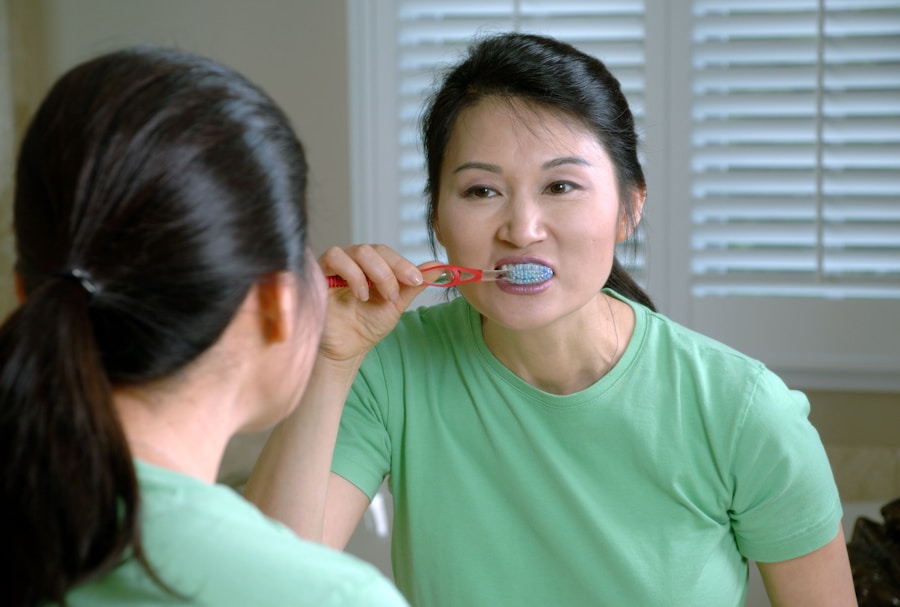
- Oral Hygiene: Regular brushing and flossing are paramount. The surfaces of veneers are not susceptible to decay in the same way natural teeth are, but the margins where the veneer meets the tooth can be vulnerable if not kept clean. Proper hygiene prevents plaque buildup and potential gum irritation.
- Dietary Considerations: While porcelain is stain-resistant, it is advisable to limit consumption of highly staining foods and beverages, such as red wine, coffee, and dark berries, especially in the initial period after placement. Composite resin veneers may require more diligent attention to staining.
- Professional Cleanings: Regular dental check-ups and professional cleanings are essential. Your dentist will monitor the condition of your veneers, check for any signs of wear or leakage, and ensure optimal oral health.
Potential for Repair or Replacement
While veneers are durable, they are not indestructible. Accidents, trauma, or even normal wear and tear over extended periods can lead to the need for repair or replacement.
- Chipping and Cracking: Though rare with porcelain, significant impact or biting down on hard objects can cause veneers to chip or crack. Repair might be possible in minor cases, but complete replacement may be necessary for more substantial damage.
- Debonding: In rare instances, a veneer may debond or come loose. This usually requires re-bonding by the dentist. The underlying tooth should be healthy for successful reattachment.
- Wear Over Time: While porcelain is highly wear-resistant, composite resin veneers can show signs of wear over many years. This may necessitate replacement to maintain the aesthetic appearance.
- Gum Recession: If gum recession occurs, the margin of the veneer may become visible, potentially impacting the aesthetic appeal. This may require replacement of the veneer to reposition the margin or address the underlying gum issue.
Additional Procedures and Costs
In some instances, further dental procedures might be necessary in conjunction with or after veneer placement, contributing to the overall financial commitment.
- Whitening of Adjacent Teeth: If you choose to whiten your natural teeth to a brighter shade before veneer placement, this is an additional cost. If you decide to whiten your natural teeth after veneer placement to match a slight color change over time, this also incurs further expense.
- Root Canal Treatment: If a tooth requiring a veneer has underlying decay or nerve damage that necessitates a root canal, this procedure will add to the overall cost before veneer placement. A root canal treatment on a tooth will often require a crown for structural integrity, which might impact the cost of a veneer compared to a natural tooth.
- Gum Contouring: For individuals with uneven gum lines that detract from the appearance of their veneers, gum contouring procedures may be recommended. This can be achieved through surgery or laser treatments, adding to the expense.
Strategies for Managing the Cost of Dental Veneers
Given the significant investment involved, employing smart strategies can help make dental veneers a more achievable goal.
Phased Treatment Approach
Opting for a phased treatment plan can break down the overall cost into more manageable installments, alleviating the immediate financial burden.
- Staggered Placement: Instead of undergoing a full smile makeover at once, consider having veneers placed on a few teeth at a time. This allows for staggered payments and adjustment to the new look. For example, you might start with the two front teeth, then subsequent quadrants.
- Prioritizing Key Teeth: Identify the teeth that cause you the most aesthetic concern and focus on those first. This can provide a significant improvement while spreading the cost over a longer period.
Exploring Financing Options
Many dental practices offer or partner with financing companies to help patients manage the cost of cosmetic procedures.
- In-House Financing: Some dental offices provide their own payment plans, often with interest-free options for a limited period.
- Third-Party Lenders: Companies like CareCredit, LendingClub, or Alphaeon Credit specialize in providing loans for medical and dental procedures, offering various repayment terms and interest rates. It is crucial to carefully review the terms and conditions of any financing option before committing.
Insurance and Flexible Spending Accounts (FSAs)
While veneers are primarily cosmetic, there are limited circumstances where insurance may offer some coverage, and FSAs can be a valuable resource.
- Medical Necessity vs. Cosmetic: Dental insurance typically covers procedures deemed medically necessary. If a veneer is required to restore a damaged or decayed tooth, there may be some reimbursement. However, for purely aesthetic reasons, coverage is unlikely. It is essential to consult with your insurance provider directly to understand your specific policy.
- FSAs and HSAs: Flexible Spending Accounts (FSAs) and Health Savings Accounts (HSAs) allow you to set aside pre-tax income for qualified medical and dental expenses. While cosmetic procedures are generally excluded, if the veneer is deemed medically necessary, it might be eligible. Always check the specific rules of your FSA or HSA.
The Long-Term Value and Return on Investment
While the upfront cost of dental veneers can be substantial, it’s important to consider the long-term value and potential return on investment in terms of improved quality of life and confidence.
Impact on Self-Esteem and Confidence
A smile is a powerful tool for social interaction and personal expression. For many, the desire for veneers stems from insecurity about their natural teeth, which can impact their self-esteem.
- Psychological Benefits: The confidence gained from a smile you are proud of can permeate various aspects of your life, from professional interactions to personal relationships. This intangible benefit is often the primary driver behind the investment.
- Social Engagement: Feeling more comfortable and confident in your smile can lead to greater social engagement, reduced self-consciousness in photos, and a general sense of improved well-being.
Improved Dental Function and Health (in some cases)
While primarily a cosmetic procedure, veneers can, in certain situations, contribute to improved dental function and offer protective benefits.
- Protection Against Wear: For individuals who suffer from bruxism (teeth grinding) or have worn down their natural teeth significantly, veneers can act as a protective shell, preventing further damage and restoring proper bite function.
- Correction of Minor Misalignments: Veneers can subtly correct minor misalignments and gaps, which can sometimes lead to improved bite dynamics and make oral hygiene more effective.
Durability and Longevity: A Long-Term Investment
When properly cared for and meticulously placed by a skilled professional, dental veneers can offer a durable and long-lasting solution, making them a worthwhile investment over time.
- Lifespan of Veneers: High-quality porcelain veneers, with proper care, can last for 10 to 15 years, or even longer. While this necessitates a significant initial outlay, their longevity can amortize the cost over many years, making them a cost-effective solution compared to frequent, less durable treatments.
- Reduced Need for Future Treatments: By addressing aesthetic concerns and potential functional issues effectively, veneers can sometimes reduce the need for more complex or costly dental interventions down the line.
In conclusion, understanding the multifaceted cost of dental veneers involves looking beyond the initial price tag. It’s a comprehensive evaluation of material choice, professional expertise, laboratory craftsmanship, case complexity, and potential ongoing or future expenses. By approaching this decision with a clear understanding of these factors and exploring available strategies for managing the investment, individuals can make an informed choice about whether dental veneers represent the right path to achieving their desired smile.




Leave a Reply