Veneers are thin, custom-made shells designed to cover the front surface of teeth. They are typically crafted from porcelain or composite resin and are bonded to the natural tooth structure. The primary purpose of veneers is to improve the appearance of teeth, addressing issues such as discoloration, chips, gaps, and minor misalignment. They offer a way to achieve a visually more uniform and aesthetically pleasing smile.
Understanding the Basics of Dental Veneers
Dental veneers function as a cosmetic facade for teeth, much like a finely crafted artisan’s veneer covers a piece of furniture. They are not a structural replacement for the tooth but rather an overlay applied to the existing tooth surface. The process involves preparing the tooth, taking an impression, and then permanently bonding the veneer. This procedure demands precision from the dental professional and a clear understanding from the patient of what veneers can and cannot achieve.
What Are Dental Veneers?
Dental veneers are thin shells, typically measuring around 0.5 millimeters in thickness, that are permanently attached to the front surface of teeth. The materials most commonly used are dental porcelain and composite resin. Porcelain veneers are known for their durability and natural luster, closely mimicking the light-reflecting properties of natural tooth enamel. Composite resin veneers, while often more affordable and requiring less tooth preparation, may not be as stain-resistant or as long-lasting as porcelain. The selection of material is a key decision point in the veneer process, influenced by budget, desired outcome, and the specific dental concerns being addressed.
Historical Context and Evolution of Veneers
The concept of improving tooth aesthetics is not new. Early attempts at dental restoration involved materials like ivory and gold. However, the development of modern veneers began in the late 1920s with Charles Pincus, a dentist who created porcelain veneers to be temporarily adhered to actors’ teeth for film shoots. These early iterations were held in place using denture adhesive, highlighting the limitations of materials and bonding techniques at the time. The advent of chemical bonding agents and advancements in dental ceramics in the latter half of the 20th century revolutionized veneer technology. These innovations allowed for greater durability, a more secure fit, and a more natural appearance, transforming veneers from a temporary cosmetic fix to a more permanent restorative option. The ongoing research and development in dental materials continue to refine veneer aesthetics and longevity.
Who Is a Good Candidate for Dental Veneers?
Veneers are primarily a cosmetic solution, and good candidates generally possess good oral hygiene and healthy teeth and gums. The ideal candidate for veneers typically presents with one or more of the following concerns:
- Discolored teeth: Teeth that are stained due to medication, excessive fluoride, or internal discoloration that cannot be effectively whitened by conventional methods.
- Chipped or broken teeth: Minor chips or fractures on the edges of teeth that affect appearance.
- Gaps or spaces between teeth (diastema): Small to moderate spaces that can be closed with veneers to create a more uniform smile.
- Slightly misaligned or irregularly shaped teeth: Teeth that are slightly crooked, uneven, or have an unusual shape can be improved with the application of veneers.
Conversely, individuals with severe tooth decay, gum disease, significantly missing teeth, or insufficient enamel may not be suitable candidates. Veneers are also not a substitute for orthodontic treatment for significant bite problems. A thorough dental examination is crucial to determine suitability.
The Veneer Application Process Explained
The journey to receiving dental veneers is a step-by-step process that requires careful planning and execution. It is a collaborative effort, with the dentist and patient working together to achieve the desired outcome. The process can be likened to a sculptor carefully shaping a block of marble to reveal the form within.
Initial Consultation and Treatment Planning
The veneer process begins with a comprehensive dental examination. During this initial consultation, the dentist will assess your oral health, discuss your aesthetic goals, and determine if veneers are the most appropriate solution for your needs. This is the stage where you communicate your vision for your smile. The dentist will examine your teeth for any signs of decay, gum disease, or existing restorative work. They will also discuss the various veneer materials, their pros and cons, and the expected lifespan of the restorations. Impressions or digital scans of your teeth will be taken to create a model that is essential for the precise fabrication of your veneers. Photographs of your smile may also be taken for documentation and to aid in the planning process.
Tooth Preparation and Impression Taking
For most porcelain veneers, a small amount of tooth enamel is removed from the front surface of each tooth that will receive a veneer. This reduction is typically between 0.5 and 1 millimeter and is necessary to create space for the veneer to lie flush with the surrounding teeth, preventing a bulky appearance. The amount of enamel removed depends on the existing contour of the tooth and the type of veneer being used. Following preparation, precise impressions of your teeth are taken. These impressions serve as the blueprint for the dental laboratory that will custom-fabricate your veneers. Modern dentistry often utilizes digital scanning technology for this stage, which can offer greater accuracy and patient comfort.
Enamel Reduction: Necessity and Extent
The removal of tooth enamel during veneer preparation is a critical step, but its extent is carefully considered. The goal is to achieve a natural-looking result without compromising the structural integrity of the tooth. Dentists aim to remove only the minimum amount of enamel necessary to accommodate the veneer. This reduction can range from a very conservative shaving of the surface to a slightly more substantial removal, depending on the existing tooth anatomy and the desired outcome. For instance, teeth that are already slightly protruding might require more significant reduction than those that are naturally set back. The decision is guided by achieving proper occlusion (bite), preventing impingement on gum tissue, and ensuring a seamless blend with adjacent teeth.
Temporary Veneers
In some cases, temporary veneers may be placed after the tooth preparation stage and before the permanent veneers are ready. These temporary restorations are typically made of acrylic and serve to protect the prepared teeth, maintain aesthetics during the fabrication period, and give you a preview of how the final veneers might look and feel. They are not intended for long-term use and can sometimes affect speech or mastication until the permanent veneers are bonded. This temporary phase allows for any minor adjustments to be identified before the final, irreversible steps.
Fabrication of Permanent Veneers
Once the impressions or scans are sent to the dental laboratory, skilled technicians will meticulously craft your custom veneers. This process involves layering porcelain or expertly sculpting composite resin to match the color, shape, and translucency of your natural teeth. The laboratory utilizes the detailed impressions and any shade guides provided by the dentist to ensure an accurate and aesthetically pleasing result. The fabrication of high-quality veneers is an art form, with technicians paying close attention to the subtle nuances that contribute to a lifelike appearance.
Bonding the Veneers
The final step is the permanent bonding of the veneers to your prepared teeth. The dentist will meticulously clean and dry the teeth, then apply a special dental adhesive. The veneers are then carefully placed onto the tooth surface, and a luting cement is used to secure them in position. A curing light is then used to harden the cement, creating a strong and durable bond. The dentist will check your bite to ensure that the veneers are functioning correctly and that your occlusion has not been adversely affected. Any minor adjustments to shape or fit are made at this stage.
Types of Dental Veneers and Their Characteristics
The choice of veneer material significantly impacts the final aesthetic, durability, and cost of the restoration. Understanding the differences between porcelain and composite resin veneers is paramount for making an informed decision.
Porcelain Veneers
Porcelain veneers are widely considered the gold standard in cosmetic dentistry due to their superior aesthetic qualities and durability. They are meticulously crafted in dental laboratories, offering a highly customizable solution.
Advantages of Porcelain Veneers
Porcelain veneers offer several distinct advantages. Their primary benefit lies in their aesthetic mimicry of natural tooth enamel. Porcelain is inherently translucent, allowing light to pass through and reflect similarly to natural teeth, resulting in a lifelike appearance. Porcelain also possesses excellent stain resistance, making veneers less prone to discoloration from coffee, tea, or red wine compared to composite resin. Furthermore, porcelain is a very strong material, and when bonded properly, porcelain veneers are highly durable and can last for many years, often exceeding 10-15 years with proper care. Their smooth surface also resists plaque accumulation, contributing to good oral hygiene.
Disadvantages of Porcelain Veneers
While porcelain veneers offer significant benefits, they also have drawbacks. The process typically requires more extensive tooth preparation, involving the removal of a small layer of enamel, which is an irreversible step. This can make them more costly than composite veneers. Due to their rigid nature, severely damaged teeth might not be suitable for porcelain veneers, as they do not offer additional structural support. Furthermore, if a porcelain veneer chips or fractures, it often needs to be replaced entirely, as it is difficult to repair in the mouth. The fabrication process also takes longer, often requiring multiple dental appointments.
Composite Resin Veneers
Composite resin veneers, also known as direct composite veneers, are applied directly to the tooth surface by the dentist in a single appointment. They are sculpted and shaped chairside.
Advantages of Composite Resin Veneers
Composite resin veneers offer several notable advantages. They are generally more affordable than porcelain veneers. Critically, the procedure often requires less tooth preparation, and in some cases, no enamel is removed at all, making it a more conservative option. This reversibility can be a significant factor for some patients. Furthermore, composite resin veneers can typically be repaired directly in the mouth if they chip or fracture, often a simpler and less expensive process than replacing a porcelain veneer. The entire treatment can often be completed in a single dental visit, offering convenience for busy individuals.
Disadvantages of Composite Resin Veneers
Composite resin veneers, while offering accessibility, do have limitations. They are generally not as stain-resistant as porcelain and can discolor over time, especially with exposure to staining foods and beverages. While durable, they are not as strong as porcelain and may be more prone to chipping or wear, particularly in patients who grind their teeth. The aesthetic potential, while good, may not reach the same level of natural luster and translucency as expertly crafted porcelain veneers. They can also absorb more moisture from the mouth over time, which can subtly alter their appearance.
Considerations and Potential Downsides of Veneers
While veneers offer a pathway to an improved smile, it is essential to approach the decision with a full understanding of the potential limitations and considerations involved. Like any cosmetic enhancement, veneers are not without their inherent challenges and risks.
Durability and Longevity of Veneers
The lifespan of dental veneers is a significant factor in their appeal, with both porcelain and composite options offering years of improvement when cared for properly. However, the longevity is not indefinite, and several factors can influence how long veneers last.
Factors Affecting Veneer Lifespan
Several elements contribute to the longevity of dental veneers. Oral hygiene practices are paramount; diligent brushing and flossing help prevent decay and gum disease around the veneer margins, which can compromise the bond and the underlying tooth. Dietary habits play a role, as excessive consumption of staining foods and beverages can discolor composite veneers and potentially weaken the bonding agent. Habits such as nail-biting, chewing on hard objects, or using teeth as tools can lead to chipping or fracture, particularly of porcelain veneers. Bruxism (teeth grinding or clenching) is a significant concern; this habit can place excessive force on veneers, leading to wear, chipping, or even debonding. In such cases, a night guard is often recommended to protect the veneers. The skill of the dentist and the quality of the laboratory fabrication also influence how well the veneers fit and bond, directly impacting their durability.
Potential Risks and Complications
While the veneer placement process is generally considered safe, as with any dental procedure, certain risks and complications can arise. Understanding these potential issues is part of a realistic assessment of the treatment.
Sensitivity and Discomfort
Following the preparation and bonding of veneers, some patients may experience temporary tooth sensitivity. This can manifest as discomfort when exposed to hot, cold, or even sweet stimuli. This sensitivity is usually mild and subsides within a few days or weeks as the tooth and gums adjust. However, persistent or severe sensitivity could indicate an issue with the bonding process or a problem with the underlying tooth structure, requiring professional assessment. The removal of enamel during preparation can make the inner dentin more susceptible to stimuli.
Veneer Debonding and Chipping
Although veneers are designed to be securely bonded, there is a possibility of them debonding or chipping. Debonding occurs when the adhesive bond between the veneer and the tooth fails, causing the veneer to detach. Chipping can occur due to excessive force, such as biting down on something hard or due to bruxism. If a veneer debonds, it can often be re-bonded if it has not been damaged. A chipped veneer may require repair or replacement, depending on the extent of the damage and the material of the veneer.
Gum Recession and Hygiene Challenges
In some instances, veneers may contribute to gum recession over time, particularly if they were not perfectly fitted or if oral hygiene is not maintained meticulously. This can expose the margin of the veneer and the prepared tooth root, creating a black line or an area susceptible to decay. Proper brushing and flossing techniques are crucial to maintain healthy gum tissue around veneers. If gum recession occurs, it may necessitate adjustments to the veneers or further treatment.
Maintaining Your Veneers for Long-Term Results
The investment in dental veneers requires ongoing commitment to maintenance to ensure their aesthetic appeal and functional longevity. This commitment mirrors the regular upkeep of any finely crafted item to preserve its condition.
Daily Oral Hygiene Practices
Maintaining excellent daily oral hygiene is fundamental to the upkeep of dental veneers. This involves more than just a cursory brushing.
Brushing and Flossing Techniques
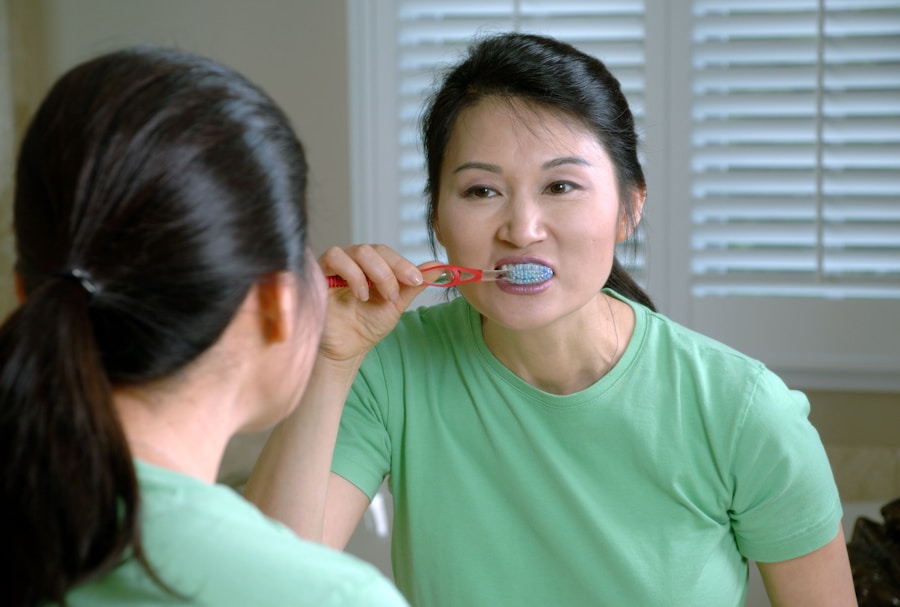
Patients should brush their teeth at least twice a day using a soft-bristled toothbrush and a non-abrasive toothpaste. It is important to brush gently around the gum line to avoid irritating the gums or damaging the veneer margins. Flossing at least once a day is crucial to remove food particles and plaque from between teeth and along the gum line, areas that veneers do not cover. Special interdental brushes or floss threaders may be recommended by your dentist if you have particularly tight spaces or bridges in conjunction with veneers. Avoid using abrasive toothpastes or harsh mouthwashes that could potentially scratch or weaken the veneer material over time.
Regular Dental Check-ups and Professional Cleaning
Beyond daily home care, routine professional dental care is indispensable for preserving the integrity and appearance of your veneers.
Importance of Professional Cleanings
Regular dental check-ups, typically every six months, are vital. During these appointments, your dentist will perform a thorough examination of your teeth and gums, paying close attention to the condition of your veneers. Professional cleanings conducted by a dental hygienist are also essential. Hygienists are trained to clean around veneers without causing damage. They can also identify early signs of potential problems, such as minor chips, cracks, or signs of wear, allowing for timely intervention before more significant issues develop.
Avoiding Habits That Can Damage Veneers
Certain behaviors can significantly compromise the lifespan and appearance of dental veneers. Consciously avoiding these habits can extend the life of your cosmetic investment.
Impact of Chewing Habits and Grinding
As mentioned previously, habits like chewing on ice, hard candies, or using your teeth to open packages can exert excessive force on veneers, potentially leading to chipping or even fracture, especially with porcelain. Similarly, bruxism, or teeth grinding and clenching, often occurs unconsciously, particularly during sleep. This habit can lead to significant wear on the biting surfaces of veneers over time. Dentists often recommend wearing a custom-fitted night guard to protect veneers from the damaging effects of bruxism. Discussing any teeth grinding habits with your dentist is crucial for managing this risk.
The Future and Innovations in Veneer Technology
The field of cosmetic dentistry is in constant evolution, and dental veneers are no exception. Ongoing research and technological advancements are continuously refining the materials, techniques, and possibilities associated with veneer application.
Advancements in Porcelain and Resin Materials
The development of new ceramic and composite materials is at the forefront of veneer innovation. Researchers are working on creating materials that offer even greater strength, improved aesthetic versatility, and enhanced biocompatibility.
Enhanced Aesthetics and Durability
New generations of porcelain formulations are being developed to offer superior translucency and color-matching capabilities, allowing for even more natural and lifelike results. These advancements aim to reduce the opacity often associated with older porcelain types, making veneers indistinguishable from natural teeth. Simultaneously, efforts are concentrated on increasing the fracture resistance of these materials, making them more resilient to daily wear and tear. Similarly, advancements in composite resin technology are leading to materials that are more stain-resistant, less prone to wear, and easier for dentists to shape and polish for optimal aesthetics.
Minimally Invasive Techniques and Digital Dentistry
The trend towards less invasive dental procedures is also shaping the future of veneers, with digital technologies playing a pivotal role in this evolution.
Digital Smile Design and 3D Printing
Digital dentistry is revolutionizing the veneer workflow. Digital Smile Design (DSD) utilizes software to create a virtual representation of your ideal smile, allowing you to visualize the outcome before any treatment begins. This technology enables precise planning and customization, ensuring that the veneers will harmonize with your facial features and existing dentition. Furthermore, advancements in 3D printing and milling technology allow for the rapid and accurate fabrication of veneers directly in the dental office or at nearby labs, potentially reducing treatment time and chairside adjustments. This precision ensures a more accurate fit and a more predictable aesthetic outcome.
The journey of understanding dental veneers reveals them as a sophisticated cosmetic solution, capable of transforming smiles when applied with skill and maintained with diligence.