A cracked tooth, a seemingly innocuous dental issue, can conceal significant health implications if left untreated. Unlike a fractured bone, a cracked tooth often presents subtly, its fissures acting as conduits for bacteria and sources of discomfort. This article examines the signs and symptoms associated with a cracked tooth, providing a factual overview for enhanced understanding and timely intervention.
The Anatomy of a Cracked Tooth
A cracked tooth is a structural compromise within the enamel, dentin, or even the pulp of a tooth. These cracks can vary in severity and orientation, influencing their symptomatology and prognosis. Understanding the types of cracks is crucial for accurate diagnosis and effective treatment.
Craze Lines
Craze lines are superficial cracks in the enamel, the outermost layer of the tooth. They are often asymptomatic and appear as fine lines, similar to hairline fractures in a ceramic glaze. While generally benign, they can sometimes be an indicator of clenching or grinding habits.
Fractured Cusps
A cusp is a pointed projection on the chewing surface of a tooth. Fractured cusps often occur around existing fillings, particularly large or old restorations. The fracture detaches a portion of the cusp, but typically does not extend into the pulp. While sharp pain during chewing is common, sensitivity to temperature is less frequent.
Cracked Tooth Syndrome
This term describes a crack that extends from the chewing surface of the tooth and often progresses vertically towards the root. The crack may or may not reach the pulp. The characteristic symptom is sharp, momentary pain when biting or releasing pressure, particularly on certain foods. Temperature sensitivity, especially to cold, is also common. This type of crack is often likened to a fault line in a landscape, a subtle initial fissure that can expand with continued stress.
Split Tooth
A split tooth is the progression of a cracked tooth syndrome where the crack has extended through the chewing surface and below the gum line, resulting in two distinct segments. The tooth effectively divides into two, compromising its structural integrity. Pain is often significant and continuous, and infection of the pulp is highly probable.
Vertical Root Fracture
These cracks originate in the root of the tooth and extend upwards towards the chewing surface. They are frequently associated with endodontically treated teeth (root canal therapy) and can be particularly challenging to diagnose. Symptoms may be localized or widespread and can mimic periodontal disease, often presenting as an isolated deep pocket or fistula (a small pimple on the gum).
Recognizing the Early Warning Signs
The adage “prevention is better than cure” holds particular relevance for cracked teeth. Early recognition of subtle indicators can prevent the escalation of a minor crack into a severe dental emergency. Be vigilant for the following signs.
Intermittent Pain with Chewing
This is often the most common and perplexing symptom. Unlike a cavity, which produces sustained pain, a cracked tooth often causes a sharp, fleeting pain when biting down on specific foods or when releasing bite pressure. Imagine stepping on a thin pane of glass – the pain is immediate and intense, then dissipates quickly. This pain is often described as a jolt or an electric shock. The pain can be unpredictable in its occurrence and location.
Sensitivity to Temperature Changes
Another common symptom, particularly to cold temperatures. This sensitivity can range from a mild, fleeting discomfort to a sharp, lingering pain. Hot sensitivity may also occur, but is generally less common than cold sensitivity. This sensation is a tell-tale sign that the crack has likely reached the dentin, allowing thermal stimuli to irritate the nerves within.
Unexplained Tooth Discomfort
Sometimes, a cracked tooth manifests as a general, dull ache that doesn’t pinpoint to a specific tooth. This diffuse discomfort can be a challenge for both the patient and the dentist to diagnose. It may be characterized by periods of dormancy followed by episodes of discomfort, particularly after eating or drinking.
Swelling or Tenderness of the Gums
If the crack has extended below the gum line and allowed bacteria to penetrate, an infection can develop. This can lead to localized swelling, redness, and tenderness of the gum tissue around the affected tooth. A small pimple-like lesion, known as a fistula, may also appear, indicating a draining infection. This is a clear signal that the underlying problem has progressed beyond a simple structural compromise.
Bad Breath or Unpleasant Taste
Persistent bad breath (halitosis) or an unpleasant taste in the mouth, particularly if localized to a specific area, can be a symptom of bacterial accumulation within a crack or an developing infection. The crack acts as a microenvironment for bacterial growth, generating foul-smelling compounds.
Factors Contributing to Tooth Cracks
Understanding the origins of tooth cracks can inform preventive measures and reduce your risk. These factors often combine to create a perfect storm for dental compromise.
Bruxism (Teeth Grinding and Clenching)
Chronic grinding or clenching of teeth places immense stress on dental structures. This continuous pressure, particularly during sleep, can lead to hairline fractures, especially in the absence of a proper bite or when teeth are subjected to uneven forces. Imagine repeatedly striking a delicate object with a hammer – over time, it will inevitably crack.
Large Dental Fillings
Teeth with extensive, old fillings are more susceptible to cracking. Large restorations can weaken the remaining tooth structure, making it more vulnerable to fracture under normal chewing forces. The filling’s expansion and contraction with temperature changes can also contribute to stress within the tooth.
Traumatic Injury
Direct trauma to the mouth, such as a fall, sports injury, or a car accident, can cause immediate and severe tooth cracks. Even seemingly minor impacts can initiate a crack that progresses over time.
Temperature Extremes
Sudden and extreme temperature changes, such as biting into an ice cube immediately after drinking a hot beverage, can create significant thermal stress within the tooth, potentially initiating or exacerbating cracks. This is similar to how a heated glass might crack when plunged into cold water.
Age
As individuals age, teeth naturally become more brittle and susceptible to cracks. The continuous wear and tear over a lifetime, coupled with a decrease in the tooth’s flexibility, increases the likelihood of fracture.
Diagnosing a Cracked Tooth
Diagnosing a cracked tooth can be challenging due to the elusive nature of its symptoms. A thorough dental examination employing various diagnostic tools is essential.
Visual Examination
While severe cracks may be visible, many are microscopic or located in difficult-to-see areas. Your dentist will use a dental mirror, good lighting, and sometimes magnification to look for any visible lines or discolored areas on the tooth surface.
Diagnostic Tools and Techniques
- Transillumination: A fiber optic light is shined directly on the tooth. The light travels through the healthy tooth structure but stops at a crack, making the crack appear as a dark line. This is particularly effective for detecting subtle enamel cracks.
- Biting Test: Your dentist may ask you to bite on a “tooth slooth” (a plastic reusable device) or a cotton roll. By isolating specific cusps, they can often pinpoint the exact location of the cracked tooth based on the pain response. The pain often occurs when the biting pressure is released, rather than directly on the bite.
- Dye Stains: A special dental dye can be applied to the tooth to highlight cracks that might otherwise be invisible. The dye penetrates into the crack, making it more discernible.
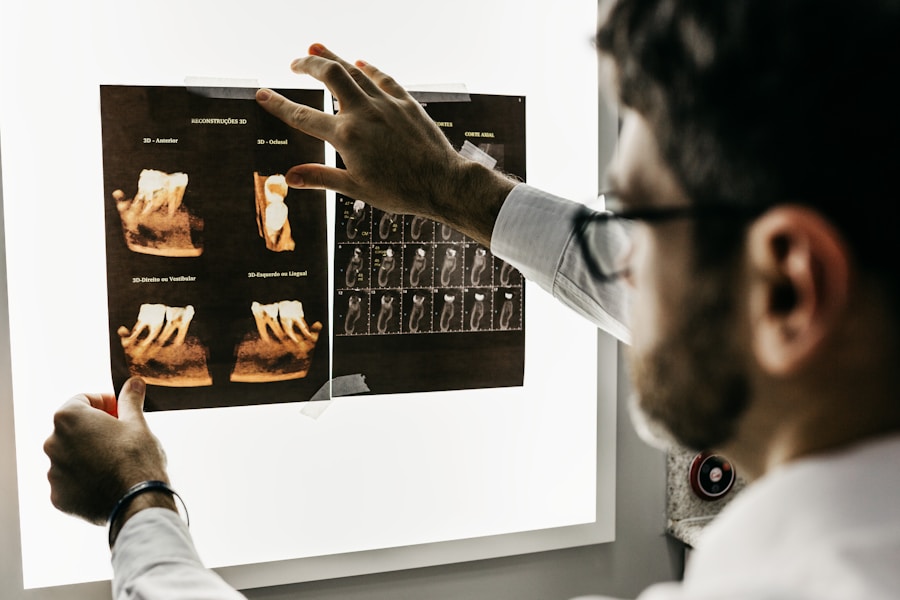
- Periapical and Bitewing X-rays: While X-rays often do not directly show cracks unless they are very wide or vertically oriented in the root, they can rule out other potential causes of pain, such as decay or abscesses. They can also show evidence of bone loss that might be indicative of a vertical root fracture.
- Periodontal Probing: If a vertical root fracture is suspected, your dentist may use a periodontal probe to check the depth of the gum pocket around the affected tooth. An isolated, deep pocket can be a sign of a root fracture.
- Exploratory Surgery: In some challenging cases, where all other diagnostic methods have yielded inconclusive results, a decision might be made to perform exploratory surgery. This involves gently lifting the gum tissue to gain a direct visual of the root surface. This is typically a last resort.
Treatment Options for a Cracked Tooth
The treatment for a cracked tooth depends heavily on the type, location, and extent of the crack. Prompt intervention is crucial to prevent further progression and potential tooth loss.
Bonding or Restorative Fillings
For minor cracks or craze lines that are primarily aesthetic concerns or do not extend deep into the tooth, dental bonding or a simple restorative filling may be sufficient. These treatments aim to seal the crack and protect the tooth from further damage.
Dental Crowns
A dental crown is a cap that completely covers the biting surface of the tooth, providing reinforcement and preventing the crack from spreading. Crowns are a common treatment for fractured cusps and cracked tooth syndrome, acting as a sturdy embrace for a weakened structure. The crown effectively binds the tooth fragments together, preventing further separation under chewing forces.
Root Canal Therapy
If the crack has extended into the pulp of the tooth, causing irreversible pulpitis (inflammation of the nerve) or infection, root canal therapy becomes necessary. This procedure involves removing the infected or inflamed pulp, cleaning and shaping the root canals, and then filling them with a biocompatible material. A crown is almost always recommended after root canal therapy to protect the now-brittle tooth from further fracture.
Tooth Extraction
In cases of severe cracks, such as a split tooth or a vertical root fracture where the tooth cannot be saved, extraction may be the only viable option. If the tooth is unsalvageable, removing it prevents ongoing pain and the spread of infection. After extraction, options such as dental implants, bridges, or partial dentures can be considered to replace the missing tooth.
Observation
For individuals with craze lines that are asymptomatic and do not appear to be progressing, your dentist may recommend a “watch and wait” approach, monitoring the crack during regular check-up appointments. However, consistent monitoring is essential.
Prevention Strategies
While not all tooth cracks are preventable, several measures can significantly reduce your risk.
Wear a Nightguard
If you grind or clench your teeth (bruxism), wearing a custom-fitted nightguard can protect your teeth from the excessive forces that lead to cracks. This acts as a protective barrier, absorbing the impact and distributing the pressure evenly.
Avoid Biting Hard Objects
Refrain from biting on ice, hard candies, popcorn kernels, or non-food items like pen caps. These objects can exert intense, localized pressure, leading to sudden fractures.
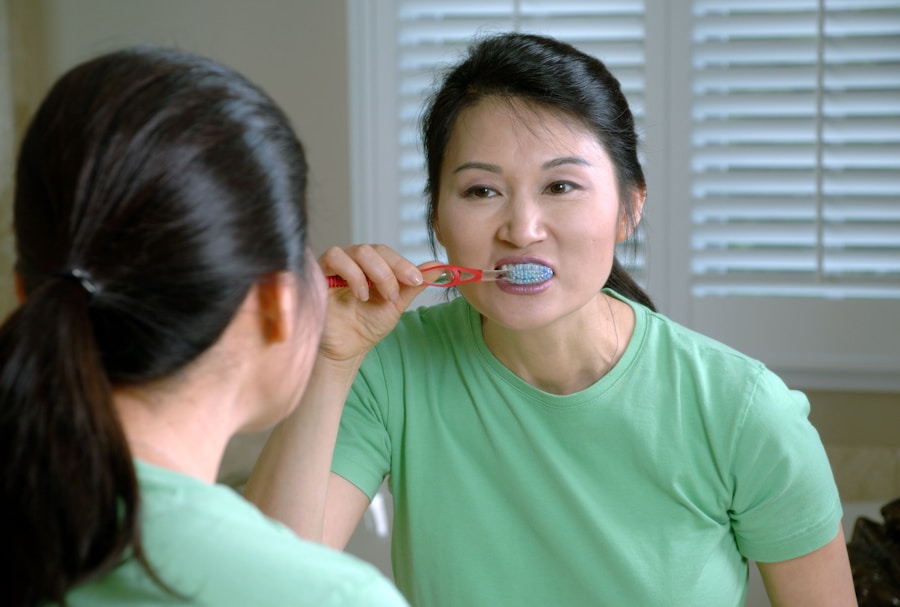
Maintain Good Oral Hygiene
Regular brushing, flossing, and dental check-ups can help identify potential problems early and maintain overall tooth health, making teeth more resilient.
Address Existing Dental Problems
Promptly treat cavities and replace old, large, or failing fillings to strengthen vulnerable teeth. Regularly consult your dentist for check-ups and professional cleanings.
Wear a Mouthguard for Sports
If you participate in contact sports or activities with a risk of facial impact, a custom-fitted mouthguard is essential to protect your teeth from traumatic injuries. This acts as a shock absorber, dispersing impact forces across a wider area.
By understanding the signs, symptoms, causes, and treatment options for a cracked tooth, you can be better equipped to seek timely professional help and preserve your dental health. A cracked tooth is not merely a superficial flaw; it can be a gateway to pain, infection, and ultimately, tooth loss. Early detection is your best ally in navigating this common dental challenge.