Introduction to Dental Implants and Tooth Loss
Tooth loss represents a significant challenge to oral health and overall well-being. It can stem from various factors, including periodontal disease, dental trauma, and extensive decay. Beyond the aesthetic impact, missing teeth can compromise masticatory function, leading to nutritional deficiencies and digestive issues. The absence of teeth can also contribute to bone resorption in the jaw, altering facial structure and potentially affecting speech. Traditionally, solutions for tooth loss have included removable dentures and fixed bridges. While these options serve their purpose, they often present limitations in terms of stability, comfort, and the preservation of adjacent healthy teeth.
Dental implants have emerged as a prominent and effective treatment for tooth replacement. These small, screw-shaped fixtures, typically made from biocompatible materials like titanium, are surgically placed into the jawbone. Their primary function is to serve as a stable anchor for prosthetic teeth. The process by which the implant integrates with the bone – known as osseointegration – is critical for long-term success. Over time, the bone grows around and fuses with the implant surface, creating a strong and durable foundation. Once osseointegration is complete, a custom-designed crown, bridge, or denture can be attached to the implant, restoring both function and aesthetics. This method offers a more permanent and stable alternative to traditional tooth replacement options, closely mimicking the feel and function of natural teeth.
The Evolution of Dental Implant Technology
The development of dental implantology has undergone substantial progress since its conceptualization. Early implants often involved multi-stage surgical procedures that required extended healing periods between each phase. Patients typically endured months, or even a year, between initial implant placement and the final placement of the prosthetic tooth. This prolonged timeline was a primary consideration for both patients and practitioners, often delaying the full restoration of oral function and aesthetics.
The advent of immediate loading techniques, which form the basis of “same-day” or “teeth-in-a-day” protocols, marked a significant advancement. This innovation challenged the traditional paradigm of delayed loading, which mandated a waiting period for complete osseointegration before applying occlusal forces. Immediate loading protocols involve placing a provisional or definitive restoration on the implant on the same day or within a few days of surgical placement. This approach, while not universally applicable, has revolutionized treatment timelines for suitable candidates. It addresses a key patient desire: the immediate restoration of a functional and aesthetically pleasing smile. The evolution also encompasses improvements in implant surface technology, surgical planning software, and prosthetic fabrication techniques, all contributing to more predictable and efficient outcomes.
Understanding Same Day Dental Implants
Same Day Dental Implants, often referred to as immediate load dental implants or “teeth in a day,” represent a contemporary approach to tooth replacement. This protocol allows for the extraction of a compromised tooth, placement of a dental implant, and the attachment of a temporary or, in some cases, a permanent crown within a single appointment or a very short timeframe. The primary distinction from conventional implant procedures lies in the immediate or near-immediate placement of a restoration that bears biting forces.
The Mechanics of Immediate Loading
The success of immediate loading hinges on several critical factors. Primary stability, meaning the implant’s initial mechanical engagement with the bone at the time of placement, is paramount. This stability acts as a provisional anchor, resisting micromovement that can hinder osseointegration. Advanced implant designs, such as tapered or aggressively threaded implants, contribute to achieving high primary stability even in less dense bone. The surgical technique employed also plays a vital role. Minimally invasive approaches, precise osteotomy preparation, and careful attention to bone quality are crucial for maximizing initial stability.
Indications and Contraindications
While highly beneficial for appropriate candidates, immediate loading is not suitable for everyone.
Ideal Candidates for Immediate Load Implants
- Good General Health: Patients should be free from uncontrolled systemic diseases that could impair healing, such as uncontrolled diabetes or severe autoimmune disorders.
- Sufficient Bone Density and Volume: Adequate bone quality and quantity at the implant site are essential to achieve the necessary primary stability. This includes sufficient alveolar bone height and width.
- Good Oral Hygiene: A commitment to excellent oral hygiene pre- and post-procedure is critical for successful long-term outcomes and to prevent peri-implantitis.
- Non-Smoker or Willingness to Quit: Smoking significantly impairs healing and increases the risk of implant failure.
- Absence of Active Periodontal Disease: Pre-existing periodontal infections must be managed and resolved before implant placement to ensure a sterile and healthy surgical environment.
Contraindications for Immediate Load Implants
- Insufficient Primary Stability: If the implant cannot achieve adequate mechanical engagement with the bone at placement, immediate loading is contraindicated.
- Poor Bone Quality or Quantity: Compromised bone that cannot provide sufficient support for immediate loading will necessitate a delayed approach, potentially with bone grafting.
- Parafunctional Habits: Severe bruxism or clenching can exert excessive forces on the immediately loaded implant, leading to failure.
- Uncontrolled Systemic Diseases: Conditions impacting wound healing, such as poorly controlled diabetes, can increase risks.
- Active Oral Infections: Any active infection in the oral cavity must be treated before implant placement.
- Certain Medications: Some medications, like bisphosphonates, may affect bone metabolism and healing, requiring careful evaluation.
The Same Day Dental Implant Procedure: A Step-by-Step Overview
The procedure for Same Day Dental Implants, while streamlined, involves a meticulous process to ensure optimal outcomes. It integrates advanced diagnostic tools, precise surgical techniques, and immediate prosthetic solutions.
Initial Consultation and Diagnosis
The journey begins with a comprehensive consultation. This involves a thorough review of your medical and dental history, addressing any systemic conditions or medications that could impact treatment. A detailed oral examination assesses the health of your existing teeth, gums, and surrounding oral structures.
Advanced Imaging and Treatment Planning
Critical to successful implant placement is advanced imaging. Cone Beam Computed Tomography (CBCT) scans provide three-dimensional images of your jawbone, soft tissues, nerve pathways, and bone density. This detailed information allows the dental surgeon to precisely plan the implant’s optimal angulation, depth, and position, avoiding vital anatomical structures like nerves and sinuses. Digital impressions may also be taken to create a highly accurate model of your mouth for prosthetic fabrication. This data-driven approach minimizes surgical complications and enhances predictability.
Surgical Placement of the Implant
On the day of the procedure, local anesthesia is administered to ensure comfort. Sedation options are also available for anxious patients. If a tooth needs to be extracted, it is carefully removed at this stage.
Grafting and Bone Augmentation (If Necessary)
In some cases, the remaining bone may not be sufficient to support an implant, particularly after tooth extraction. Bone grafting materials, either synthetic or derived from human or animal sources, may be used to augment the socket or deficient areas. This step creates a more robust foundation for the implant. However, if significant grafting is required, immediate loading may need to be postponed.
Implant Placement and Primary Stability
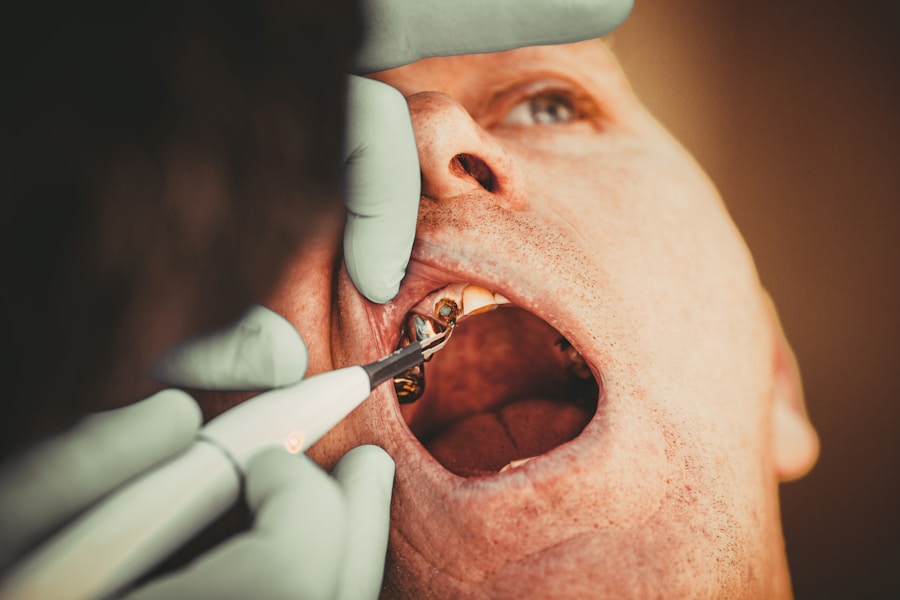
The dental implant, a small titanium post, is surgically inserted into the prepared osteotomy site in the jawbone. The surgeon carefully monitors the implant insertion torque to ensure adequate primary stability. Achieving sufficient primary stability is absolutely crucial for the success of immediate loading. It locks the implant into the bone, acting as a temporary anchor while biological integration subsequently occurs.
Immediate Provisional Restoration
Once the implant is securely placed and adequate primary stability is confirmed, an abutment is attached to the implant. The abutment serves as a connector between the implant and the crown.
Custom Fabrication of the Temporary Crown
A temporary crown (or bridge/denture, depending on the case) is then custom-fabricated and attached to the abutment. This provisional restoration is designed to provide immediate aesthetics and limited function. It is intentionally designed to be slightly out of full bite to minimize occlusal forces during the initial healing period, protecting the integrating implant from excessive stress. This temporary restoration acts as a placeholder, maintaining gum contour and allowing the patient to function with a restored smile from day one.
Benefits and Advantages of Same Day Dental Implants
Same Day Dental Implants offer several compelling advantages over traditional multi-stage implant protocols, addressing both functional and psychological aspects of tooth loss.
Immediate Aesthetic and Functional Improvement
One of the most significant benefits is the immediate restoration of your smile. You walk out of the dental office with a functional and aesthetically pleasing temporary tooth or set of teeth. This eliminates the period of living with a visible gap or relying on removable prosthetics, which can improve self-confidence and social interactions. The immediate restoration allows you to eat soft foods and speak more clearly right away, improving your quality of life from day one.
Reduced Treatment Time and Fewer Appointments
The compressed timeline is a major draw for many patients. Traditional implants can involve several months or even a year of waiting between surgical stages. Same Day Implants significantly reduce the total treatment duration, completing the surgical and provisional restorative phases in a single visit or a few closely spaced appointments. This reduces the number of dental visits, making the process more convenient and less disruptive to your an individual’s daily schedule.
Preservation of Jawbone and Facial Structure
When a tooth is lost, the underlying jawbone begins to resorb or shrink due to the lack of stimulation. This bone loss can lead to changes in facial structure, creating a sunken or aged appearance. Dental implants act as artificial tooth roots, stimulating the jawbone and helping to prevent further bone resorption. By placing implants promptly, especially after an extraction, the remaining bone is better preserved, maintaining facial contours. This preservation is a long-term benefit for both oral health and aesthetic appearance, acting as a buttress to the facial architecture.
Enhanced Patient Comfort and Convenience
The streamlined procedure contributes to a more comfortable patient experience. Fewer surgical interventions and shorter overall treatment times mean less time in the dental chair and potentially reduced post-operative discomfort spread over multiple stages. The immediate provisional restoration allows you to resume social and professional activities promptly, avoiding the inconvenience and self-consciousness associated with temporary gaps or ill-fitting dentures. This convenience can significantly reduce treatment-related stress and anxiety.
Potential for Higher Success Rates with Proper Case Selection
While immediate loading presents specific challenges, with careful patient selection, meticulous planning, and skilled execution, success rates can be comparable to traditional delayed loading protocols. Advances in implant design, surgical techniques, and radiographic imaging have further enhanced the predictability of immediate loading. When executed by experienced professionals on appropriate candidates, the success rate is high, offering a durable and reliable solution.
Post-Procedure Care and Long-Term Success
The success of Same Day Dental Implants extends beyond the surgical chair; meticulous post-operative care and long-term maintenance are paramount for the longevity and health of your new smile.
Immediate Post-Operative Instructions
Following your procedure, you will receive specific instructions to facilitate healing and protect your immediate provisional restoration.
Managing Discomfort and Swelling
Some discomfort and swelling are normal after dental surgery. Pain medication, typically over-the-counter anti-inflammatories or prescribed analgesics, will be recommended as needed. Applying an ice pack to the external cheek near the surgical site in 20-minute intervals can help reduce swelling in the first 24-48 hours.
Dietary Restrictions
During the initial healing phase, typically lasting several weeks to a few months, a soft diet is crucial. The temporary restoration is designed for aesthetics and light function, not for heavy chewing. Avoiding hard, crunchy, or sticky foods prevents undue stress on the integrating implant and the provisional crown. Think of it like a new road being paved; you wouldn’t drive heavy machinery over it right away. Gradually, as healing progresses, you can reintroduce a more varied diet as advised by your dentist.
Oral Hygiene
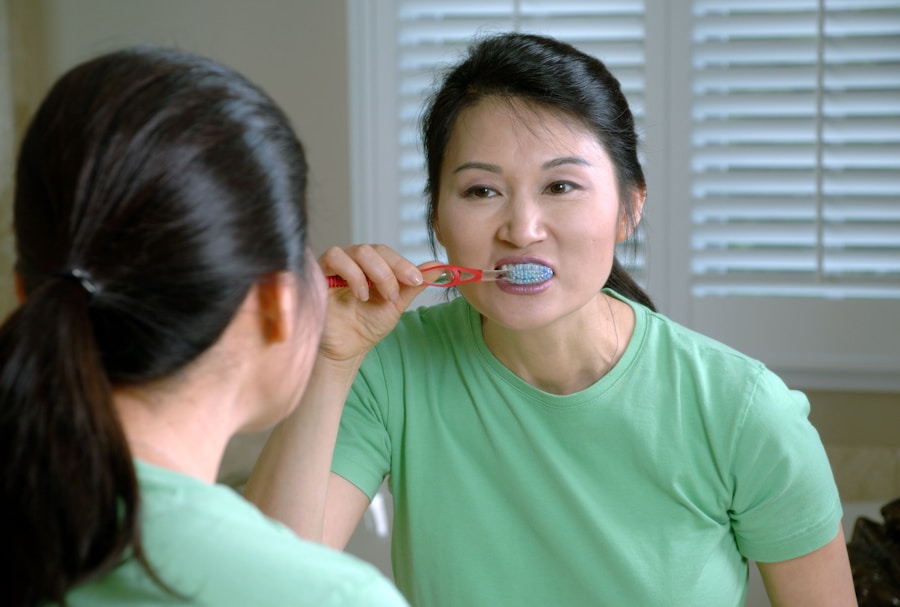
Maintaining meticulous oral hygiene is critical. You will be instructed on how to gently clean the implant site and surrounding teeth. This may involve using a soft-bristled toothbrush, special interdental brushes, and an antimicrobial mouthwash. Avoid aggressive brushing near the surgical site during the initial healing period. Keeping the area clean prevents infection and promotes healthy tissue integration.
The Integration and Final Restoration Phase
The journey doesn’t conclude with the immediate restoration. The period following implant placement is vital for osseointegration, where the jawbone fuses with the implant surface.
Osseointegration and Healing Monitoring
This phase, typically lasting 3 to 6 months, involves regular follow-up appointments. Your dentist will monitor the healing progress, ensuring the bone is integrating effectively with the implant. X-rays may be taken to assess bone density around the implant. During this time, the provisional restoration protects the implant and maintains your appearance and limited function.
Placement of the Permanent Restoration
Once adequate osseointegration is confirmed and the implant is stable, the temporary crown is replaced with a permanent, custom-fabricated restoration. This final crown (or bridge/denture) is precisely designed to match the shape, size, and color of your natural teeth, ensuring optimal aesthetics, bite function, and longevity. This is the stage where the new bridge spanning the previous gap is made to withstand the full rigors of daily use.
Long-Term Maintenance and Oral Health
The long-term success of your Same Day Dental Implants hinges on consistent excellent oral hygiene and regular professional check-ups.
Regular Dental Check-ups and Cleanings
Just like natural teeth, dental implants require professional care. Routine check-ups allow your dentist to monitor the health of your implants, surrounding gums, and remaining natural teeth. Professional cleanings remove plaque and tartar buildup that can accumulate around implants, preventing peri-implantitis (inflammation around the implant) and other complications.
Home Oral Care Practices
Diligent daily oral hygiene is non-negotiable. This includes brushing twice daily with a soft-bristled toothbrush, flossing daily (using special floss for implants if recommended), and potentially using an oral irrigator. Consider your implants as valued possessions; thoughtful, consistent upkeep is critical for their endurance. Your dental team will provide personalized guidance on the best tools and techniques for your specific situation. Adherence to these practices significantly contributes to the decades-long lifespan often associated with successful dental implants.