Same-Day Dental Implants: Restoring Function and Aesthetics Promptly
The concept of replacing missing teeth has undergone a significant evolution. For many years, the process of receiving dental implants was a multi-stage procedure, often taking several months to complete, from initial placement to the final restoration. This extended timeline could be a considerable hurdle for individuals seeking a swift and effective solution to tooth loss. However, advancements in dental technology and surgical techniques have made it possible to achieve a functional and aesthetically pleasing smile in a shorter timeframe. This article will examine the principles, procedures, and suitability of same-day dental implants, a treatment often presented to the public as “Get a Brand New Smile in Just 24 Hours,” while maintaining a grounded, factual perspective.
Understanding Same-Day Dental Implants
Same-day dental implants, sometimes marketed as “immediate load” or “immediate temporization” dental implants, refer to a protocol where a dental implant is surgically placed, and a temporary or even definitive crown is attached to it on the same day of the procedure. This differs from the traditional method, where implants are placed, and a healing period of several months is allowed before the abutment and crown are attached. The ability to load an implant on the same day relies on several key factors, primarily centered around the stability of the implant at the time of placement.
The Mechanism of Immediate Loading
The success of immediate loading hinges on achieving primary stability of the implant within the jawbone. This initial stability is the mechanical interlocking of the implant fixture with the bone, providing a solid foundation. Analogous to building a house on solid ground versus loose sand, the bone must offer sufficient support to withstand the forces of chewing without micromovement. If the implant is loose, it can lead to inflammation and prevent osseointegration – the biological process where bone grows onto and fuses with the implant surface, essentially becoming part of the bone.
Factors Influencing Primary Stability
Several elements contribute to achieving the necessary primary stability for same-day implants:
- Surgical Technique: Precise drilling and preparation of the implant site are crucial. The surgeon must carefully manage the bone density and ensure the implant is placed at the correct angle and depth. Overheating the bone during drilling can damage it, compromising stability. Minimally invasive surgical approaches, often employing guided surgery, can enhance precision and predictability.
- Implant Design: Modern implant designs often feature specialized threads and surface treatments that promote better bone-to-implant contact and enhance initial gripping power. These designs are engineered to engage the bone more effectively, increasing the torque required to remove the implant from its site.
- Bone Quality and Quantity: The density and volume of the jawbone are paramount. Denser bone, such as type I or type II bone, offers superior support compared to softer bone. While bone grafting techniques can augment bone volume, the inherent quality of the native bone plays a significant role in immediate implant success.
- Surgical Site Conditions: The absence of infection or significant inflammation at the implant site is essential. Any underlying periodontal disease must be addressed and resolved before implant placement.
Differentiating from Traditional Implant Procedures
The fundamental distinction lies in the timing of provisional restoration. In conventional implantology, the implant is concealed beneath the gum tissue for a period, typically three to six months, to allow for undisturbed osseointegration. Once osseointegration is confirmed, the implant is uncovered, an abutment is attached, and then the final crown is placed. Same-day implants bypass this extended healing phase for the provisional restoration.
The “All-on-4” Concept and Its Relation to Immediate Loading
The “All-on-4” treatment concept is a well-known application of immediate loading, particularly for replacing a full arch of missing teeth. This protocol involves placing four strategically positioned dental implants in the jaw, often utilizing angled implants to maximize bone engagement. These implants are then immediately loaded with a temporary prosthesis, which can be relatively quickly replaced with a more definitive prosthesis. While the term “All-on-4” suggests exactly four implants, variations with more implants (e.g., “All-on-6”) also exist and follow similar immediate loading principles.
The Surgical Procedure: A Step-by-Step Overview
The process for receiving same-day dental implants, while streamlined, still requires meticulous planning and execution. It is not a process undertaken without careful consideration of the patient’s oral health.
Initial Consultation and Planning
The journey begins with a comprehensive evaluation. This is where the foundation for success is laid, much like laying the groundwork for a building.
- Medical and Dental History Review: A thorough understanding of your overall health and dental history is essential. Certain medical conditions, such as uncontrolled diabetes or a history of radiation therapy to the head and neck, can impact healing and implant success.
- Clinical Examination: A dentist will examine your mouth, gums, and remaining teeth. They will assess the condition of your jawbone and the bite.
- Radiographic Imaging: Advanced imaging techniques, such as 3D cone-beam computed tomography (CBCT), are indispensable. These scans provide detailed images of your jawbone, allowing for precise measurement of bone density and volume, and visualization of vital anatomical structures like nerves and sinuses. This forms a three-dimensional map for the surgeon.
- Treatment Plan Development: Based on the gathered information, a personalized treatment plan is created. This includes the number and precise placement of implants, the type of implant to be used, and the design of the temporary or definitive prosthesis.
Implant Placement Surgery
The surgical phase is where the implant fixture is integrated into the bone.
- Anesthesia: The procedure is performed under local anesthesia, and for anxious patients or more complex cases, sedation options may be available.
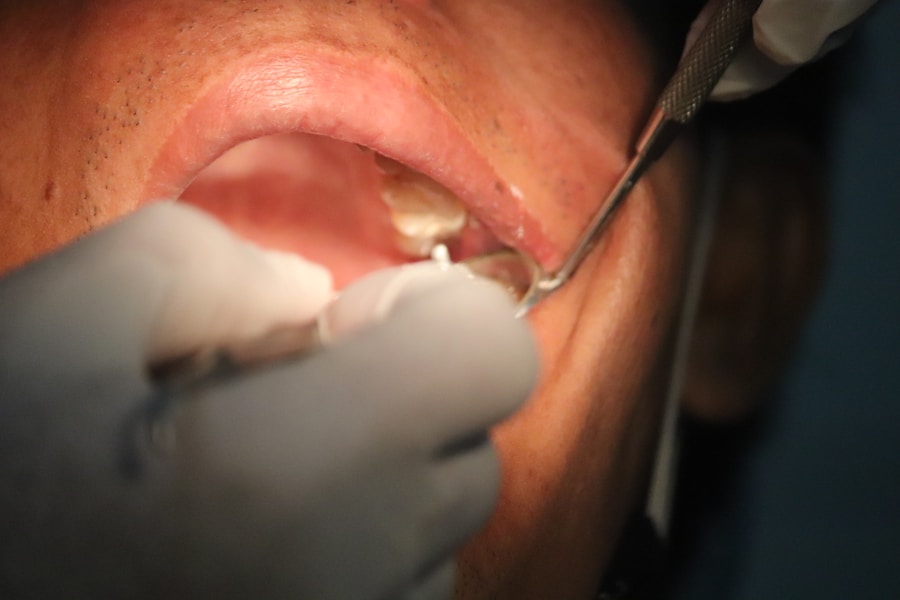
- Site Preparation: Using pre-planned surgical guides, precisely sized and angled osteotomies (bone preparation) are created. The use of surgical guides ensures accuracy, minimizing deviations from the planned implant position.
- Implant Insertion: The titanium implant fixture is carefully screwed or tapped into the prepared bone site. The torque (rotational force) applied during insertion is a critical indicator of primary stability.
- Abutment Connection (Optional for Immediate Provisional): In some protocols, a healing abutment or a temporary abutment is attached to the implant immediately. This component will emerge through the gum tissue and serve as a connector for the temporary crown.
Provisional Restoration Placement
This is the step that differentiates same-day implants.
- Impression Taking: Impressions of the surgical site and opposing teeth are taken to fabricate the temporary prosthesis. Digital intraoral scanners are increasingly used for this purpose, offering accuracy and efficiency.
- Temporary Crown Fabrication: A temporary crown, typically made of acrylic or composite resin, is fabricated chairside or in a dental laboratory based on the impressions. This crown is designed to restore the appearance and basic function of the missing tooth.
- Attaching the Provisional Crown: The temporary crown is then attached to the abutment. It is crucial that this temporary restoration does not exert excessive forces on the implant during the initial healing period.
Benefits of Embracing Same-Day Solutions
The appeal of same-day dental implants lies in their ability to address a patient’s aesthetic and functional concerns with unprecedented speed. This expediency can significantly impact a patient’s quality of life.
Restored Confidence and Aesthetics
The immediate restoration of a visible tooth or teeth can have a profound psychological impact. The ability to smile, speak, and eat with a complete set of teeth on the same day can be transformative. This addresses the social anxiety and self-consciousness often associated with missing teeth, allowing individuals to re-engage more fully in social and professional interactions.
Improved Functionality
Beyond aesthetics, same-day implants restore essential chewing function. While the temporary prosthesis is not designed for heavy chewing, it allows for basic dietary intake. This prevents further bone resorption that can occur when teeth are missing and allows the patient to maintain their nutritional intake without significant limitations.
Potentially Reduced Treatment Time and Number of Appointments
For patients with busy schedules or those traveling long distances for treatment, the reduction in the overall number of appointments and the shortened treatment duration can be a significant advantage. The multi-month waiting period of traditional implantology is bypassed for the initial restoration.
Preservation of Bone Structure
By providing a functional load, even a temporary one, same-day implants can help stimulate the jawbone. This stimulation can help prevent the bone loss (resorption) that typically occurs when teeth are absent. Bone loss can lead to a sunken facial appearance and can complicate future dental work.
Considerations and Potential Limitations
While the prospect of a new smile in 24 hours is attractive, it is vital to approach same-day dental implants with a realistic understanding of their suitability and potential challenges. Not everyone is an ideal candidate, and success is contingent on several factors.
Patient Selection is Key
The success of immediate loading is not universal. Rigorous patient selection is arguably the most critical factor in its success.
- Bone Quality and Quantity: As previously discussed, sufficient bone density and volume are non-negotiable. If the bone is inadequate, bone grafting may be necessary, which can extend the treatment timeline and preclude same-day placement.
- Oral Hygiene: Excellent oral hygiene is paramount. Patients must be committed to diligent brushing and flossing to prevent infection around the implant. Poor oral hygiene is a major risk factor for implant failure.
- Medical Health: Certain systemic conditions can compromise healing. Thorough medical evaluation is necessary to identify any contraindications.
- Bite Forces: Patients with excessively strong biting forces (bruxism) may require careful management. Without appropriate precautions or if the bite is not adequately managed, the forces can overwhelm the implant, leading to failure.
The Role of the Temporary Restoration
The temporary crown plays a crucial, yet often temporary, role.
- Not for Heavy Chewing: Temporary restorations are typically made of lighter materials and are not designed for the same forces as definitive crowns. Patients will be advised to chew carefully and avoid hard or sticky foods.
- A Placeholder for Healing: The temporary prosthesis is a stepping stone. It provides immediate function and aesthetics while the implant undergoes the critical osseointegration process.
Success Rates and Potential Complications
While same-day implant success rates are generally high when appropriate patient selection and surgical protocols are followed, potential complications exist.
- Implant Failure: Despite best efforts, implants can fail to integrate with the bone. This can occur due to infection, insufficient primary stability, excessive forces, or patient-related factors. If an implant fails, it may need to be removed, and a period of healing followed by a potential retreatment.
- Peri-implantitis: This is an inflammatory condition affecting the tissues around the implant. It can lead to bone loss and ultimately implant failure if not treated promptly.
- Fracture of the Provisional Restoration: The temporary crown, being less durable than a final restoration, may be prone to chipping or fracture.
The Transition to a Definitive Restoration
The temporary crown is a necessary phase, but it is not the end of the journey. For a truly lasting smile, the implant must fully integrate, and a more robust restoration must be placed.
Osseointegration: The Biological Bond
This is the critical biological event that underpins the long-term success of any dental implant.
- Cellular Ingrowth: After placement, osteoblasts (bone-building cells) migrate to the implant surface. They begin to lay down new bone matrix directly onto the implant.
- Biocompatibility of Titanium: Titanium, the material commonly used for dental implants, is highly biocompatible, meaning the body accepts it as a natural component. This acceptance facilitates a seamless integration process.
- Formation of a Solid Union: Over several months, this process results in a strong, stable union between the bone and the implant, making it an integral part of the jawbone.
The Process of Final Restoration
Once osseointegration is confirmed, the transition to the permanent crown begins.
- Assessment of Osseointegration: The dentist will confirm the stability of the implant through clinical examination and sometimes radiographic assessment.
- Abutment Placement/Reprovisioning: If a healing abutment was used, it is removed, and a permanent abutment is placed. If a provisional abutment was used, it may be removed and replaced with the final abutment. The abutment acts as the connector between the implant and the final crown.
- Final Impression and Crown Fabrication: Precise impressions of the abutment and surrounding teeth are taken. A custom-designed, highly aesthetic crown is then fabricated by a dental laboratory, typically from porcelain or zirconia, materials designed for durability and natural appearance.
- Cementation or Screw-Retained Crown: The final crown is then permanently attached to the abutment, either cemented in place or secured with a small screw.
Conclusion: A Modern Approach to Tooth Replacement
Same-day dental implants represent a significant advancement in restorative dentistry, offering a compelling solution for individuals seeking prompt tooth replacement. The ability to achieve a functional and aesthetically pleasing temporary or definitive restoration on the same day of implant placement addresses a critical need for speed and convenience. However, this treatment modality is not a universal panacea. It requires careful patient selection, meticulous surgical planning, and a commitment to ongoing oral hygiene. By understanding the principles behind immediate loading, the surgical process, and the essential considerations for success, patients can make informed decisions about whether same-day dental implants are the right path to regaining their smiles and their confidence. While the promise of a “brand new smile in just 24 hours” captures the imagination, the reality is a sophisticated dental procedure grounded in precise science and dedicated care.