Tooth loss can impact oral health and self-confidence. Dental implants offer a stable and long-lasting solution, but their cost can be a barrier for some. This article outlines strategies for making dental implant treatment more accessible and achieving a restored smile without excessive financial strain.
Understanding the Cost of Dental Implants
Dental implants are a significant investment in your oral health. The price of a dental implant procedure is influenced by several factors, and understanding these components can help you budget effectively. This section breaks down the typical cost and the elements that contribute to it.
The Core Components of Dental Implant Cost
The total cost of a dental implant procedure is not a single lump sum. It’s the sum of several distinct services and materials. Recognizing these individual components allows for a more transparent view of where your money is going.
Surgical Placement of the Implant Fixture
The implant fixture itself is a small, screw-like post, usually made of titanium, that is surgically placed into the jawbone. This is the foundation upon which your new tooth will be built. The cost of the fixture varies based on its material, design, and the brand used by your dentist. The complexity of the surgical procedure also plays a role. Factors such as the need for bone grafting, the location of the implant, and the amount of time required for the surgery can all affect the price.
The Abutment
Once the implant fixture has integrated with the jawbone, a piece called an abutment is attached. This acts as a connector between the implant and the visible crown. Abutments can be standard or custom-made. Custom abutments, which offer a more precise fit and aesthetic, generally come with a higher price tag. The material of the abutment (e.g., titanium, zirconia) also influences cost.
The Dental Crown
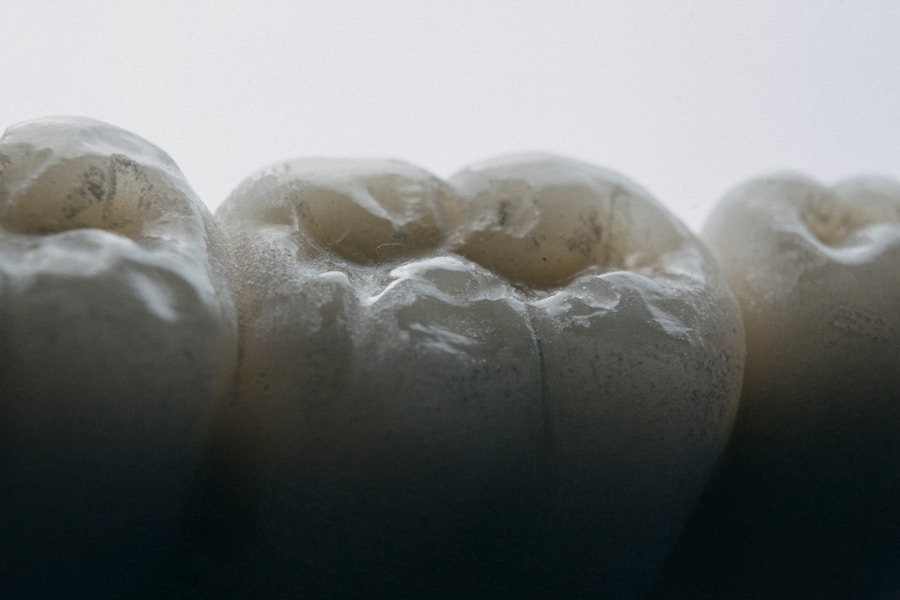
The dental crown is the artificial tooth that sits on top of the abutment, restoring the appearance and function of the missing tooth. The material of the crown is a primary cost driver. Traditional metal crowns are often the most affordable, while porcelain-fused-to-metal (PFM) crowns offer a better aesthetic but at a higher price. All-ceramic or zirconia crowns provide the most natural look and durability but are also the most expensive. The complexity of fabricating the crown, such as the need for intricate shading to match your natural teeth, can also increase the cost.
Diagnostic and Planning Fees
Before any surgical procedures begin, thorough diagnostic steps are crucial. This typically includes dental X-rays, CT scans, and a comprehensive examination by your dentist. These diagnostic tools help assess your bone density, nerve pathways, and overall oral health, enabling the dentist to create a precise treatment plan. The fees associated with these initial consultations and imaging are a necessary part of the overall cost.
Preparation Procedures (Bone Grafting, Sinus Lifts)
In cases where the jawbone is insufficient to support an implant, preparatory procedures such as bone grafting or sinus lifts may be necessary. Bone grafting involves adding bone material to augment the jawbone, while a sinus lift raises the sinus cavity to create space for bone. These procedures add complexity and cost to the overall treatment. The amount of bone needed, the type of grafting material used, and the expertise of the surgeon all contribute to the price of these preparatory steps.
Exploring Affordable Dental Implant Options
The pursuit of a healthy and aesthetically pleasing smile doesn’t have to come with an insurmountable price tag. Several avenues exist to make dental implant treatment more financially manageable. Investigating these options can lead to significant savings without compromising on the quality of care.
Dental Tourism for Cost Savings
Venturing abroad for dental procedures, a practice often referred to as dental tourism, can present substantial cost reductions. However, this approach warrants careful consideration and thorough research.
International Dental Clinics and Training
Some countries have developed robust dental tourism industries, offering high-quality care from experienced professionals at a lower price point than many Western countries. Clinics in these locations often invest in advanced technology and employ dentists who have trained internationally. The lower overhead costs in some of these regions allow for reduced prices on procedures. It is essential to research the qualifications and experience of the dentists, the accreditation of the clinics, and read patient testimonials before making a decision.
Travel and Accommodation Expenses
When considering dental tourism, it’s vital to factor in the total cost of the trip. This includes airfare, accommodation, and any necessary local transportation. While the savings on the dental procedure itself can be significant, these additional expenses can offset some of the apparent discounts. Plan for potential recovery time and any follow-up appointments that may require extended stays or additional travel.
Communication and Follow-Up Care
Effective communication is paramount when seeking treatment internationally. Ensure the dental clinic staff are proficient in your language or that reliable translation services are available. Furthermore, consider how follow-up care will be managed. Establishing a plan for post-operative check-ups, especially if complications arise, is crucial for ensuring the long-term success of your dental implants. Consulting with your local dentist about the treatment plan and potential follow-up before you travel is also a prudent step.
Reduced-Cost Dental Schools and Clinics
Dental schools and certain community health clinics can offer lower-cost dental implants as part of their training programs or outreach initiatives. These options can provide a more accessible pathway to treatment for individuals on a budget.
Supervised Student Treatment
Dental schools offer a unique opportunity for patients seeking more affordable care. Advanced dental students, under the direct supervision of experienced faculty, perform procedures. While the treatment may take longer due to the learning process, the quality of care is generally high, and the cost savings can be substantial. Patients opting for this route should understand that patience is often required, and the overall treatment timeline may be extended.
Community Dental Health Centers
Many communities have dental health centers that aim to provide affordable oral healthcare to underserved populations. These centers may offer dental implants at reduced rates, often on a sliding scale based on income. It’s advisable to research local options and inquire about their specific services and eligibility criteria. These centers can be a valuable resource for individuals facing financial constraints.
Exploring Alternative Implant Materials and Techniques
The choice of materials and techniques can also influence the final cost. Some options might be more budget-friendly without significantly compromising on quality or longevity.
Shorter Treatment Timelines and Fewer Appointments
Some implant techniques aim to reduce the number of appointments and the overall treatment duration. For instance, immediate load implants, where a temporary or even permanent crown is placed on the implant on the same day as surgery, can be appealing. However, these techniques often require specific bone conditions and may not be suitable for everyone. Discuss with your dentist whether a streamlined approach is feasible for your situation, as fewer appointments can lead to lower overall costs related to travel and time off work.
Consider All-Ceramic vs. Zirconia Crowns
While all-ceramic and zirconia crowns offer excellent aesthetics, they are typically the most expensive. If budget is a primary concern, discuss the possibility of using high-quality porcelain-fused-to-metal (PFM) crowns. While not as aesthetically flawless as their all-ceramic counterparts, PFM crowns can offer a good balance of appearance and affordability, especially for back teeth where the aesthetic demands might be less critical. However, it’s important to ensure that any PFM crowns used are from reputable manufacturers to avoid potential issues like graying at the gum line.
Financial Strategies for Dental Implants
Beyond exploring different treatment providers, financial planning and leveraging available resources are key to making dental implants affordable. This section delves into practical strategies for managing the cost.
Insurance and Financing Options
Navigating dental insurance and exploring financing options can significantly lower your out-of-pocket expenses. Understanding what your insurance covers and the available payment plans is a crucial first step.
Understanding Your Dental Insurance Coverage
While major medical insurance typically doesn’t cover elective dental procedures like implants, some dental insurance plans offer partial coverage. It is imperative to thoroughly review your policy or contact your insurance provider to understand the extent of your coverage. Specifically, inquire about benefits for implants, abutments, crowns, and any associated surgical procedures. Deductibles, annual maximums, and waiting periods are all critical factors to consider. Sometimes, dental insurance might only cover a portion of the implant itself, leaving the crown and abutment to be paid out-of-pocket.
Dental Payment Plans and Financing
Many dental practices offer in-house payment plans or partner with third-party financing companies. These options allow you to spread the cost of treatment over several months or even years, making it more manageable.
In-House Financing through Dental Practices
Some dental offices provide their own financing options, often with interest-free periods if paid within a specific timeframe. These plans are usually managed directly by the dental practice. It is essential to carefully read the terms and conditions, including any interest rates that may apply after the promotional period, late fees, and the total repayment amount.
Third-Party Dental Lenders
Several companies specialize in providing loans for dental procedures. These lenders can offer flexible repayment terms and competitive interest rates. Examples include CareCredit, LendingClub, and Scratchpay. Applying for these loans is typically a straightforward process that can be done online. Before committing, compare interest rates, repayment schedules, and any associated fees to ensure you secure the most favorable terms for your financial situation.
Medical Savings Accounts (MSAs) and Flexible Spending Accounts (FSAs)
If your employer offers a Medical Savings Account (MSA) or a Flexible Spending Account (FSA), these pre-tax dollars can be used to pay for qualified medical and dental expenses, including dental implants. Contributions to these accounts are often tax-deductible, meaning you can save money on your overall tax bill. It’s vital to check the specific rules and regulations of your MSA or FSA, as some have restrictions on what can be reimbursed. You will also need to be aware of annual contribution limits and deadlines for spending the funds.
Negotiating Fees and Package Deals
Don’t hesitate to discuss pricing with your dentist and inquire about potential savings. Sometimes, a little negotiation can go a long way.
Discussing Fees with Your Dentist
It is always appropriate to ask for a detailed breakdown of the costs involved in your dental implant treatment. Understand what each component of the fee covers. If you have concerns about the overall cost, discuss them openly with your dentist. They may be able to suggest alternative materials or treatment sequencing that could reduce the price without compromising the standard of care. Some dentists may also be willing to negotiate fees, especially if you are a new patient or if you are considering multiple implants.
Package Deals for Multiple Implants
If you require more than one dental implant, inquire about package deals or discounts for multiple procedures. Dental practices may offer reduced pricing when several implants are placed in a single treatment plan, as this can streamline the surgical process and reduce administrative overhead. This is a prime opportunity to leverage volume for cost savings.
Maximizing the Longevity and Value of Your Dental Implants
The investment in dental implants extends beyond the initial procedure; ensuring their longevity is key to maximizing their value. Proper care and maintenance are not merely suggestions but foundational elements for a durable and successful outcome.
Maintaining Excellent Oral Hygiene
The most crucial factor in the long-term success of dental implants is meticulous oral hygiene. Just as you would care for your natural teeth, implants require consistent and thorough attention.
Brushing and Flossing Techniques
Daily brushing with a soft-bristled toothbrush and non-abrasive toothpaste is essential to remove plaque and food particles around the implant and crown. Pay special attention to the gum line where the implant meets the abutment. Flossing is equally important. Specialized dental floss, interdental brushes, or floss threaders can be particularly effective for cleaning around the implant and beneath the bridge or crown. Your dentist or hygienist can demonstrate the most effective techniques for your specific situation.
Using Specialized Oral Hygiene Tools
Beyond regular brushing and flossing, your dentist may recommend specific oral hygiene tools. These can include antimicrobial mouth rinses, powered toothbrushes with specialized heads designed for implants, or interdental brushes of varying sizes. These tools help ensure that all areas are thoroughly cleaned, preventing the buildup of bacteria that can lead to peri-implantitis, an inflammation around the implant.
Regular Dental Check-ups and Professional Cleanings
Consistent professional dental care is a cornerstone of implant longevity. These visits go beyond routine maintenance; they are proactive measures against potential issues.
Early Detection of Issues
Regular check-ups allow your dentist to monitor the condition of your implants, surrounding bone, and gum tissue. Early detection of any signs of inflammation, bone loss, or implant instability is critical for timely intervention. Issues that are caught in their nascent stages are generally easier and less expensive to treat than those that have progressed. This proactive approach helps prevent complications that could compromise the implant.
Professional Cleaning and Maintenance
During your check-up, a dental hygienist will perform a professional cleaning to remove any plaque or tartar buildup that you may have missed with at-home care. They will also examine the implant and surrounding tissues for any signs of infection or inflammation. Your dentist will assess the stability of the implant and the fit of the crown, making any necessary adjustments. These professional cleanings are vital for maintaining a healthy environment around the implant, which is essential for its long-term success.
Lifestyle Choices for Implant Health
Certain lifestyle habits can significantly influence the health and lifespan of your dental implants. Making informed choices can help preserve your investment and your smile.
Avoiding Habits That Threaten Implants
Smoking is a significant risk factor for implant failure. It impairs blood flow to the gums and bone, hindering healing and increasing the likelihood of infection. Reducing or eliminating smoking is strongly recommended for anyone with dental implants. Excessive alcohol consumption can also negatively impact oral health and healing. Chewing on hard objects like ice or pen caps can place undue stress on the implants and crowns, potentially leading to damage.
The Role of a Balanced Diet
A balanced and nutritious diet plays a vital role in overall health, including oral health. Consuming foods rich in vitamins and minerals, particularly calcium and vitamin D, supports bone health, which is crucial for the stability of your dental implants. Limiting sugary foods and drinks helps prevent tooth decay and gum disease in your remaining natural teeth, and also contributes to a healthier oral environment for your implants.
Researching and Choosing the Right Dentist
The success of your dental implant journey hinges significantly on the expertise and approach of your chosen dental professional. Selecting the right dentist is like laying a solid foundation for a sturdy structure.
Credentials and Experience Matter
When considering dental implant surgery, it’s essential to look beyond just the price tag and focus on the qualifications and experience of the dental professional.
Specialist vs. General Dentist
While many general dentists perform implant procedures, some specialize in oral surgery or periodontics, fields that involve extensive training in implantology. Specialists often have a deeper understanding of complex cases and can handle intricate surgical challenges. Inquire about their specific training in implant dentistry, the number of implant procedures they have performed, and their success rates. Don’t hesitate to ask for references or patient testimonials.
Continuing Education and Training
The field of dentistry is constantly evolving, with new techniques and technologies emerging regularly. A dentist who is committed to continuing education demonstrates a dedication to staying abreast of the latest advancements in implantology. Look for dentists who regularly attend workshops, seminars, and conferences related to dental implants. This commitment ensures that you are receiving treatment based on current best practices and the most effective methods available.
Understanding the Treatment Plan and Technology
A clear and comprehensive treatment plan, coupled with the use of modern technology, can contribute to a more predictable and successful outcome.
The Importance of Personalized Treatment Plans
Every patient’s oral anatomy and needs are unique. A thorough treatment plan should be tailored specifically to your individual situation. This typically involves a comprehensive examination, including detailed imaging such as 3D Cone Beam Computed Tomography (CBCT) scans, which provide a precise view of your jawbone and surrounding structures. Discuss the proposed treatment plan in detail with your dentist. Ensure you understand the rationale behind their recommendations, the expected timeline, and any potential risks or complications.
Utilizing Advanced Technology
Modern dental technology plays a crucial role in improving the accuracy and efficiency of dental implant procedures. Digital imaging, such as CBCT scans, allows for meticulous pre-surgical planning and the placement of implants with greater precision. Some dentists also utilize guided surgery techniques, where a custom surgical guide fabricated from 3D scans helps ensure the implant is placed at the optimal angle and depth. Inquire about the technologies your dentist uses and how they contribute to a successful outcome.
Addressing Common Concerns and Myths
Debunking common misconceptions and addressing frequent concerns can provide clarity and confidence when considering dental implants. This section aims to demystify the process.
Pain and Discomfort Management
A primary concern for many individuals considering dental implants is the potential for pain and discomfort during and after the procedure. Understanding how this is managed can alleviate anxiety.
Anesthesia and Sedation Options
Dental implant surgery is typically performed under local anesthesia, which numbs the surgical area, ensuring that you do not feel pain during the procedure. For patients who experience significant dental anxiety, or for more complex procedures, sedation options may be available. These can range from “laughing gas” (nitrous oxide) to oral sedatives or even intravenous (IV) sedation, depending on the patient’s needs and the dentist’s practice. Your dentist will discuss the most appropriate anesthesia and sedation options for your comfort and safety.
Post-Operative Pain Management
Following the surgery, some discomfort is normal as the anesthesia wears off. Dentists typically prescribe pain medication to manage any post-operative pain. Over-the-counter pain relievers may also be sufficient for some individuals. Following your dentist’s post-operative instructions, which may include applying ice packs to the surgical area and avoiding strenuous activity, can significantly help in managing discomfort and promoting healing. Most patients find that post-operative pain is manageable with prescribed medication and proper care.
The Success Rate and Durability of Implants
Dental implants are renowned for their high success rates and long-term durability when properly placed and maintained.
Understanding Success Rates
Dental implants have a very high success rate, often exceeding 95% when placed by experienced professionals in healthy patients. This success is attributed to the biocompatibility of titanium with bone, allowing for osseointegration – the process where the implant fuses directly with the jawbone. Factors such as the patient’s overall health, oral hygiene practices, and the skill of the implantologist can influence the success rate.
Longevity and Lifespan
With proper care and maintenance, dental implants can last a lifetime. They are designed to be a permanent solution for tooth loss. However, like any medical device, factors such as poor oral hygiene, smoking, certain medical conditions (like uncontrolled diabetes), and excessive force can potentially compromise their longevity. Regular dental check-ups and diligent at-home care are the most critical elements in ensuring your implants remain strong and functional for years to come. The artificial crown may eventually need replacement due to wear and tear, but the implant fixture itself is generally a lifelong solution.