The prospect of a root canal treatment can be a source of anxiety for many individuals, often associated with discomfort, cost, and a perceived finality regarding natural tooth preservation. While modern endodontic procedures are generally safe and effective, the underlying idea of undergoing such a treatment suggests a problem that has progressed significantly. The goal of preventative and early-intervention strategies is to sidestep the need for a root canal altogether, preserving the tooth’s vitality and saving resources. This article explores budget-friendly solutions that a person can implement to proactively avoid traditional root canal treatment.
Creating a robust defense against dental issues that could necessitate a root canal begins with a foundational understanding of oral hygiene and regular professional check-ups. These are not merely suggestions but essential pillars in the architecture of long-term dental health. Failing to address minor issues can lead to them becoming major problems, like a small crack in a dam that, if ignored, can lead to catastrophic failure.
The Foundation: Proactive Oral Hygiene as a Guardhouse
The most potent weapon in your arsenal against the need for a root canal is not a complex procedure or expensive product, but rather diligence in daily oral care. This consistent effort acts as a vigilant guardhouse, preventing unwelcome intrusions of bacteria and the onset of decay that can eventually engulf the tooth’s nerve.
Diligent Brushing: The Daily Sentry
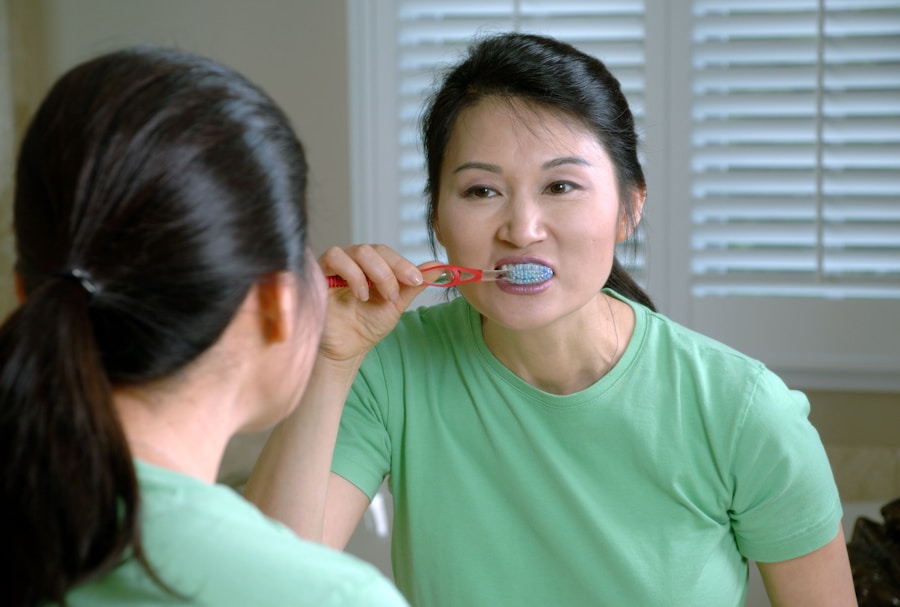
Brushing your teeth at least twice a day for two minutes each session is a non-negotiable baseline. This mechanical action dislodges food particles and plaque, the sticky film teeming with bacteria that is the primary culprit behind tooth decay and gum disease. Using a fluoride toothpaste is crucial. Fluoride acts as a mineralizing agent, strengthening tooth enamel and making it more resistant to acid attacks from oral bacteria. Think of fluoride as reinforcing the walls of your guardhouse, making them tougher.
Strategic Flossing: Accessing the Inner Walls
Brushing alone cannot reach the tight spaces between teeth and along the gumline. Flossing daily is essential to remove plaque and food debris from these areas. This is akin to checking the hidden passages and battlements of your guardhouse; neglecting them allows enemies to infiltrate unseen. Improper flossing technique, however, can do more harm than good. Gentle, C-shaped strokes around each tooth, sliding the floss between the tooth and gum, are recommended.
The Role of Mouthwash: An Additional Palpatisade
While not a substitute for brushing and flossing, an antimicrobial mouthwash can provide an additional layer of defense. It helps reduce the overall bacterial load in the mouth. Look for mouthwashes containing ingredients like chlorhexidine (for short-term, prescription use due to staining potential) or essential oils, which have demonstrated antibacterial properties. This is like adding an extra palisade around your guardhouse, making it even more difficult for invaders to breach.
Early Detection: The Watchtower for Impending Trouble
Ignoring subtle signs of dental distress is like ignoring smoke signals from a distant watchtower. Early detection allows for intervention before a minor issue escalates into a full-blown crisis that might necessitate a root canal. Regular dental check-ups are your personal watchtower, staffed by professionals who can spot potential problems long before you notice them.
The Rhythmic Routine: Bi-Annual Dental Examinations
Visiting your dentist for a check-up and cleaning at least every six months is a cornerstone of preventative dental care. Dentists have the tools and expertise to identify early signs of decay, gum disease, and other issues that could eventually lead to a root canal. This is the time for thorough inspections, identifying any chinks in the armor of your teeth. Cleanings remove hardened plaque (calculus) that can’t be brushed away, further fortifying your defenses.
The Diagnostic Gaze: X-rays and Their Importance
Dental X-rays are crucial diagnostic tools. They allow dentists to see what’s happening beneath the surface of your teeth and gums, revealing decay that might not be visible to the naked eye, bone loss associated with gum disease, or even problems with existing fillings or crowns. Consider X-rays as aerial reconnaissance for your dental fort, providing a comprehensive view of the terrain and any hidden threats.
Recognizing Subtle Signals: Listening to Your Teeth’s Whisper
Don’t dismiss minor twinges or sensitivities. A tooth that occasionally tingles when exposed to cold or hot, or a subtle ache that comes and goes, could be an early warning sign that the dentin layer of your tooth is becoming exposed or that a small cavity is forming. Ignoring these whispers is like dismissing the faint sound of footsteps approaching the fort; they might be nothing, or they might be the vanguard of a serious threat. Promptly reporting these sensations to your dentist is vital.
Dietary Discipline: Fortifying Your Oral Defenses from Within
What you consume has a direct impact on the health of your teeth. A diet rich in nutrients that support oral health and limited in substances that promote decay acts as a vital supply line, ensuring your defenses remain strong and resilient.
The Sugar Scourge: Limiting Cariogenic Foods and Drinks
Sugary foods and drinks are the primary fuel for the bacteria that produce acid, which erodes tooth enamel. Limiting your intake of sodas, candies, pastries, and even fruit juices (which can be surprisingly high in sugar) is a critical step. When you do consume them, try to do so during meal times rather than snacking throughout the day, as this limits the duration of acid exposure. Think of sugar as a corrosive agent that weakens the walls of your fort.
The Acidic Assault: Beware of Acidic Foods and Beverages
Beyond sugar, acidic foods and drinks can directly erode tooth enamel. This includes citrus fruits, vinegars, and sports drinks. While these foods can be part of a healthy diet, moderation is key. Rinsing your mouth with water after consuming acidic items can help neutralize the acids. This is like washing down corrosive spills, minimizing the damage.
The Nutrient Nexus: Embracing Tooth-Strengthening Foods
Certain nutrients play a vital role in maintaining strong enamel and healthy gums. Calcium and phosphorus, found in dairy products, leafy greens, and nuts, are essential for building and repairing tooth structure. Vitamin D, which aids in calcium absorption, is found in fatty fish, fortified foods, and can be obtained through sensible sun exposure. Crunchy fruits and vegetables, like apples and carrots, can also help clean teeth mechanically. This is about ensuring your internal defenses are well-supplied and robust.
Addressing Minor Issues Promptly: Patching the Cracks Before They Widen
The principle here is simple: address minor problems before they metastasize into major ones. A small cavity, if left untreated, can deepen, reaching the pulp of the tooth and leading to infection and the need for a root canal. This is about applying timely patches and reinforcements to any developing weaknesses.
Filling Cavities: Sealing the Breaches
If a cavity is detected during a dental examination, getting it filled promptly is crucial. Dental fillings are inexpensive and effective in restoring the tooth’s structure and preventing further decay. This is a direct and cost-effective way to seal a breach in your defenses before it becomes a point of entry for more serious problems.
Gum Disease Management: Protecting the Foundations
Gum disease, if left unchecked, can lead to bone loss around the teeth, making them more susceptible to infection and eventual extraction. Regular cleanings and treatment of early-stage gum disease (gingivitis) can prevent it from progressing to more severe forms (periodontitis). This is about reinforcing the foundations of your dental structure.
Sensitivity Treatments: Repairing Exposed Dentin
If you experience tooth sensitivity, it might indicate exposed dentin due to enamel erosion or gum recession. Your dentist can recommend various treatments, such as desensitizing toothpaste or fluoride varnishes, to help seal the tubules in the dentin and reduce sensitivity. This is like repairing minor cracks in the outer walls of your fort.
Emerging Technologies and Alternatives: Exploring Modern Fortifications
While prevention and early intervention are paramount, advancements in dental technology are also offering less invasive and potentially more budget-friendly options than traditional root canal treatments in certain situations.
The Precision of Air Abrasion: A Gentle Approach to Decay Removal
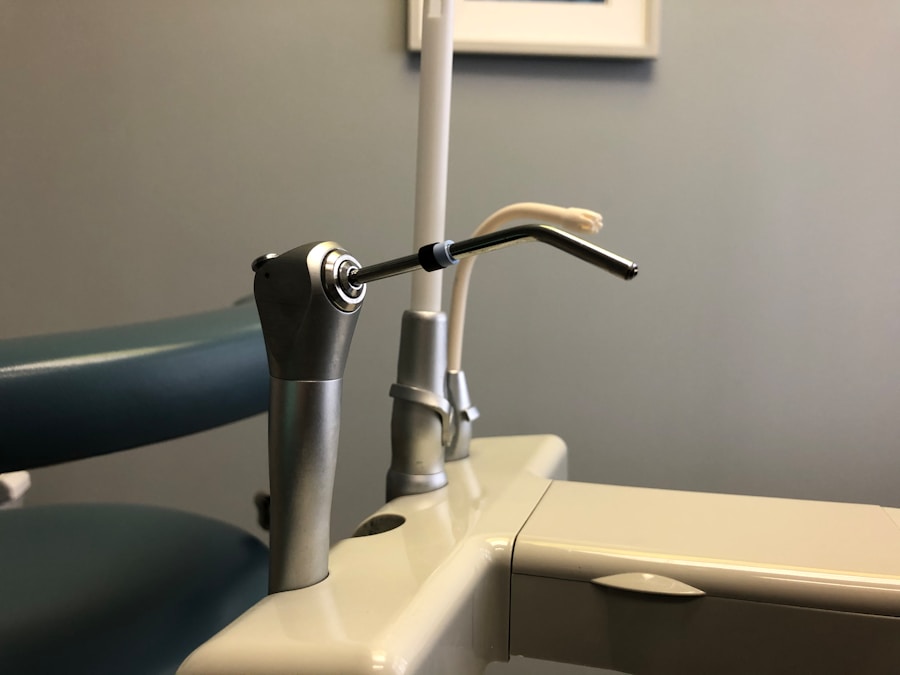
Air abrasion is a dental technique that uses a fine spray of air and abrasive particles to remove tooth decay. It is a less invasive and often more comfortable alternative to traditional dental drills for small to moderate cavities. It can preserve more healthy tooth structure, which can be beneficial in the long term. This is like employing a more precise and less disruptive method of repairing minor damage.
Laser Dentistry: A Modern Tool in the Arsenal
Lasers can be used in various dental procedures, including cavity preparation and soft tissue management. In some cases, lasers can offer a less painful and more precise way to remove decayed tissue, potentially leading to quicker healing times and reduced need for anesthesia. This is like introducing a more sophisticated and efficient tool for addressing certain threats.
Ozone Therapy: A Controversial but Investigated Option
Ozone therapy is an emerging dental treatment that utilizes ozone gas to disinfect and promote healing. While research is ongoing and it’s not yet a mainstream treatment, some dentists explore its use in treating early-stage decay and infections as a conservative alternative. Its effectiveness and long-term impact are still subjects of scientific inquiry, making it a frontier rather than a well-established strategy. This is akin to exploring unconventional but potentially promising defensive tactics.
The path to avoiding a traditional root canal treatment is paved with consistent, conscious effort. By embracing a diligent oral hygiene routine, valuing early detection through regular dental visits, making informed dietary choices, addressing minor dental issues promptly, and being open to exploring modern, conservative alternatives when appropriate, individuals can significantly safeguard their natural teeth and their wallets. This proactive approach transforms dental care from a reactive battle to a sustained campaign of defense, ensuring the longevity and health of your smile.