The “all-on-4” dental implant system is a prosthetic solution designed to rehabilitate an edentulous (toothless) arch by implanting four dental implants strategically placed in the jawbone. These four implants serve as anchors for a fixed prosthesis, such as a bridge or denture, providing a stable foundation for the replacement teeth. This treatment concept, developed by Dr. Paulo Maló in collaboration with Nobel Biocare, offers an alternative to traditional implant placements, which often require a greater number of implants and more extensive bone grafting procedures. The methodology aims to streamline the restoration process, reducing treatment time and cost while maintaining functional and aesthetic outcomes.
Evolution of Dental Implant Technology
The journey of dental implants from rudimentary concepts to sophisticated systems like all-on-4 is a testament to ongoing research and technological advancements in dentistry. Early attempts at tooth replacement involved various materials and techniques, often with limited success and considerable patient discomfort. The discovery of osseointegration by Dr. Per-Ingvar Brånemark in the 1960s revolutionized the field. Osseointegration, the direct structural and functional connection between living bone and the surface of a load-bearing artificial implant, provided the biological basis for modern dental implants. This breakthrough allowed for the development of titanium implants that could fuse with the jawbone, creating a stable and lasting foundation for prosthetic teeth.
Initially, implant placement typically involved a multi-stage process with extended healing periods and the requirement for robust bone volume. The all-on-4 concept emerged as a solution to address challenges associated with significant bone loss in the posterior maxilla (upper jaw) and mandible (lower jaw), particularly avoiding anatomical structures such as the maxillary sinuses and the inferior alveolar nerve canal. By tilting the posterior implants, the system leverages existing bone and minimizes the need for complex bone grafts, thus expanding the eligibility criteria for implant-supported restorations.
Understanding the All-on-4 Concept
At its core, the all-on-4 concept relies on a biomechanical principle of strategic implant angulation to maximize contact with available bone. Instead of placing implants perpendicularly throughout the arch, the two posterior implants are angled up to 45 degrees, typically distal (towards the back) of the mental foramina in the mandible or the anterior wall of the maxillary sinus in the maxilla. This angulation achieves several key objectives.
Biomechanical Advantages of Angled Implants
The angulation of the posterior implants offers distinct biomechanical advantages. Firstly, it allows for the placement of longer implants within the existing bone, increasing the surface area for osseointegration. This greater implant-bone contact contributes to enhanced primary stability, a critical factor for successful immediate loading protocols. Secondly, by positioning implants anterior to vital anatomical structures, the need for extensive bone grafting or sinus lifts is often circumvented. This reduces the complexity, cost, and morbidity associated with traditional grafting procedures. Thirdly, the strategic angulation distributes occlusal (biting) forces more effectively across the anterior region of the jawbone, which typically has denser and more resilient bone quality. This force distribution is analogous to how a tripod distributes weight more effectively than a single post.
Components of the All-on-4 System
The all-on-4 system generally comprises several key components:
- Dental Implants: Typically made of titanium or titanium alloy, these are screw-shaped devices surgically placed into the jawbone. Their surface can be treated (e.g., sandblasted, acid-etched) to enhance osseointegration.
- Abutments: These are connectors that attach to the implants and extend above the gum line. Specific multi-unit abutments are often used in all-on-4 to correct the angulation of the implants and provide a platform for the prosthesis.
- Prosthesis (Bridge/Denture): This is the fixed dental appliance that replaces the missing teeth. It can be fabricated from various materials including acrylic, porcelain fused to metal, or zirconia, offering diverse aesthetic and functional properties.
The Candidacy and Treatment Process
Determining candidacy for all-on-4 involves a comprehensive evaluation of oral health and general medical history. While the system is designed to accommodate various levels of bone loss, certain conditions may affect its suitability. The treatment process itself generally follows a structured sequence.
Assessment and Planning
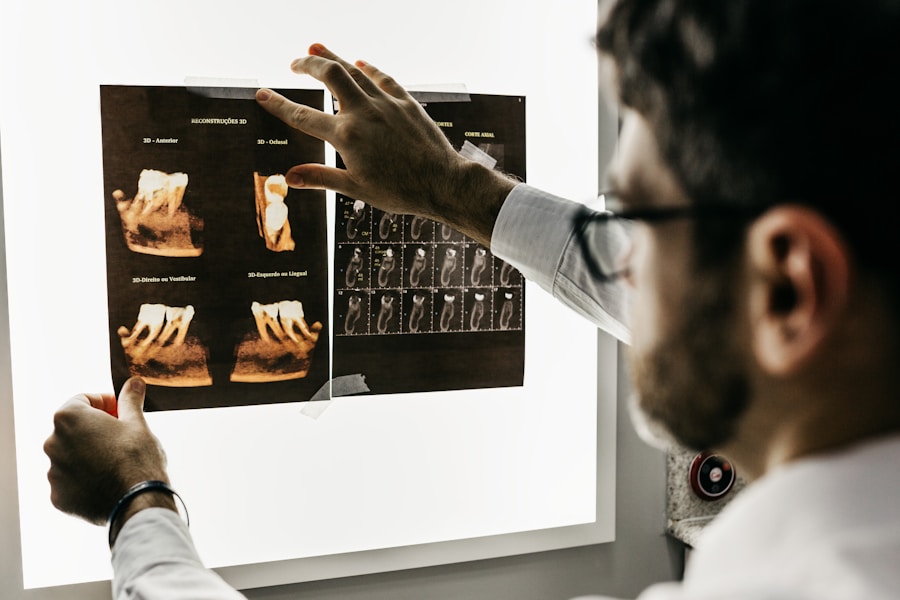
The initial phase involves a thorough examination, including a medical history review, dental history, and a detailed oral assessment. Diagnostic imaging, such as panoramic radiographs and cone-beam computed tomography (CBCT) scans, is crucial for evaluating bone quantity and quality, identifying anatomical landmarks (e.g., nerves, sinuses), and planning implant placement. Virtual surgical planning software is often utilized to simulate implant placement and design a precise surgical guide. This digital blueprint helps ensure accuracy during the surgical phase, akin to an architect’s detailed plans guiding construction.
Surgical Placement of Implants
The surgical procedure involves the precise placement of the four dental implants into the jawbone. Local anesthesia is typically administered, and sedation options may be available for patient comfort. During the surgery, any remaining non-restorable teeth in the arch are extracted, and any necessary bone contouring is performed to create an even foundation. The surgeon then drills pilot holes, followed by progressively wider drills, before inserting the titanium implants into the predetermined positions. The characteristic angulation of the posterior implants is established at this stage.
Prosthesis Fabrication and Loading
Following implant placement, a temporary or immediate prosthesis can often be attached. This allows the patient to leave the same day with a complete set of provisional teeth, restoring function and aesthetics immediately. This immediate loading protocol is a hallmark of the all-on-4 concept and provides significant psychological and functional benefits. The temporary prosthesis is typically acrylic and designed to be lighter and exert less stress on the healing implants. After a period of osseointegration, typically 3 to 6 months, a definitive, custom-fabricated prosthesis is created. This final prosthesis is often made of more durable materials and is designed for long-term function and aesthetics.
Benefits and Potential Concerns
The all-on-4 system offers a range of benefits for individuals seeking full arch tooth replacement, but like any medical procedure, it also carries potential concerns that warrant consideration.
Advantages of All-on-4
One of the primary advantages is the reduced treatment time. The ability to place implants and often attach a provisional prosthesis in a single visit significantly shortens the overall treatment duration compared to traditional implant protocols that may involve multiple surgeries and extended healing periods. This directness can be a welcome relief for patients who have endured prolonged dental issues, offering a pathway similar to a direct flight instead of multiple layovers.
Another significant benefit is the minimization or elimination of bone grafting. By strategically angling the implants to engage existing denser bone, the need for complex and often costly bone augmentation procedures is frequently avoided. This expands the candidacy for individuals who might otherwise be deemed unsuitable for traditional implants due to bone deficiency.
The cost-effectiveness of all-on-4 can also be a key advantage. While the initial investment may appear substantial, the reduction in surgical appointments, material costs associated with fewer implants, and the avoidance of extensive grafting procedures can result in a more economical solution compared to placing a greater number of individual implants.
Furthermore, the improved stability and chewing function offered by implant-supported prostheses are substantial. Unlike removable dentures, which can shift and rub, the fixed all-on-4 bridge provides a secure and comfortable bite, allowing patients to eat a wider variety of foods with confidence. This stability restores a sense of normalcy and contributes significantly to quality of life. The fixed nature of the prosthesis also eliminates concerns about slippage and adhesive use, often associated with traditional dentures.
Finally, the enhanced aesthetics and self-esteem derived from a full set of natural-looking teeth are profound. The restoration of a complete and attractive smile can have a significant positive impact on an individual’s confidence and social interactions.
Potential Concerns and Considerations
Despite its benefits, all-on-4 is not without potential concerns. Surgical risks are inherent in any invasive procedure and can include infection, nerve damage (though rare with careful planning), and implant failure. While the success rate of dental implants is high, factors like smoking, uncontrolled diabetes, and poor oral hygiene can increase the risk of complications.
The maintenance and hygiene of all-on-4 prostheses require diligent attention. Although fixed, the prosthesis still needs regular cleaning, similar to natural teeth, to prevent peri-implantitis (inflammation around the implant). Special cleaning tools may be necessary. Neglecting oral hygiene can compromise the longevity of the implants and the surrounding tissues.
Cost can still be a barrier for some individuals, even with the relative cost-effectiveness compared to other implant options. Insurance coverage for dental implants varies, and patients often bear a significant portion of the expense.
Finally, while the system is designed to be highly stable, implant failure can occur. This might necessitate removal of the failed implant, further bone grafting, and re-implantation, adding to treatment time and cost. The long-term success of all-on-4 relies on patient compliance with oral hygiene instructions and regular dental check-ups.
Living with All-on-4: Maintenance and Longevity
The success and longevity of your all-on-4 dental implants are significantly influenced by how well you care for them. Think of your implants as the foundation of a house – regular maintenance ensures its enduring stability.
Oral Hygiene Practices
Maintaining meticulous oral hygiene is paramount for the long-term health of your all-on-4 prosthesis and the surrounding tissues. While the implants themselves cannot decay, the gums and bone supporting them are susceptible to disease. Brushing twice daily with a soft-bristled toothbrush and non-abrasive toothpaste is essential to remove plaque and food debris. Additionally, specific oral hygiene tools are often recommended for cleaning around and under the fixed bridge. These may include interdental brushes, water flossers (oral irrigators), and specialized floss threaders designed to navigate the spaces between the prosthesis and the gums. Regular use of an antimicrobial mouthrinse, if recommended by your dentist, can further reduce bacterial load. It is crucial to clean both the visible surfaces of the prosthesis and the areas where it meets the gum tissue, as food particles and bacteria can accumulate there, leading to inflammation and potential peri-implantitis.
Regular Dental Check-ups
Scheduled dental check-ups are as important for your all-on-4 as they are for natural teeth, if not more so. These appointments, typically every six months, allow your dental professional to monitor the health of your implants, gums, and surrounding bone. During these visits, the dentist or hygienist will perform a thorough cleaning, removing any plaque or calculus that brushing alone might miss. They will also inspect the prosthesis for any signs of wear, damage, or loose components. Radiographs may be taken periodically to assess bone levels around the implants. Early detection and intervention for any potential issues, such as peri-implant mucositis (inflammation of the gums around an implant) or peri-implantitis (more advanced inflammation affecting bone), are crucial for preventing complications and ensuring the longevity of your investment. Adherence to a recall schedule is not merely a recommendation; it is a critical component of successful long-term implant care.
Dietary Considerations
While one of the primary benefits of all-on-4 is the ability to eat a wider variety of foods, some dietary considerations are still advisable, especially during the initial healing phase and for long-term maintenance. Immediately after implant placement and provisional prosthesis attachment, a soft diet is typically recommended to avoid putting excessive force on the healing implants. This period focuses on allowing osseointegration to proceed undisturbed. Once the definitive prosthesis is in place and osseointegration is complete, you can progressively reintroduce firmer foods. However, it is generally wise to exercise caution with extremely hard or sticky foods, such as hard candies, nuts, or caramels, as these can potentially damage the prosthesis or put undue stress on the implants. While a fixed prosthesis is robust, it is not impervious to excessive forces. A balanced diet, devoid of excessive trauma from inappropriate food choices, contributes to the overall health and longevity of your all-on-4 restoration.
Comparison to Other Tooth Replacement Options
Understanding where all-on-4 stands relative to other tooth replacement methods can help in making an informed decision. Each option presents a unique set of trade-offs regarding cost, invasiveness, stability, and aesthetics.
Traditional Dentures (Removable)
Traditional dentures are the most cost-effective and least invasive option for replacing an entire arch of teeth. They consist of a plate with artificial teeth that rests on the gums and is held in place by suction or sometimes with adhesives. However, dentures can be unstable, prone to slipping, and may cause discomfort or sores due to movement. They also can limit food choices, as chewing efficiency is significantly reduced compared to natural teeth or implants. Furthermore, traditional dentures do little to prevent bone resorption (shrinkage of the jawbone) over time, leading to changes in facial structure and the need for periodic relining or replacement. Think of them as a hat that merely sits on your head, whereas implants are like roots firmly anchored.
Traditional Dental Implants (Multiple Implants)
Traditional dental implants involve placing six to eight or more individual implants per arch. Each implant mimics a natural tooth root, and crowns or bridges are then attached to them. This option offers excellent stability, chewing function, and aesthetics. It also helps preserve bone density, preventing jawbone shrinkage. However, traditional implant placement often requires more bone volume, making it unsuitable for individuals with significant bone loss without prior extensive bone grafting procedures, which increase treatment time, cost, and surgical risk. The higher number of implants also generally leads to a greater overall expense and longer healing periods.
Implant-Supported Overdentures
Implant-supported overdentures offer a middle ground between traditional dentures and fixed all-on-4 prostheses. Typically, two to four implants are placed, and the denture clips onto these implants, providing significantly more stability than traditional dentures without being fully fixed. Overdentures are still removable for cleaning, offering improved chewing function and retention compared to conventional dentures. They are more affordable than fixed options like all-on-4 and require fewer implants, thus less extensive surgery. However, they are still removable and do not offer the same level of stability, chewing efficiency, or “fixed” feeling as a full all-on-4 bridge. They are like a secured blanket that can still be removed, unlike a permanent fixture.
All-on-4 thus positions itself as a comprehensive, fixed solution that optimizes the number of implants and avoids extensive grafting, striking a balance between the costs and complexities of traditional multi-implant procedures and the limitations of removable options. Its immediate loading capability further sets it apart, offering a quicker return to full oral function and aesthetics.