Gingivitis is a common and mild form of periodontal disease. It presents as inflammation of the gums, the soft tissue surrounding the teeth. If left untreated, gingivitis can progress to periodontitis, a more severe condition that can lead to tooth loss. This article outlines the characteristics of gingivitis, its causes, diagnosis, and management strategies.
Understanding Gingivitis
Gingivitis is a non-destructive periodontal disease that affects the soft tissues surrounding the teeth. Unlike periodontitis, it does not involve loss of alveolar bone, the bone that supports the teeth. It is reversible with appropriate treatment.
The Role of Plaque
The primary cause of gingivitis is the accumulation of bacterial plaque on the teeth. Plaque is a sticky, colorless film composed of bacteria, their byproducts, and food particles. When plaque is not adequately removed through daily oral hygiene, the bacteria within it produce toxins that irritate the gum tissue. This irritation initiates an inflammatory response, leading to the characteristic signs of gingivitis.
The Inflammatory Response
The body’s immune system responds to the presence of bacterial toxins by increasing blood flow to the affected area. This increased blood flow causes the gums to become red and swollen. The capillaries in the inflamed tissue become more permeable, allowing fluid and immune cells to infiltrate the area, contributing to the swelling and tenderness. This process is a defensive mechanism, but if prolonged, it can cause tissue damage.
Recognizing the Symptoms
The symptoms of gingivitis can be subtle in its early stages. Many individuals may not realize they have the condition. However, as it progresses, the signs become more apparent.
Visible Signs
One of the most common visible signs is gums that appear red or purplish, rather than their usual healthy pink color. The gum tissue may also look swollen or puffy. In some cases, the inflammation can be localized to a small area, while in others, it may affect the entire gum line.
Bleeding Gums
Bleeding gums are a hallmark symptom of gingivitis. You may notice blood when brushing your teeth, flossing, or even when eating certain foods. This bleeding occurs because the inflamed gum tissue is fragile and easily disrupted. Even gentle pressure can cause capillaries within the gums to rupture.
Other Indicators
Beyond color changes and bleeding, other indicators include tender gums that are sensitive to touch. You might experience discomfort when brushing or flossing. While less common, some individuals report bad breath (halitosis) as a symptom. This occurs due to the presence of bacteria and their waste products in the mouth. Receding gums, where the gum tissue pulls away from the tooth, exposing more of the tooth surface, can also occur, though it is more typically associated with advanced periodontal disease.
Causes and Risk Factors
While plaque is the primary driver of gingivitis, several factors can contribute to its development or exacerbate its severity. These factors can act as kindling, igniting or intensifying the inflammatory fire.
Poor Oral Hygiene
Inadequate brushing and flossing are the leading causes. Without regular and thorough removal of plaque, bacterial colonies flourish, producing toxins that irritate the gums. This neglect allows plaque to mature into a biofilm, a more resistant bacterial community.
Hormonal Changes
Fluctuations in hormone levels can make the gums more sensitive and prone to inflammation. This is particularly evident during puberty, pregnancy, and menopause. For instance, heightened estrogen and progesterone levels during pregnancy can increase blood flow to the gums, making them more reactive to plaque.
Smoking and Tobacco Use
Smoking and other forms of tobacco use are significant risk factors. Tobacco constricts blood vessels, reducing blood flow to the gums, which can mask the typical signs of inflammation. This makes diagnosis harder and can hinder the healing process. Smokers also tend to have a larger bacterial load in their mouths.
Certain Medications
Some medications can cause dry mouth (xerostomia), reducing saliva flow. Saliva plays a crucial role in washing away food particles and neutralizing acids. A lack of saliva allows plaque to accumulate more readily. Other medications can cause gum overgrowth (gingival hyperplasia), making oral hygiene more challenging and creating areas where plaque can trap easily.
Other Contributing Factors
- Systemic Diseases: Conditions like diabetes can impair the body’s immune response, making individuals more susceptible to gum disease. Uncontrolled blood sugar levels can also contribute to inflammation.
- Poor Nutrition: A diet lacking in essential vitamins and minerals, particularly Vitamin C, can weaken the immune system and gum tissue.
- Crooked Teeth or Poorly Fitting Dental Restorations: These can create areas that are difficult to clean effectively, promoting plaque retention. Imagine a garden hose with kinks; water struggles to flow. Similarly, misaligned teeth or old fillings create “kinks” for cleaning tools.
- Genetics: Some individuals may have a genetic predisposition to gum disease, making them more vulnerable even with good oral hygiene.
Diagnosis and Treatment
Diagnosing gingivitis typically involves a visual examination by a dental professional. Treatment focuses on removing the underlying cause and promoting gum health.
Dental Examination
During a routine dental check-up, a dentist or dental hygienist will examine your gums for signs of inflammation, such as redness, swelling, and bleeding. They will also use a periodontal probe to measure the depth of the sulcus, the shallow pocket between the tooth and the gum. Healthy sulcus depths are typically 1-3 millimeters. Deeper pockets can indicate gum disease. X-rays may be taken to rule out bone loss, which would signify periodontitis.
Professional Cleaning (Scaling and Root Planing)
The cornerstone of gingivitis treatment is a professional dental cleaning, often referred to as scaling. During this procedure, the dental hygienist uses specialized instruments to remove plaque and tartar (hardened plaque) from above and below the gum line. If tartar has accumulated below the gum line, a technique called root planing may be performed to smooth the tooth root surfaces, making it harder for plaque to adhere. This effectively removes the “fuel” for the inflammatory fire.
Improving Oral Hygiene
Following a professional cleaning, your dental professional will provide instructions on proper oral hygiene techniques. This includes:
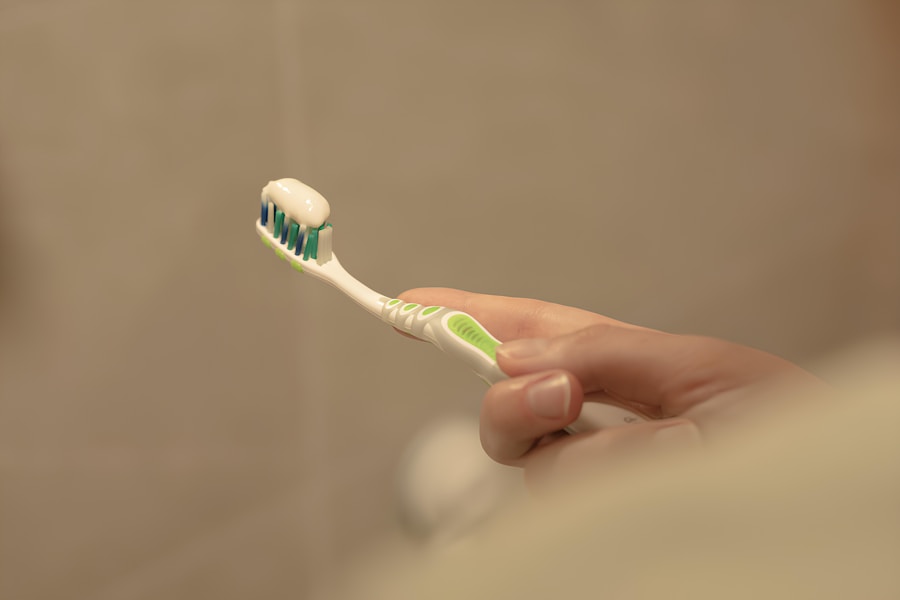
- Brushing: Brushing twice daily with a soft-bristled toothbrush and fluoride toothpaste. The dentist may recommend specific brushing techniques, such as the Bass method, which focuses on cleaning the gum line.
- Flossing: Daily flossing is crucial for removing plaque and food particles from between teeth and below the gum line, areas a toothbrush cannot reach. Think of flossing as the specialized tool that reaches into the hidden corners of a complex machine.
- Mouthwash: Therapeutic mouthwashes containing antiseptic agents like chlorhexidine can be prescribed for short-term use to reduce bacteria and inflammation. Over-the-counter fluoride rinses can also contribute to overall oral health.
Lifestyle Modifications
Addressing risk factors can significantly aid in treatment and prevention.
- Smoking Cessation: Quitting smoking is one of the most impactful steps you can take to improve gum health.
- Dietary Changes: Reducing sugar intake and consuming a balanced diet rich in vitamins and minerals supports overall health, including gum health.
- Managing Systemic Conditions: For individuals with diabetes, maintaining good blood sugar control is essential for preventing and managing gum disease.
Preventing Gingivitis
Prevention is paramount in maintaining healthy gums. Consistent adherence to good oral hygiene practices and regular dental check-ups are the most effective strategies.
Daily Oral Hygiene Regimen
A robust daily oral hygiene routine is your first line of defense. Brushing twice a day for two minutes each time, using fluoride toothpaste, mechanically removes plaque from tooth surfaces. Flossing once a day disrupts plaque colonies in interdental spaces and below the gum line. Consider adding an antiseptic mouthwash as a supplemental tool, particularly if recommended by a dental professional. Power toothbrushes can also be more effective for some individuals in plaque removal.
Regular Dental Check-ups
Visiting your dentist or dental hygienist for professional cleanings and examinations at least every six months is crucial. These visits allow for the early detection and removal of plaque and tartar buildup that you cannot remove at home. Regular check-ups are like routine maintenance for a complex machine; they identify minor issues before they become major problems. Your dental professional can also provide personalized advice and identify any emerging issues that might predispose you to gingivitis.
Balanced Diet
A diet rich in fruits, vegetables, and whole grains supports overall health, including gum health. Limiting sugary drinks and snacks reduces the fuel for harmful bacteria. Maintaining adequate hydration is also important, as saliva helps cleanse the mouth.
Avoiding Risk Factors
Minimizing or eliminating known risk factors significantly reduces your susceptibility to gingivitis. This includes avoiding tobacco products in all forms and managing underlying health conditions such as diabetes. Discuss any medications you are taking with your dentist, as some can impact gum health. Addressing crooked teeth or poorly fitting dental work that hinders effective cleaning can also prevent plaque accumulation.
Gingivitis, though common, is a manageable condition. By understanding its causes, recognizing its symptoms, and implementing effective preventive measures, you can maintain healthy gums and safeguard your overall oral health. Through diligent personal care and professional guidance, the progression from gingivitis to more severe periodontal disease can largely be avoided. Think of your gums as the foundation for your teeth; a strong foundation ensures the stability and longevity of the entire structure.