Understanding Tooth Discoloration
Tooth discoloration is a common concern affecting a significant portion of the adult population. It can manifest as extrinsic stains, which are on the surface of the tooth enamel, or intrinsic stains, which are embedded within the dentin and enamel structure. Understanding the root causes of these stains is essential before considering any whitening procedure.
Extrinsic Stains: Surface-Level Discoloration
Extrinsic stains primarily result from the accumulation of chromogens—pigmented compounds—on the tooth surface. These stains often adhere to the pellicle, a thin protein film that naturally forms on enamel.
Common Causes of Extrinsic Stains
- Dietary Habits: Frequent consumption of darkly pigmented foods and beverages is a primary contributor. Coffee, tea, red wine, colas, and certain berries are particularly notorious. The tannins and chromogens in these items bind to the enamel, gradually darkening its appearance.
- Tobacco Use: Smoking and chewing tobacco are significant factors in tooth discoloration. Nicotine and tar readily stain the enamel, leading to a distinct yellow or brown hue. The chemical compounds in tobacco products penetrate the enamel pores, making these stains particularly tenacious.
- Poor Oral Hygiene: Inadequate brushing and flossing allow plaque and tartar to accumulate. These deposits provide a rough surface for chromogens to adhere to, exacerbating stain formation. Regular and effective oral hygiene is a foundational defense against extrinsic discoloration.
- Certain Medications: Some oral rinses, such as chlorhexidine, can cause temporary extrinsic staining. While beneficial for gum health, prolonged use may lead to discoloration that typically resolves after discontinuation.
Intrinsic Stains: Deeper Discoloration
Intrinsic stains originate from within the tooth structure, often affecting the dentin, the layer beneath the enamel. These stains are more challenging to remove than extrinsic stains and often require more intensive whitening methods or restorative solutions.
Factors Contributing to Intrinsic Stains
- Aging: As individuals age, the enamel naturally thins, revealing more of the yellowish dentin beneath. Additionally, decades of exposure to chromogenic substances can lead to the slow impregnation of these pigments into the deeper layers of the tooth.
- Trauma: A direct impact or injury to a tooth can damage the pulp, leading to internal bleeding. The breakdown products of blood, particularly iron, can seep into the dentin tubules, causing the tooth to appear discolored, often with a grayish or brownish tint. This type of discoloration may manifest years after the initial injury.
- Medications During Tooth Development: Certain antibiotics, notably tetracycline, can cause severe intrinsic staining if administered during the critical stages of tooth formation (prenatal to age 8). Tetracycline binds to calcium ions and incorporates into the developing dentin, resulting in permanent grayish, brownish, or bluish bands on the teeth.
- Excessive Fluoride Intake (Fluorosis): While fluoride strengthens enamel, excessive intake during tooth development can lead to dental fluorosis. This condition manifests as white flecks, streaks, or, in severe cases, pitting and brown stains on the tooth surface.
- Genetic Factors: Some individuals naturally have teeth that are darker or more yellow due to genetic predisposition. The inherent thickness and translucency of their enamel and the shade of their dentin play a significant role.
- Dental Restorations: Older amalgam fillings can sometimes leach metallic ions into the surrounding tooth structure, leading to a grayish discoloration over time. Certain restorative materials used in the past may also contribute to intrinsic staining.
General Principles of Safe Teeth Whitening
Approaching teeth whitening requires careful consideration of safety and efficacy. The goal is to brighten your smile without compromising the integrity of your enamel or causing undue sensitivity. Think of your enamel as the armor of your teeth; once it’s gone, it’s gone, and teeth become vulnerable.
Enamel Protection: The Cornerstone of Whitening
The enamel is the hardest substance in the human body, but it is not indestructible. It provides a protective barrier for the sensitive dentin and pulp beneath. Any whitening method should prioritize the preservation of this vital layer.
Mechanisms of Enamel Damage
- Acidic Products: Highly acidic whitening agents or excessively acidic foods and drinks can erode enamel over time. This erosion can lead to increased sensitivity, a duller appearance as dentin is exposed, and a higher risk of cavities.
- Abrasive Techniques: Overly abrasive toothpastes, scrubbing too vigorously, or using harsh household remedies can mechanically wear down enamel. This is akin to sanding down a smooth surface; while it might appear brighter initially due to stain removal, the underlying structure is weakened.
- Overuse of Whitening Agents: Excessive application or prolonged use of peroxide-based whitening products beyond recommended guidelines can lead to minor demineralization of the enamel surface. While generally reversible if stopped, it increases the risk of sensitivity.
Identifying Appropriate Candidates
Not everyone is a suitable candidate for all types of teeth whitening. A thorough assessment by a dental professional is crucial to determine the most effective and safest approach for your individual situation.
Factors Influencing Candidacy
- Overall Oral Health: Whitening should only be performed on healthy teeth and gums. Any existing dental issues, such as cavities, gum disease, or exposed roots, should be addressed before starting a whitening regimen. Applying whitening agents to compromised teeth can exacerbate problems like sensitivity or pain.
- Type of Stains: As discussed, intrinsic stains often respond less predictably to conventional over-the-counter whitening methods compared to extrinsic stains. A dentist can help distinguish between these types and recommend appropriate treatments.
- Existing Dental Restorations: Whitening agents do not change the color of existing crowns, veneers, fillings, or composite bondings. Whitening your natural teeth might result in a color mismatch, requiring replacement of these restorations to achieve a uniform shade. This is a critical point to consider for treatment planning.
- Sensitivity Levels: Individuals with pre-existing tooth sensitivity may experience heightened discomfort during and after whitening. A dentist can evaluate the cause of sensitivity and suggest strategies to mitigate it, such as using desensitizing toothpastes or lower-concentration whitening gels.
Professional In-Office Whitening
For those seeking rapid and noticeable results with professional oversight, in-office whitening presents a viable option. This method leverages higher concentrations of whitening agents under controlled conditions.
Procedure and Agents Used
In-office whitening procedures typically involve the application of a high-concentration hydrogen peroxide (H2O2) or carbamide peroxide (CH6N2O2) gel to the teeth. These gels are significantly stronger than what is available over the counter, enabling faster and more dramatic results.
Step-by-Step Process
- Initial Assessment: Your dentist will conduct a thorough examination of your teeth and gums to ensure they are healthy enough for whitening. This includes checking for cavities, gum disease, and existing restorations. A shade guide will be used to record your current tooth color.
- Preparation: A protective barrier, often a liquid rubber dam or gingival barrier material, is carefully applied to your gums and other soft tissues to shield them from the high-strength whitening gel. This step is critical to prevent chemical burns or irritation.
- Gel Application: The whitening gel is then precisely applied to the front surfaces of your teeth. The active ingredient, usually hydrogen peroxide, begins to break down into water and oxygen free radicals. These free radicals penetrate the enamel and dentin, oxidizing the pigmented molecules responsible for stains.
- Activation (Optional): Some systems use a special light (LED, halogen, or plasma arc) to accelerate the breakdown of the peroxide and enhance the whitening effect. However, research suggests that the light itself does not whiten teeth but primarily acts as a catalyst for the chemical reaction. The primary whitening occurs due to the strong chemical agents.
- Multiple Cycles: The gel is typically left on for 15-20 minutes per cycle, sometimes with multiple applications within a single session, depending on the desired outcome and product instructions. After each cycle, the gel is removed, and fresh gel is applied.
- Post-Treatment: Once the desired shade is achieved, the gel is rinsed off, and the protective barriers are removed. A fluoride treatment may be applied to help reduce sensitivity and remineralize the enamel. Your dentist will provide aftercare instructions, including dietary restrictions to prevent re-staining.
Advantages and Disadvantages
Considering professional in-office whitening involves weighing its benefits against its potential drawbacks.
Benefits of Professional Whitening
- Speed and Efficacy: This is perhaps the most significant advantage. In-office whitening can achieve dramatic results in a single 1- to 2-hour session, often lightening teeth by several shades. This makes it ideal for individuals seeking quick improvements for special occasions. It is the gold standard for immediate, visible change.
- Professional Supervision: The entire procedure is performed under the direct supervision of a dentist or trained dental hygienist. This ensures proper application of the strong agents, precise protection of soft tissues, and immediate management of any potential side effects like sensitivity. This oversight minimizes risks.
- Personalized Treatment: Your dentist can tailor the treatment plan, including the concentration of the whitening gel and the number of cycles, to your specific needs, stain type, and sensitivity levels. This personalized approach often yields more predictable and satisfactory results.
Drawbacks of Professional Whitening
- Cost: Professional in-office whitening is generally the most expensive whitening option due to the high-quality materials, specialized equipment, and professional time involved. It’s an investment in your smile.
- Sensitivity: While temporary, increased tooth sensitivity is a common side effect. The high concentration of peroxide can cause transient irritation of the dental pulp. This sensitivity usually subsides within 24-48 hours but can be uncomfortable for some individuals.
- Potential for Uneven Results: If you have existing restorations, such as crowns or fillings, these will not whiten. This can lead to a noticeable difference in color between your natural teeth and the restorations, necessitating their replacement for a uniform appearance, adding to cost and complexity.
- Regenerating Stains: While effective, professional whitening is not a permanent solution. Without proper maintenance, including good oral hygiene and avoiding chromogenic foods and drinks, teeth can gradually re-stain over time.
At-Home Professional Whitening Kits
For individuals who prefer the convenience of whitening at home but still desire professional guidance and stronger results than over-the-counter options, at-home professional whitening kits prescribed by a dentist are an excellent compromise.
Custom Trays and Gel Application
These kits typically involve custom-fitted trays and a professional-grade whitening gel with a lower concentration of active ingredients than in-office treatments.
How Custom Trays Work
- Dental Impression: The process begins with your dentist taking an impression of your teeth. These impressions are then used by a dental lab to fabricate custom-fitting trays that precisely conform to your dental arch. This personalized fit is crucial.
- Precise Gel Delivery: The custom trays hold the whitening gel snugly against the tooth surfaces, preventing it from leaking onto the gums and ensuring even distribution. This maximizes the gel’s contact with the teeth and minimizes irritation to soft tissues. The snug fit is much like a glove, ensuring every surface is reached.
- Prescribed Gel: Your dentist will provide you with a professional-strength whitening gel, usually carbamide peroxide, in varying concentrations (e.g., 10-22%). They will instruct you on how to apply a small amount of gel into the trays and wear them for a specified duration, typically from 30 minutes to a few hours per day, or overnight, for 10-14 days.
- Monitoring and Adjustments: Your dentist will monitor your progress and can make adjustments to the treatment plan, such as modifying the wearing time or gel concentration, based on your sensitivity levels and desired outcome. This ongoing professional input is a key benefit over OTC options.
Advantages and Disadvantages
At-home professional kits offer a balance between efficacy and convenience, but they come with their own set of considerations.
Benefits of At-Home Professional Kits
- Greater Control and Flexibility: You control the whitening schedule, fitting it into your daily routine. This flexibility can be a significant advantage for busy individuals. You are the conductor of your own whitening symphony.
- Reduced Sensitivity: Because the gel concentrations are lower than in-office treatments, the risk and severity of tooth sensitivity are generally reduced. If sensitivity does occur, you can pause or reduce the frequency of treatment.
- Cost-Effective (Compared to In-Office): While more expensive than over-the-counter products, these kits are typically less costly than a single in-office whitening session. They offer a good value for professional-grade results.
- Maintenance Potential: The custom trays can be reused for touch-up treatments in the future, often requiring only the purchase of replacement whitening gel. This makes long-term maintenance more convenient and economical.
- Professional Guidance: Although done at home, the process is supervised by your dentist. They provide instructions, address concerns, and ensure the safe and effective use of the products.
Drawbacks of At-Home Professional Kits
- Longer Treatment Duration: Achieving optimal results with at-home kits typically takes 10-14 days or more, in contrast to the rapid results of in-office whitening. Patience is a virtue here.
- Compliance Required: Efficacy depends heavily on consistent and correct use of the trays and gel as prescribed by your dentist. Lack of adherence can lead to suboptimal results or prolonged treatment time.
- Potential for Mild Sensitivity and Gum Irritation: Although generally less severe, some transient tooth sensitivity or gum irritation can still occur, particularly if too much gel is used or if the trays are not fitting perfectly.
- Not Suitable for All Stain Types: Like most whitening methods, at-home kits are most effective on extrinsic stains and certain types of intrinsic stains. They may have limited impact on very dark intrinsic stains like tetracycline staining.
Over-the-Counter Whitening Products
For those seeking an accessible and affordable entry point into teeth whitening, the market is saturated with various over-the-counter (OTC) products. These options typically utilize lower concentrations of active ingredients and provide a more gradual whitening effect.
Strips, Trays, and Toothpastes
OTC whitening products come in several popular formats, each with its own application method and degree of efficacy.
Common OTC Whitening Options
- Whitening Strips: These are thin, flexible plastic strips coated with a peroxide-based whitening gel. They are applied directly to the front surfaces of the teeth and adhere to the enamel. Strips are widely available and relatively easy to use, providing a good contact surface for the gel.
- Brush-on Gels: These gels are applied directly to the tooth surface with a small brush. They are designed to dry quickly and remain on the teeth for a specified period or overnight. They offer precision but may have less contact time than strips or trays.
- Whitening Toothpastes: Most whitening toothpastes rely on abrasive agents (silica, calcium carbonate) to physically scrub away extrinsic surface stains, or on mild chemical agents (peroxides, blue covarine) to dislodge and lighten stains gently. They generally offer the least dramatic results but can help maintain brightness.
- Tray-based Kits (Generic): These kits include a whitening gel and generic, boil-and-bite trays that are not custom-fitted. While cheaper, the imperfect fit can lead to gel leakage, reducing effectiveness and potentially irritating gums.
Effectiveness and Limitations
While OTC products offer convenience and affordability, it is important to manage expectations regarding their whitening power and limitations.
Benefits of OTC Whitening
- Accessibility and Affordability: OTC products are readily available in drugstores and supermarkets and are significantly less expensive than professional whitening treatments, making them accessible to a broader audience.
- Convenience: They can be used at home, on your own schedule, without the need for dental appointments. This autonomy is attractive to many users.
- Mild Whitening for Surface Stains: For individuals with primarily extrinsic stains and a desire for a subtle brightening, OTC products can be effective. They can improve the superficial appearance of teeth, gently lifting the veil of surface discoloration.
Drawbacks of OTC Whitening
- Limited Efficacy on Deep Stains: Due to the lower concentration of active ingredients, OTC products are generally less effective at tackling intrinsic or deeply embedded stains. Think of them as polishing a surface, not changing the core material.
- Potential for Uneven Results: Generic trays may not fit perfectly, leading to inconsistent gel contact and potentially uneven whitening. Strips, while better, may not reach all crevices of the teeth.
- Gum Irritation: If whitening agents come into prolonged contact with gum tissue, irritation, redness, or even chemical burns can occur, particularly with ill-fitting trays or excessive gel application.
- Increased Sensitivity: Although less common than with professional treatments, temporary tooth sensitivity can still occur, especially with prolonged or frequent use.
- No Professional Oversight: Without a dentist’s evaluation, you might be using a product unsuitable for your specific dental condition, potentially exacerbating existing issues or overlooking underlying problems that require professional attention before whitening.
- Abrasion Risk (Toothpastes): Some abrasive whitening toothpastes, if used excessively or aggressively, can lead to enamel wear over time, which is irreversible and can increase sensitivity and the risk of future staining.
Lifestyle and Maintenance
Achieving and maintaining a brighter smile extends beyond active whitening treatments. Lifestyle choices play a crucial role, often acting as both a shield against new stains and a foundation for long-term oral health.
Dietary Adjustments and Oral Hygiene
Your daily habits are constant companions in the journey of tooth color. Mindful consumption and diligent cleaning are your strongest allies.
Preventing New Stains
- Mindful Consumption of Chromogenic Foods and Drinks: The substances that caused initial staining can continue to dull your smile. Reduce your intake of coffee, tea, red wine, dark sodas, berries, and sauces like soy sauce. When you do consume them, consider using a straw to minimize direct contact with your teeth. This is not about deprivation, but strategic consumption.
- Rinsing After Consumption: If you can’t brush immediately after consuming staining foods or drinks, rinse your mouth thoroughly with water. This simple act washes away some of the chromogens before they have a chance to adhere strongly to your enamel.
- Limiting Acidic Foods and Beverages: Acidic items, such as citrus fruits, vinegars, and highly carbonated drinks, can temporarily soften enamel, making it more susceptible to staining and erosion. Wait at least 30 minutes after consuming acidic foods before brushing to allow saliva to remineralize the enamel.
- Quit Tobacco Use: This is arguably the most impactful lifestyle change for both oral health and stain prevention. Eliminating smoking or chewing tobacco will dramatically reduce the rate of re-staining and improve overall dental and systemic health.
Optimal Oral Hygiene Practices
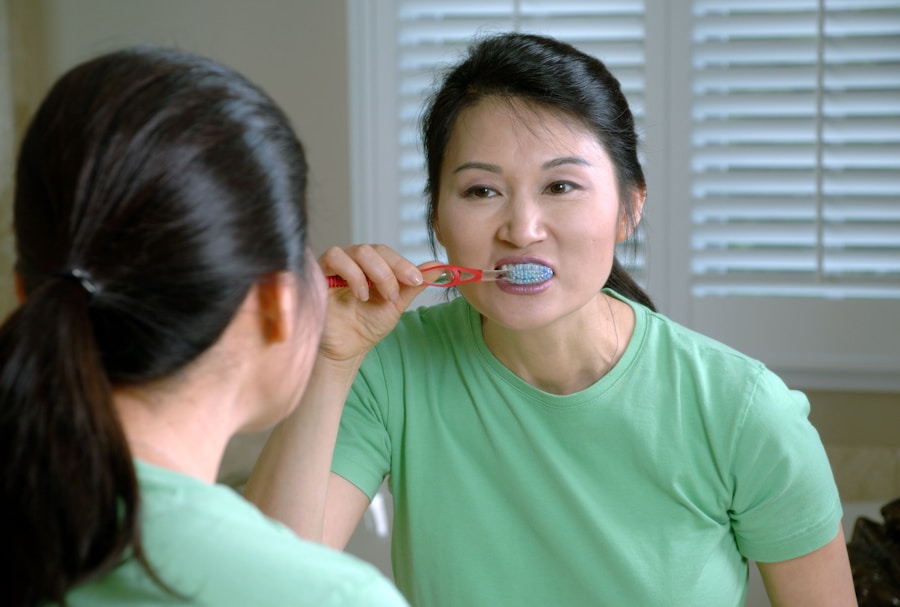
- Regular Brushing: Brush your teeth at least twice a day for two minutes each time, using a soft-bristled toothbrush and fluoride toothpaste. Proper brushing technique removes plaque and surface stains effectively. Consider an electric toothbrush for enhanced plaque removal.
- Daily Flossing: Flossing once a day removes food particles and plaque from between your teeth and along the gum line, areas where stains can accumulate and where brushes often miss. This clears the hidden nooks and crannies.
- Antiseptic Mouthwash (Non-Staining): If using mouthwash, choose an alcohol-free, non-staining variety. Some mouthwashes, particularly those containing chlorhexidine, can contribute to extrinsic staining with prolonged use.
- Regular Dental Cleanings: Schedule professional dental cleanings every six months (or as recommended by your dentist). Your hygienist can effectively remove stubborn plaque and tartar, along with extrinsic stains that regular brushing can’t dislodge. This is your professional “reset” button.
Touch-Up Treatments
Whitening is not a one-time event; it’s a dynamic process that often requires periodic reinforcement to maintain the desired brightness.
Strategies for Sustained Whiteness
- At-Home Custom Tray Touch-Ups: If you’ve undergone professional at-home whitening, you already possess the custom trays. You can periodically purchase refill whitening gel from your dentist and perform short touch-up sessions (e.g., a few days every 6-12 months) as needed to combat new staining.
- Over-the-Counter Products for Maintenance: For those who initially achieved results with in-office whitening, OTC whitening strips or specific whitening toothpastes can serve as maintenance tools between professional touch-ups, addressing superficial stains before they become set.
- Annual or Biennial Professional Boosts: Depending on your staining habits and desired level of whiteness, a mini in-office touch-up or another full at-home whitening course every year or two can keep your smile consistently bright. This is like a tune-up for your car – regular care keeps it running optimally.
- Consult Your Dentist: Always discuss your maintenance plan with your dentist. They can assess your teeth, monitor sensitivity, and recommend the most appropriate schedule and products to keep your smile radiant without compromising dental health. They are your guide in navigating the ongoing journey of whitening.