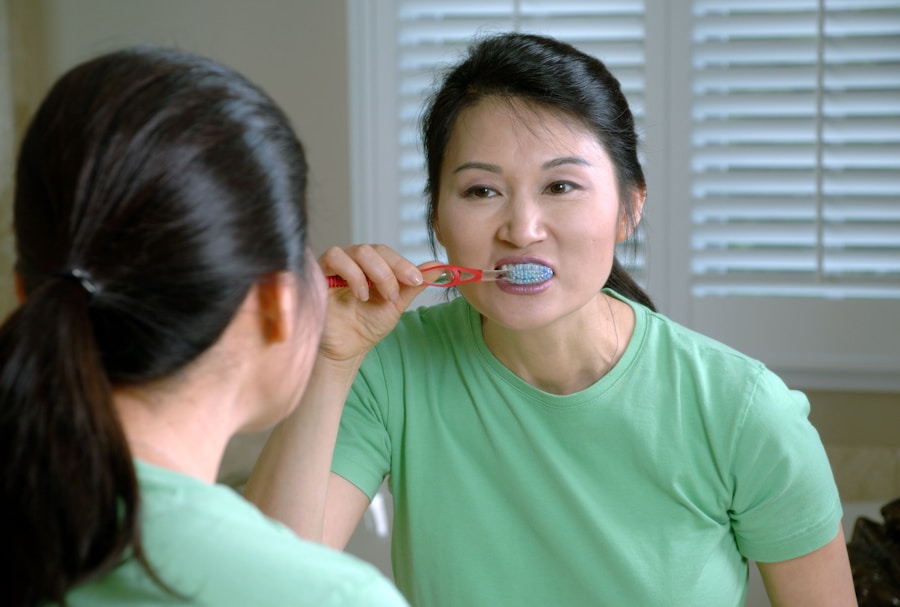
In recent years, do-it-yourself (DIY) teeth whitening has become increasingly popular among individuals seeking a brighter, more radiant smile. With the rise of social media and the emphasis on physical appearance, many people are turning to at-home remedies and over-the-counter products to achieve a whiter smile. From homemade baking soda and hydrogen peroxide mixtures to whitening toothpaste and strips, there is no shortage of options for those looking to improve the appearance of their teeth without the cost and inconvenience of professional treatments. The accessibility and affordability of these DIY methods have contributed to their widespread popularity, as they allow individuals to take control of their own oral care and achieve noticeable results from the comfort of their own homes.
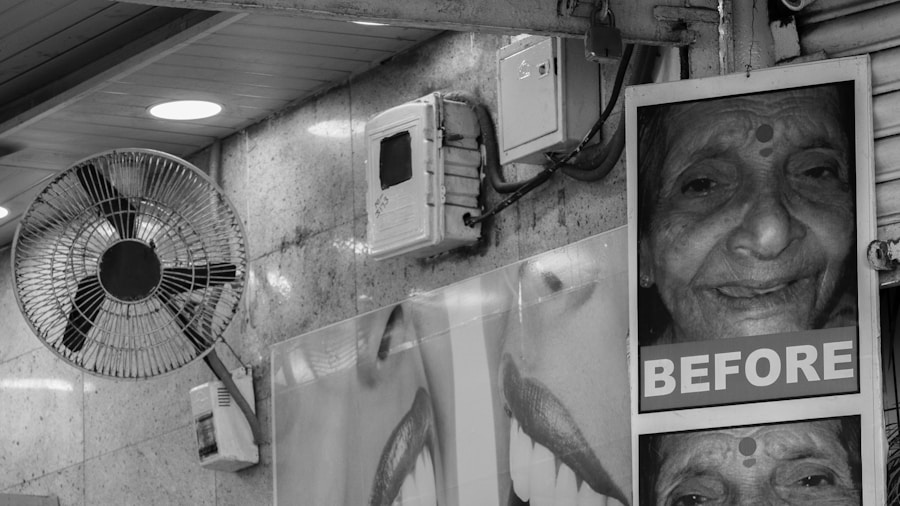
Furthermore, the rise of social media influencers and celebrities promoting at-home teeth whitening products has also played a significant role in the popularity of DIY teeth whitening. With countless endorsements and before-and-after photos flooding our social media feeds, it’s no wonder that many people are eager to try these products for themselves. The promise of a brighter smile without the hefty price tag of professional treatments has made at-home teeth whitening an attractive option for individuals of all ages and backgrounds. However, it’s important to consider the effectiveness and potential risks of these DIY methods before diving in.
The Effectiveness of Whitening Strips
One of the most popular forms of DIY teeth whitening is the use of whitening strips, which are thin, flexible plastic strips coated with a peroxide-based gel. These strips are applied directly to the teeth and left in place for a specified amount of time, typically ranging from 30 minutes to an hour. Proponents of whitening strips praise their convenience and ease of use, as they can be worn discreetly and are often more affordable than professional treatments. Additionally, many users report noticeable improvements in the color and brightness of their teeth after using whitening strips for a few weeks.
However, it’s important to note that the effectiveness of whitening strips can vary depending on the individual’s unique dental needs and the severity of discoloration. While some people may experience significant whitening results with whitening strips, others may find that their teeth only achieve minimal improvement or that certain areas remain discolored. Furthermore, overuse or improper application of whitening strips can lead to tooth sensitivity, gum irritation, and uneven whitening. It’s crucial for individuals considering this DIY method to carefully follow the instructions provided with the product and to consult with a dentist if they have any concerns about their oral health.
The Benefits of Professional Teeth Whitening
While DIY teeth whitening methods have gained popularity in recent years, professional teeth whitening treatments continue to be a highly effective and safe option for achieving a brighter smile. Dentists offer a range of professional whitening options, including in-office treatments and take-home kits that are custom-fitted to each patient’s teeth. These treatments typically involve the use of a higher concentration of peroxide than over-the-counter products, allowing for more dramatic and long-lasting results.
One of the primary benefits of professional teeth whitening is the expertise and supervision provided by dental professionals. Dentists can assess the patient’s oral health and determine the most appropriate whitening method based on their individual needs and goals. Additionally, professional treatments are often more efficient and reliable than DIY methods, as they are designed to minimize potential risks and maximize results. Many patients report significant improvements in the color and brightness of their teeth after just one or two professional whitening sessions, making this option particularly appealing for those seeking immediate and noticeable changes to their smile.
Furthermore, professional teeth whitening treatments are tailored to each patient’s specific dental concerns, ensuring that the results are natural-looking and harmonious with their overall appearance. Unlike generic over-the-counter products, professional whitening treatments take into account factors such as tooth sensitivity, existing dental work, and gum health to provide a customized and comfortable experience. For individuals who value personalized care and long-term oral health, professional teeth whitening may be the ideal choice.
The Risks and Limitations of DIY Teeth Whitening
While DIY teeth whitening methods may offer convenience and affordability, they also come with potential risks and limitations that should be carefully considered before embarking on a whitening regimen. One of the most common concerns associated with at-home whitening products is tooth sensitivity, which can occur when the peroxide-based ingredients come into contact with the teeth and gums for an extended period of time. This sensitivity may manifest as temporary discomfort or pain when consuming hot or cold foods and beverages, making it an unpleasant side effect for many individuals.
In addition to tooth sensitivity, DIY teeth whitening methods can also lead to uneven results and damage to the enamel if not used properly. Overuse or misuse of whitening products can result in a blotchy or mottled appearance on the teeth, as well as increased susceptibility to cavities and other dental issues. Furthermore, individuals with existing dental work such as crowns, veneers, or fillings may find that at-home whitening products do not effectively address discoloration in these areas, leading to an uneven or unnatural-looking smile.
It’s important for individuals considering DIY teeth whitening to be aware of these potential risks and limitations, as well as to consult with a dentist before beginning any whitening regimen. A dental professional can assess the patient’s oral health and provide personalized recommendations for achieving a whiter smile without compromising their dental well-being.
The Cost Comparison: DIY vs Professional Treatments
When it comes to achieving a whiter smile, cost is often a significant factor in determining which method is most suitable for an individual’s budget and lifestyle. DIY teeth whitening products such as whitening toothpaste, strips, and gels are generally more affordable than professional treatments, making them an attractive option for those looking to improve the appearance of their teeth without breaking the bank. Many over-the-counter whitening products can be purchased for less than $50, offering a cost-effective solution for individuals who are on a tight budget or prefer the convenience of at-home remedies.
On the other hand, professional teeth whitening treatments typically come with a higher price tag due to the expertise and supervision provided by dental professionals. In-office whitening sessions can cost anywhere from $500 to $1,000 or more, depending on the location and reputation of the dental practice. Take-home whitening kits prescribed by dentists may also require an initial investment ranging from $300 to $500, although they often include custom-fitted trays and higher-quality whitening gel than over-the-counter products.
While the cost of professional teeth whitening may initially seem prohibitive for some individuals, it’s important to consider the long-term benefits and potential savings associated with this option. Professional treatments are often more efficient and reliable than DIY methods, leading to more consistent and long-lasting results. Additionally, many dental practices offer financing options or flexible payment plans to accommodate patients with varying budgets. By weighing the upfront cost against the quality and durability of professional teeth whitening, individuals can make an informed decision that aligns with their financial goals and oral care needs.
The Importance of Consulting a Dentist
Regardless of whether an individual chooses DIY teeth whitening or professional treatments, consulting with a dentist is crucial for ensuring safe and effective results. Dental professionals possess the knowledge and expertise needed to assess the patient’s oral health and provide personalized recommendations for achieving a whiter smile without compromising their dental well-being. During a consultation, dentists can evaluate factors such as tooth sensitivity, existing dental work, gum health, and overall oral hygiene to determine the most appropriate whitening method for each patient.
Furthermore, dentists can address any concerns or questions that individuals may have about DIY teeth whitening products or professional treatments, offering valuable guidance based on their extensive training and experience. By seeking professional advice before beginning a whitening regimen, patients can minimize potential risks and maximize the likelihood of achieving natural-looking and harmonious results. Additionally, dentists can provide ongoing support and monitoring throughout the whitening process, ensuring that any issues or complications are promptly addressed.
In conclusion, consulting with a dentist is an essential step in making an informed decision for whiter teeth. Whether an individual ultimately chooses DIY teeth whitening or professional treatments, the guidance and supervision provided by dental professionals are invaluable for achieving safe, effective, and long-lasting results.
Making an Informed Decision for Whiter Teeth
In today’s image-conscious society, achieving a brighter smile has become a top priority for many individuals seeking to enhance their appearance and boost their confidence. With the abundance of DIY teeth whitening products available on the market, it’s no wonder that at-home remedies have gained widespread popularity as a convenient and affordable option for improving the color and brightness of one’s teeth. However, it’s important for individuals to carefully consider the effectiveness, risks, limitations, and cost associated with DIY methods before embarking on a whitening regimen.
Professional teeth whitening treatments continue to be a highly effective and safe option for achieving a whiter smile under the supervision of dental professionals. With their expertise and personalized care, dentists can provide tailored recommendations based on each patient’s unique dental needs and goals. By weighing the benefits and drawbacks of both DIY teeth whitening and professional treatments, individuals can make an informed decision that aligns with their budget, lifestyle, and oral care priorities.
Ultimately, consulting with a dentist is crucial for ensuring safe and effective results regardless of which method an individual chooses. By seeking professional advice before beginning a whitening regimen, patients can minimize potential risks and maximize the likelihood of achieving natural-looking and harmonious results. With careful consideration and guidance from dental professionals, individuals can confidently embark on their journey toward a brighter, more radiant smile.