
Understanding Chipped Teeth
A chipped tooth, medically referred to as a tooth fracture, is a common dental issue. It occurs when a portion of the tooth’s enamel or dentin breaks off. These fractures can range in severity, from minor cosmetic imperfections to more significant structural damage that compromises the tooth’s health and function. Understanding the causes, types, and potential consequences of chipped teeth is the first step towards effective management and restoration.
Causes of Chipped Teeth
Chipped teeth are frequently the result of physical trauma. This can include direct blows to the mouth, such as during sports activities or accidental falls. Biting down on hard objects, like ice, hard candy, or even the nib of a pen, can also create enough pressure to fracture a tooth. Furthermore, teeth that are already weakened by decay, large fillings, or grinding (bruxism) are more susceptible to chipping. Genetic predispositions can also play a role, with some individuals having enamel that is naturally thinner or more brittle.
Traumatic Injuries
Impacts to the mouth are a leading cause. Contact sports such as football, hockey, and martial arts inherently carry the risk of facial trauma, which can translate to chipped teeth. In everyday life, falls, bicycle accidents, or even a sudden collision can result in a chipped tooth. The force of the impact directly contributes to the extent of the fracture.
Habits and Lifestyle Factors
Certain habits can place undue stress on teeth. Biting on fingernails, chewing on pencils or pens, or using teeth as tools to open packages are all activities that can lead to small chips over time. Bruxism, the involuntary clenching and grinding of teeth, particularly during sleep, can wear down enamel and make teeth more prone to fracturing. A diet high in acidic foods and drinks can also weaken enamel, making it more susceptible to chipping and erosion.
Dental Conditions
Pre-existing dental conditions can weaken the tooth structure. Teeth with large cavities or extensive decay have a reduced structural integrity, making them much easier to chip. Old or failing dental restorations, such as large amalgam fillings, can also create stress points within the tooth, leading to fractures. Congenital conditions affecting enamel development can also result in teeth that are inherently weaker.
Types of Tooth Fractures
Tooth fractures are classified based on their location and severity. Recognizing these different types is crucial for dentists to accurately diagnose the problem and formulate the appropriate treatment plan.
Enamel Fractures (Chip)
This is the most common type, involving only a small piece of the outer enamel layer. These chips are often superficial and may not cause pain, though they can be aesthetically displeasing. The enamel is the hardest substance in the human body, and for it to chip, there usually needs to be a moderate force applied.
Enamel-Dentin Fractures
When the fracture extends through the enamel and into the dentin, the layer beneath the enamel, it is classified as an enamel-dentin fracture. Dentin is softer than enamel, and its exposure can lead to increased tooth sensitivity to temperature changes and touch. The nerve within the pulp chamber is still protected, but the chip is more substantial than a simple enamel fracture.
Pulp Involvement Fractures (Crown-Root Fractures)
These are the most severe types of fractures. If the fracture extends into the pulp, the innermost part of the tooth containing nerves and blood vessels, it is a serious condition. Pulp involvement can lead to significant pain, infection, and may necessitate root canal treatment or even extraction. Crown-root fractures involve the enamel, dentin, and cementum (the outer layer of the root), often extending below the gum line, making restoration challenging.
Root Fractures
Although less common than crown fractures, root fractures can occur. These are cracks that run along the root of the tooth, below the gum line. They can be vertical or horizontal and may not always be visible on standard X-rays, making diagnosis difficult. Root fractures can lead to pain, mobility, and potential infection of the surrounding bone.
Recognizing the Symptoms of a Chipped Tooth
While some chipped teeth are obvious, others may present with subtle or no symptoms. Paying attention to your body’s signals and undergoing regular dental check-ups are essential for early detection.
Pain and Sensitivity
Pain is a common indicator, especially if the fracture has exposed the dentin or pulp. The sensitivity can be sharp and temporary, often triggered by cold or hot temperatures, or by pressure when biting. If the fracture has reached the nerve, the pain can be persistent and throbbing.
Temperature Sensitivity
When the enamel is compromised and dentin is exposed, the tiny tubules within the dentin can transmit temperature sensations directly to the nerve. This can manifest as a sharp, unpleasant sensation when consuming hot beverages or cold foods and drinks.
Sensitivity to Touch and Pressure
Direct contact with the chipped area, whether by your tongue, fingers, or during chewing, can cause discomfort. Similarly, biting down on food can exert pressure on the fractured tooth, leading to pain.
Visible Irregularities and Jagged Edges
Visually inspecting your teeth in a mirror can reveal a chipped or broken edge. The surface may feel rough to your tongue, or you might notice a sharp or jagged line where the tooth has fractured. In some cases, a small piece of tooth may be missing entirely.
Roughness on the Tongue
Your tongue is sensitive and can easily detect subtle changes in tooth surface texture. If you feel a rough or sharp edge when running your tongue over your teeth, it could indicate a chipped enamel.
Aesthetic Concerns
Even minor chips can affect the appearance of your smile. The noticeable gap or irregular edge can draw attention and may cause self-consciousness.
Bleeding
In cases where the fracture extends deep enough to damage the gum tissue or the pulp, bleeding may occur around the affected tooth. This is a more serious symptom and requires immediate dental attention to prevent infection.
Restoring Your Smile: Treatment Options
The approach to restoring a chipped tooth depends on the severity and location of the fracture. Dentists have a range of effective methods to repair chipped teeth, bringing back both function and aesthetics.
Dental Bonding
This is a popular and conservative treatment for minor chips and imperfections. A tooth-colored composite resin material is bonded to the damaged area of the tooth, sculpted to match the natural tooth contour, and then hardened with a special light. Bonding can effectively hide small chips, cracks, and minor imperfections, restoring the tooth’s shape and appearance. It is a relatively quick procedure, often completed in a single visit.
The Bonding Process
The dentist will prepare the tooth surface by cleaning it and applying a mild etching solution to create a porous surface for the bonding material to adhere to. A bonding agent is then applied, followed by the composite resin. This resin is carefully shaped and molded to resemble the original tooth structure. A special curing light is used to harden the resin, and the dentist will then polish the bonded area to a smooth finish, blending it seamlessly with the natural tooth.
Advantages and Limitations of Bonding
Advantages include its conservative nature, requiring minimal tooth preparation, and its affordability compared to other restorative options. It can also be completed in a single appointment. However, bonding is susceptible to staining over time and may not be as durable as other methods for larger chips or areas under significant biting pressure.
Dental Veneers
For more significant chips, or when multiple teeth have aesthetic issues, dental veneers offer a more comprehensive solution. Veneers are thin, custom-made shells of porcelain or composite material that are bonded to the front surface of the teeth. They are designed to completely mask imperfections, including chips, cracks, discoloration, and misalignments, creating a uniform and aesthetically pleasing smile.
Types of Veneers
Porcelain veneers are the most common and offer superior durability, stain resistance, and a natural translucency. Composite veneers are an alternative, generally more affordable but less durable and more prone to staining than porcelain. The choice between porcelain and composite depends on individual needs, budget, and aesthetic goals.
The Application of Veneers
The process typically involves minimal preparation of the tooth surface, followed by taking impressions. These impressions are used to create custom-made veneers in a dental laboratory. At a subsequent appointment, the veneers are carefully fitted and bonded to the prepared teeth using strong dental adhesive.
Dental Crowns (Caps)
When a tooth is extensively chipped, fractured, or has undergone root canal treatment, a dental crown may be the most suitable option. A crown, often referred to as a cap, completely encases the entire visible portion of the tooth above the gum line. It provides structural support, protects the underlying tooth, and restores its shape, size, and appearance. Crowns are typically made from porcelain, ceramic, metal alloys, or a combination of these materials.
When is a Crown Necessary?
Crowns are recommended for teeth that have sustained significant damage, are severely worn down, or have a large filling that compromises their structural integrity. They are also used to protect a tooth that has undergone root canal therapy, as these teeth can become more brittle. For chipped teeth, a crown is usually considered when the fracture is too large for bonding or veneers, extending deep into the tooth structure or affecting its overall strength.
The Crown Placement Procedure
The procedure typically involves two dental visits. During the first visit, the dentist will prepare the tooth by shaping it to accommodate the crown. An impression is taken, and a temporary crown is placed to protect the prepared tooth. The impression is sent to a dental laboratory where the permanent crown is fabricated. At the second visit, the temporary crown is removed, and the permanent crown is cemented into place after confirming a precise fit and natural appearance.
Dental Fillings
For chips that affect the chewing surfaces or are located in areas less visible, traditional dental fillings can be used. While modern dentistry often favors composite resin for its aesthetic qualities, some may still opt for amalgam (silver) fillings for their durability, especially in back teeth where aesthetics are less of a concern.
Composite Resin Fillings
These tooth-colored fillings are bonded to the tooth, offering a natural-looking restoration. They are particularly effective for repairing smaller chips and cavities, blending seamlessly with the surrounding enamel. The bonding process helps to reinforce the tooth structure.
Amalgam Fillings
Although less commonly used for cosmetic reasons due to their metallic appearance, amalgam fillings are known for their strength and longevity, especially in areas of the mouth that experience heavy chewing forces. They are a cost-effective option for restoring chipped posterior teeth.
Prevention: Guarding Your Smile
While dental technology offers excellent solutions for restoring chipped teeth, prevention remains the most effective strategy. By adopting mindful habits and practicing good oral hygiene, you can significantly reduce the risk of experiencing tooth fractures.
Protecting Your Teeth from Trauma
The most direct way to prevent chipped teeth from traumatic injuries is through protective measures. During contact sports, wearing a custom-fitted mouthguard is paramount. These guards act as a cushion, absorbing the impact of blows to the jaw and mouth, thereby protecting your teeth from fracture and displacement.
The Role of Mouthguards
Mouthguards are not just for professional athletes; they are beneficial for anyone participating in sports that carry a risk of facial injury, from recreational basketball to skateboarding. A properly fitted mouthguard distributes the force of an impact away from the teeth and jawbone, significantly reducing the likelihood of fracturing or chipping a tooth.
Everyday Precautions
Beyond sports, simple everyday awareness can prevent unexpected chips. Avoid using your teeth as tools, such as to open packages or unscrew bottle caps. Be mindful of what you are chewing on, especially hard items like ice, popcorn kernels, or hard candies, as these can exert excessive force on your enamel.
Managing Bruxism and Grinding
Bruxism, or teeth grinding, is a silent enemy of enamel. If you suspect you grind your teeth, especially at night, consult your dentist. They can diagnose the condition and recommend strategies to manage it, which often include wearing a custom-fitted occlusal splint or nightguard.
Identifying Bruxism
Symptoms of bruxism can include headaches, jaw pain, sore facial muscles, and worn-down or chipped teeth. Your dentist can often identify signs of grinding by examining your teeth for wear patterns and by observing the health of your jaw muscles.
Treatment and Management of Bruxism
Treatments for bruxism focus on reducing the intensity and frequency of grinding. This can involve stress management techniques, behavioral therapy, and the use of a nightguard. A nightguard is a custom-made device worn during sleep that acts as a barrier between your upper and lower teeth, preventing them from grinding against each other and protecting your enamel from further wear and chipping.
Maintaining Optimal Oral Hygiene
Regular brushing and flossing are the bedrock of good oral health, and this includes protecting your enamel from weakening. A strong, healthy enamel layer is more resilient to chipping.
The Importance of Strong Enamel
Enamel is the protective outer shell of your teeth. It is the hardest substance in the human body, but it can be weakened by acids from food and bacteria. Maintaining strong enamel makes your teeth more resistant to the forces that can cause chipping.
Fluoride and Diet
Using fluoride toothpaste strengthens enamel and makes it more resistant to acid erosion. A balanced diet, rich in calcium and phosphorus, supports strong teeth. Limiting the consumption of sugary and acidic foods and beverages reduces the risk of enamel demineralization, a precursor to weakening and potential chipping. Regular dental check-ups allow your dentist to monitor the health of your enamel and intervene with preventative treatments if necessary.
When to Seek Professional Dental Care
While minor enamel chips may appear harmless, it’s crucial to understand that even small fractures can create pathways for bacteria, potentially leading to more significant problems if left unaddressed. Prompt professional evaluation is always recommended to ensure proper diagnosis and timely intervention.
Assessing the Severity of a Chip
At-home observation can only go so far. A dentist possesses the diagnostic tools and expertise to accurately assess the depth and extent of a tooth fracture. They can identify if the chip is superficial, affecting only the enamel, or if it has penetrated deeper into the dentin, potentially exposing the pulp.
Diagnostic Tools
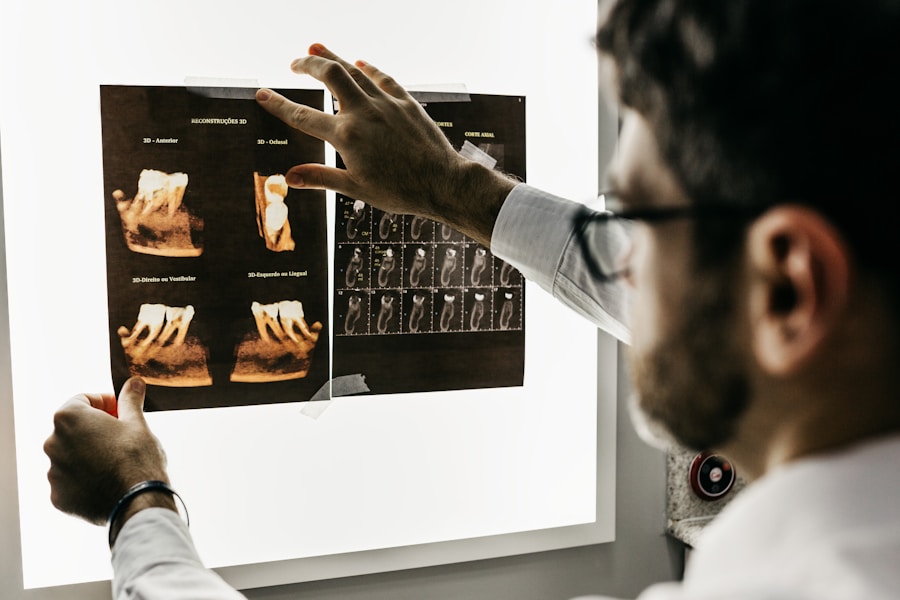
Dentists utilize various diagnostic methods, including visual examination, dental explorers (small pointed instruments used to feel for irregularities), and intraoral X-rays. X-rays are particularly valuable for detecting fractures that are not visible externally, such as root fractures or cracks extending below the gum line. Transillumination, where a light is shone through the tooth, can also help reveal subtle cracks.
Identifying Underlying Issues
Beyond the visible chip, a dentist will assess for any underlying causes or related damage. This might include checking for signs of decay that may have weakened the tooth, evaluating the bite for excessive force on the affected tooth, or inspecting the surrounding gum tissue for any inflammation or injury.
Understanding the Risks of Ignoring a Chipped Tooth
Ignoring a chipped tooth, even a small one, can have unintended consequences. The compromised enamel can become a breeding ground for bacteria, leading to tooth decay. Exposed dentin can result in increased sensitivity and discomfort. In more severe cases, an untreated chip can progress, leading to further fracturing and potentially requiring more extensive and costly dental treatments.
Preventing Further Damage and Decay
A chip creates a rough surface that can trap food particles and plaque, making it harder to clean effectively. This can increase the risk of cavities developing around the fracture. Furthermore, the sharp edge of a chipped tooth can irritate the tongue or gum tissue, leading to sores or further injury.
Long-Term Dental Health Implications
Leaving a chipped tooth untreated can compromise its long-term health and structural integrity. A small chip might evolve into a larger fracture over time due to the forces of chewing and biting. This can lead to pain, infection, and eventually necessitate more complex procedures like root canals or even tooth extraction. Early intervention is key to preventing a cascade of dental problems.




Leave a Reply