This article explores the considerations involved in choosing between dental veneers and dental crowns to enhance your smile. Both treatments offer restorative and aesthetic improvements, but they differ significantly in their application, material, durability, and long-term implications. Understanding these distinctions is crucial for making an informed decision about which option best suits your individual needs and oral health goals. Think of this decision not as a simple choice between two paths, but as selecting the right tool for a specific task; each has its strengths and limitations.
Understanding the Landscape: Veneers and Crowns Defined
Before delving into the comparative aspects, it is important to establish a clear understanding of what veneers and crowns are. While both are prosthetic devices permanently bonded to existing teeth, their fundamental purposes and structural interventions differ.
Dental Veneers: A Cosmetic Facade
Dental veneers are thin, custom-made shells designed to cover the front surface of existing teeth. They are primarily used for cosmetic enhancement, addressing issues such as discoloration, minor chips, gaps, and irregularities in tooth shape or size. Imagine them as a meticulously crafted new facade for a building; they change the exterior appearance without altering the foundational structure significantly.
Dental Crowns: A Protective Helmet
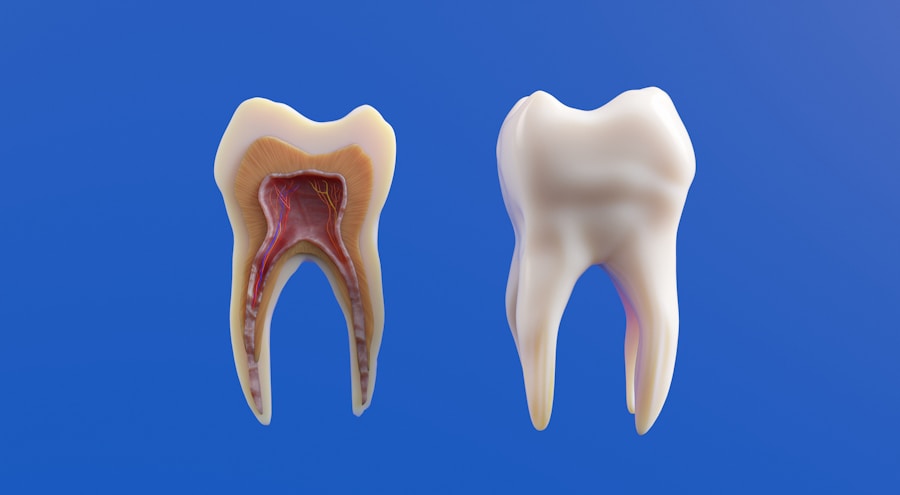
Dental crowns, conversely, are tooth-shaped caps that encase the entire visible portion of a tooth, above the gum line. Their primary function is to restore a tooth’s strength, shape, size, and appearance, particularly when the tooth has been significantly damaged by decay, fracture, or wear. Consider a crown a protective helmet for a compromised tooth; it provides structural integrity and covers all exposed surfaces.
The Application Process: From Consultation to Completion
The journey to a dream smile, whether through veneers or crowns, involves a structured process beginning with an initial consultation and culminating in the permanent placement of the restoration. While some steps overlap, key differences exist in the preparatory stages.
Veneer Placement: Minimally Invasive Reshaping
The application of veneers is generally considered a less invasive procedure compared to crown placement.
Initial Consultation and Planning: Blueprinting Your Smile
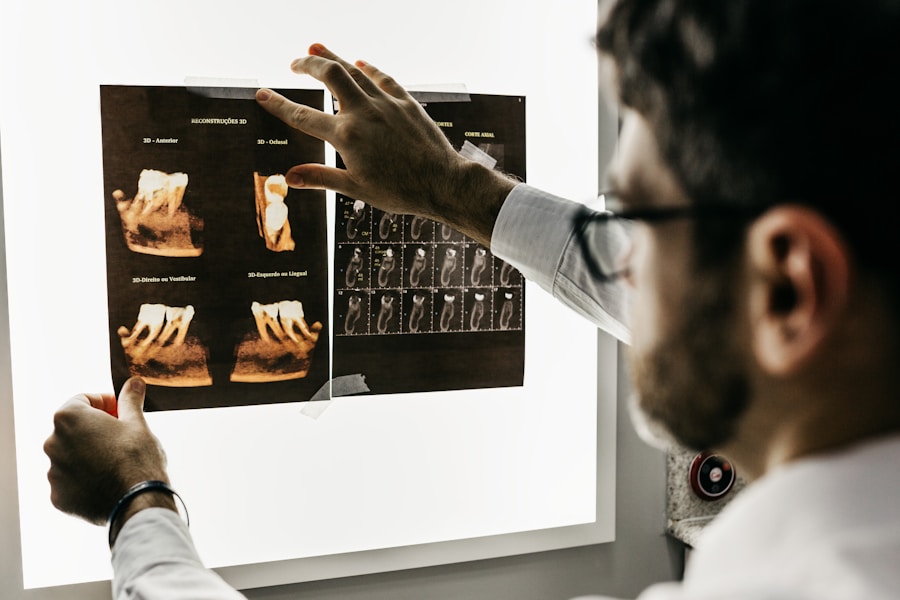
This stage involves a thorough examination of your oral health, including X-rays and impressions. Your dentist will discuss your aesthetic goals, assess the suitability of veneers, and develop a personalized treatment plan. This is where your vision truly begins to take shape, serving as the blueprint for the final outcome.
Tooth Preparation: A Subtle Reduction
For traditional veneers, a minimal amount of enamel, typically less than 0.5 millimeters, is removed from the front surface of the tooth. This preparation creates space for the veneer, ensuring a natural appearance and preventing an overly bulky result. It is akin to sanding a surface lightly to allow a new layer to adhere smoothly.
Impression Taking and Temporary Placement: The Interim Stage
After preparation, impressions of your teeth are taken and sent to a dental laboratory, where your custom veneers are fabricated. In some cases, temporary veneers may be placed to protect the prepared teeth while the permanent ones are being made.
Bonding the Veneers: The Final Adhesion
Once the permanent veneers are ready, your dentist will clean, polish, and etch the tooth surface, then apply a special adhesive to bond the veneer securely. The veneer is then carefully positioned and light-cured to ensure a strong, lasting bond. This is the moment when the new facade is permanently affixed.
Crown Placement: Comprehensive Tooth Reconstruction
The process for placing a dental crown involves more extensive tooth preparation due to its encompassing nature.
Initial Consultation and Diagnosis: Assessing the Damage
Similar to veneers, a comprehensive examination, including X-rays, is conducted to assess the extent of tooth damage, determine the need for a crown, and plan the restorative process. This assessment is critical to ensure the underlying tooth structure is sound enough to support a crown.
Tooth Preparation: Substantial Reduction
Significantly more tooth structure is removed for a crown compared to a veneer. The tooth is reshaped on all sides and the chewing surface to accommodate the crown, ensuring a proper fit and preventing interference with your bite. Imagine shaping a piece of wood to fit perfectly within a specific opening; the reduction is more extensive.
Impression Taking and Temporary Crown: Protecting the Prepared Tooth
After preparation, impressions are taken and sent to a lab for crown fabrication. A temporary crown is always placed to protect the prepared tooth from sensitivity, further damage, and to maintain function and aesthetics while the permanent crown is being made. This temporary crown acts as a placeholder and protector.
Cementing the Crown: The Permanent Seal
When the permanent crown is ready, your dentist will check its fit, color, and bite. Once satisfactory, the crown is cemented onto the prepared tooth using a strong dental adhesive. This final step secures the protective helmet in place.
Material Matters: Composition and Properties
The materials used for veneers and crowns are a critical factor influencing their aesthetics, durability, and suitability for various dental situations.
Veneer Materials: Primarily Porcelain
The vast majority of veneers are made from porcelain, a ceramic material known for its aesthetic qualities.
Porcelain Veneers: Aesthetic Excellence
Porcelain veneers are highly prized for their ability to mimic the translucency and light-reflecting properties of natural tooth enamel. They are also highly stain-resistant, making them a popular choice for cosmetic enhancements. Their strength, while sufficient for the front surface of teeth, is not designed for heavy biting forces.
Crown Materials: A Spectrum of Options
Crowns offer a wider range of material choices, each with distinct advantages.
Porcelain-Fused-to-Metal (PFM) Crowns: A Blend of Strength and Aesthetics
These crowns feature a metal base for strength, covered by a layer of porcelain for a natural appearance. While durable, the metal substructure can sometimes create a dark line at the gum line, especially as gums recede.
All-Ceramic/All-Porcelain Crowns: High Aesthetics, Modern Durability
Advances in ceramic technology have led to the development of all-ceramic crowns that offer excellent aesthetics, closely matching natural teeth. Materials like zirconia and E-max are increasingly used due to their impressive strength and biocompatibility, particularly in visible areas. These are like high-tech armor that also looks natural.
Metal Crowns (Gold Alloys, Base Metal Alloys): Untapped Strength
Metal crowns, often made of gold alloys or base metal alloys, are exceptionally strong and highly durable. Their primary drawback is their metallic appearance, which typically limits their use to molars or areas not visible when smiling. They are the workhorses of restorative dentistry.
Longevity and Maintenance: Sustaining Your Investment
To maximize the lifespan of your veneers or crowns, diligent oral hygiene and regular dental check-ups are essential. Both restorations are designed to be durable, but their lifespan can be influenced by various factors.
Veneer Longevity: A Decade or More
With proper care, porcelain veneers can last anywhere from 10 to 15 years, and in some cases, even longer.
Oral Hygiene for Veneers: Gentle and Consistent
Brushing twice daily with a non-abrasive toothpaste and flossing regularly is crucial to prevent decay around the veneer margins and maintain gum health. Avoid using abrasive dental products that could scratch the veneer surface.
Protection from Damage: Avoiding Extreme Forces
While durable, veneers can chip or fracture under excessive force. Avoid biting on hard objects like ice, nuts, or popcorn kernels, and address any teeth grinding (bruxism) with a nightguard. This is like protecting a delicate finish from impact.
Crown Longevity: A Lasting Restoration
Dental crowns typically have a lifespan of 5 to 15 years, with some lasting even longer depending on the material, oral hygiene, and individual bite forces.
Oral Hygiene for Crowns: Standard Practices
Similar to natural teeth, crowns require consistent brushing and flossing to prevent plaque buildup and gum inflammation around the crown. The crown itself is impervious to decay, but the underlying tooth structure and gum tissues remain vulnerable.
Addressing Parafunctional Habits: Safeguarding Durability
Bruxism or clenching can place undue stress on crowns, leading to wear, chipping, or even loosening. A custom-fitted nightguard can significantly protect crowns from these forces.
Cost Considerations: An Investment in Your Smile
The financial investment for veneers and crowns can vary significantly based on several factors, including material, complexity of the case, geographic location, and the dentist’s fees. It’s important to view this as an investment in your oral health and confidence.
Veneer Costs: Per Tooth Basis
Veneers are typically priced on a per-tooth basis, with the total cost depending on the number of teeth being treated. While the initial outlay might seem substantial, consider the cosmetic benefits and the potential boost to self-esteem.
Crown Costs: Varying by Material and Complexity
Crown costs also vary per tooth, with porcelain-fused-to-metal and all-ceramic crowns generally falling into a similar price range. Metal crowns, while robust, may sometimes be less expensive but come with a esthetic trade-off. Complex cases requiring additional procedures like root canals before crowning will increase the overall cost.
Making the Right Choice: Veneer or Crown?
The decision between veneers and crowns is a complex one, requiring careful consideration of your specific dental needs, aesthetic goals, and long-term expectations. This is not a one-size-fits-all solution; think of it as tailoring a suit – it must fit your unique contours perfectly.
When Veneers Are the Preferred Option: Cosmetic Enhancements
Veneers are primarily indicated for addressing cosmetic concerns on otherwise healthy teeth.
Minor Aesthetic Imperfections: Surface-Level Changes
If your teeth are generally healthy and strong but exhibit issues such as discoloration, minor chips, small gaps, or slight misalignments, veneers can provide a dramatic aesthetic improvement with minimal tooth reduction.
Intact Tooth Structure: Preserving Natural Enamel
When the underlying tooth structure is largely intact and sound, veneers offer a conservative approach to enhancing appearance, preserving more of your natural tooth compared to crowns.
When Crowns Are the Necessary Solution: Restoring Compromised Teeth
Crowns are chosen when a tooth has sustained significant damage or requires substantial structural support.
Extensive Damage or Decay: Structural Restoration
If a tooth has a large filling, extensive decay, fractures, or has undergone a root canal procedure, a crown is often the restorative treatment of choice. It encapsulates the tooth, providing strength and protection against further damage. Imagine rebuilding a damaged wall with a sturdy new facade that also reinforces the entire structure.
Weakened Tooth Structure: Comprehensive Protection
Teeth that are severely worn down, cracked, or weak due to large fillings may benefit from the comprehensive coverage and reinforcement provided by a crown, preventing further breakdown.
Post-Root Canal Treatment: Safeguarding the Devitalized Tooth
After a root canal, a tooth often becomes more brittle due to the removal of the pulp. A crown is typically recommended to protect the devitalized tooth from fracture and restore its strength and function.
In conclusion, both veneers and crowns are valuable tools in modern dentistry, each serving distinct purposes. Veneers are the meticulous artisans of aesthetics, transforming smiles with minimal intervention, while crowns are the structural engineers, rebuilding and protecting compromised teeth. A thorough consultation with your dentist, including a detailed examination and discussion of your objectives, is the most crucial step in navigating this choice. Your dentist will act as your guide, helping you weigh the pros and cons to determine which option is the optimal pathway to achieving your dream smile, ensuring both beauty and lasting oral health.