Maintaining the strength and appearance of tooth enamel is a significant aspect of oral hygiene. While many commercial products aim to whiten teeth, individuals often seek natural alternatives that may offer a gentler approach without compromising enamel integrity. This article explores methods for naturally enhancing tooth brightness while prioritizing enamel health.
Understanding Tooth Discoloration
Tooth discoloration can stem from various internal and external factors. Understanding these causes is the first step in addressing them.
Intrinsic Discoloration
Intrinsic discoloration originates from within the tooth structure.
Developmental Factors
The development of teeth, particularly during childhood and adolescence, can be affected by certain conditions. For example, excessive fluoride intake during tooth formation can lead to dental fluorosis, characterized by white spots or striations on the enamel. Certain medical conditions, such as jaundice or certain metabolic disorders, can also impact tooth color.
Medications
Some medications, particularly those taken during crucial developmental periods, can cause intrinsic staining. Tetracycline antibiotics, for instance, can lead to brownish or grayish discoloration if administered to children whose teeth are still forming. Chemotherapy drugs and certain antihistamines have also been linked to tooth discoloration.
Trauma
A physical injury to the tooth, even one that does not result in a visible crack, can damage the pulp (the inner living tissue) and lead to internal bleeding. This blood can then discolor the tooth over time, often appearing as a gray or brownish hue.
Extrinsic Discoloration
Extrinsic discoloration affects the outer surface of the enamel. These stains are typically the result of external agents.
Diet and Beverages
Many common foods and drinks contain chromogens, which are pigment-producing substances that can adhere to tooth enamel.
Coffee and Tea
The tannins present in coffee and tea are well-known culprits for staining. These compounds create a film on the tooth surface, and their pigments can then bind to the enamel.
Red Wine
Red wine, another popular beverage, also contains tannins and anthocyanins, which are potent staining agents. The acidity of wine can also slightly roughen the enamel surface, making it more susceptible to stain absorption.
Berries and Colored Foods
Dark-colored fruits like blueberries, blackberries, and cherries can leave temporary stains on teeth. Highly pigmented foods such as tomato sauce and curry can also contribute to extrinsic discoloration if consumed regularly.
Tobacco Products
The use of tobacco, whether smoked or chewed, is a significant contributor to severe tooth discoloration.
Smoking
Cigarette smoke contains tar and nicotine, which create a yellowish-brown residue that is difficult to remove. This staining can become deeply embedded in the enamel over time.
Chewing Tobacco
Chewing tobacco also introduces staining agents directly onto the teeth, often resulting in distinct brown or black stains on the areas where the tobacco is held.
Poor Oral Hygiene
Inadequate brushing and flossing allow plaque and food debris to accumulate on the teeth. This buildup can harbor bacteria that produce acids, leading to enamel erosion, and can also trap pigments from food and drinks, exacerbating discoloration.
Natural Whitening Agents: A Closer Look
Several natural substances have gained a reputation for their teeth-whitening properties. It is crucial to approach these methods with caution, understanding their mechanisms and potential impact on enamel.
Baking Soda (Sodium Bicarbonate)
Baking soda is a mild abrasive that can help remove surface stains. Its alkaline nature may also create an environment less favorable to bacteria.
Mechanism of Action
Baking soda works through mechanical abrasion. When mixed with water to form a paste, the fine particles can scrub away superficial pigments from the enamel. This process is similar to how a mild exfoliant works on skin.
Application Methods
- Baking Soda Paste: Combine a small amount of baking soda with water to create a paste. Apply to a toothbrush and brush gently for approximately two minutes, then rinse thoroughly. This method can be used sparingly, perhaps once or twice a week.
- Baking Soda Mouthwash: Dissolve half a teaspoon of baking soda in a glass of water and swish it around the mouth. This can help freshen breath and may offer a mild cleaning effect.
Precautions
While generally considered safe when used in moderation, the abrasive nature of baking soda necessitates caution. Overuse or vigorous brushing with baking soda can wear down enamel over time, leading to increased sensitivity and making teeth more vulnerable to decay. It is advisable to limit its use to prevent damage.
Hydrogen Peroxide (Diluted)
Diluted hydrogen peroxide solutions are a common ingredient in commercial teeth whiteners. In low concentrations, it can break down stain molecules.
Mechanism of Action
Hydrogen peroxide is an oxidizing agent. When applied to teeth, it releases oxygen molecules that penetrate the enamel and break down the large, colored molecules that cause stains into smaller, colorless ones.
Application Methods
- Hydrogen Peroxide Mouthwash: Mix a 3% hydrogen peroxide solution with an equal amount of water. Swish this diluted solution in the mouth for 30-60 seconds, then spit it out and rinse with plain water. This should be done infrequently, perhaps once a week.
- Hydrogen Peroxide and Baking Soda Paste (with caution): Some individuals create a paste using a small amount of baking soda and a few drops of diluted hydrogen peroxide. This combination should be used with extreme care due to the combining abrasive and chemical action.
Precautions
It is imperative to use only low-concentration (3%) hydrogen peroxide, and always dilute it with water. Higher concentrations or prolonged exposure can cause gum irritation, tooth sensitivity, and enamel erosion. Never swallow hydrogen peroxide. Individuals with sensitive teeth or gum disease should consult a dentist before using hydrogen peroxide.
Oil Pulling
Oil pulling is an ancient Ayurvedic practice that involves swishing oil in the mouth to remove bacteria and toxins, which proponents claim can lead to teeth whitening.
Mechanism of Action
The theory behind oil pulling is that as oil is swished around the mouth, it “pulls” out bacteria, fungi, and other debris from the teeth and gums. It is believed that the lipids in the oil bind to these impurities. Some proponents suggest that this process also helps to clean the tooth surface, reducing the adherence of stain-causing particles.
Application Methods
- Coconut Oil: Organic virgin coconut oil is a popular choice due to its lauric acid content, which has antimicrobial properties.
- Technique: Take one tablespoon of oil (coconut oil is common) and swish it vigorously in your mouth for 15-20 minutes. Do not gargle. Spit the oil into a waste bin (not down the sink, as it can clog pipes) and rinse your mouth thoroughly with warm water. This practice is typically done in the morning on an empty stomach.
Precautions
While oil pulling is generally considered safe and may contribute to reduced plaque and improved gum health, scientific evidence directly supporting significant teeth whitening is limited and largely anecdotal. It is not a substitute for regular brushing and flossing.
Lifestyle Adjustments for Brighter Teeth
Beyond direct application of whitening agents, certain lifestyle choices can significantly impact tooth color.
Dietary Modifications
The foods and drinks you consume have a direct and cumulative effect on the appearance of your teeth.
Reducing Stain-Causing Foods and Beverages
Consciously limiting consumption of items known to stain teeth is a proactive approach. This includes:
- Limiting Coffee and Tea: If you are a regular consumer, consider reducing your intake or opting for lighter roasts of coffee, which may have fewer chromogens.
- Moderating Red Wine: Enjoy red wine in moderation.
- Being Mindful of Berries and Pigmented Foods: Consume dark berries and richly colored foods in moderation, and consider rinsing your mouth with water afterward.
Incorporating Enamel-Strengthening Foods
Certain nutrients are vital for building and maintaining strong enamel.
- Calcium-Rich Foods: Dairy products (milk, cheese, yogurt), leafy green vegetables (kale, spinach), and fortified foods are excellent sources of calcium, a fundamental building block of enamel.
- Phosphorus-Rich Foods: Fish, eggs, and lean meats provide phosphorus, which works with calcium to strengthen teeth.
- Crunchy Fruits and Vegetables: Apples, carrots, and celery can act as natural toothbrushes, helping to scrub away debris and stimulate saliva production, which aids in neutralizing acids.
Oral Hygiene Practices
The foundation of both healthy and aesthetically pleasing teeth lies in consistent and effective oral hygiene.
Brushing Techniques
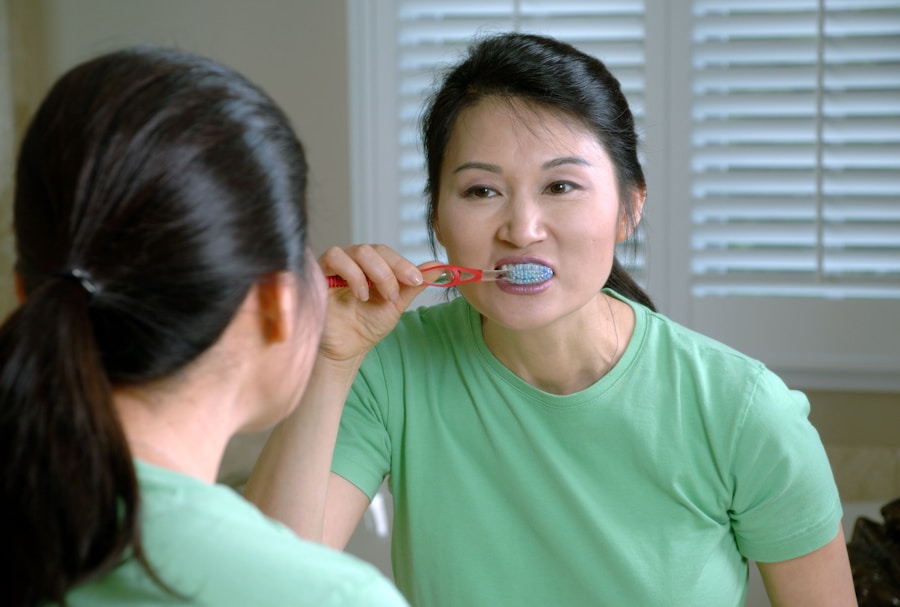
- Frequency and Duration: Brush your teeth at least twice a day for two minutes each time.
- Toothbrush Choice: Use a soft-bristled toothbrush to avoid damaging enamel and gums. Replace your toothbrush every 3-4 months or sooner if the bristles are frayed.
- Proper Technique: Use gentle, circular motions, focusing on all surfaces of the teeth – front, back, and chewing surfaces. Avoid aggressive back-and-forth scrubbing, which can wear down enamel.
Flossing
Flossing is crucial for removing plaque and food particles from between teeth and along the gumline, areas that a toothbrush cannot reach.
- Daily Routine: Floss at least once a day.
- Technique: Gently slide the floss between teeth and curve it into a C-shape around each tooth. Move the floss up and down against the tooth surface and under the gumline.
Mouthwash Use
While not a replacement for brushing and flossing, certain mouthwashes can offer supplementary benefits.
- Therapeutic Mouthwashes: Consider using a fluoride mouthwash to strengthen enamel and prevent cavities. Antimicrobial mouthwashes can help reduce bacteria that contribute to plaque and gum disease.
- Natural Alternatives (with caution): Some natural mouthwashes may use ingredients like peppermint oil or tea tree oil for their antimicrobial properties. However, ensure they are diluted appropriately and do not contain ingredients that could irritate oral tissues.
Potential Risks and Considerations
While natural methods are often perceived as safer, they are not without potential drawbacks. It is essential to approach them with an informed perspective.
Enamel Erosion
The primary concern with many DIY whitening methods is the potential for enamel erosion. Enamel is the outermost layer of the tooth and is critical for protection. Once lost, it does not regenerate.
Acidic Agents
Many natural ingredients, such as lemon juice or vinegar (often mistakenly suggested for whitening), are highly acidic. These acids can dissolve tooth enamel, causing it to thin and become more transparent. This can make teeth appear yellower, as the underlying dentin is exposed, and can also lead to increased sensitivity.
Abrasive Scrubbing
Overly vigorous brushing with abrasive substances like baking soda can physically wear away enamel. This is akin to sanding down a surface; repeated abrasion will diminish its thickness.
Gum Irritation and Sensitivity
Some natural whitening agents can irritate the delicate gum tissues, leading to redness, swelling, and discomfort. This can be particularly problematic for individuals with existing gum sensitivity or periodontal disease.
Chemical Reactions
Certain substances, like undiluted hydrogen peroxide, can cause chemical burns on the gums, leading to pain and temporary tissue damage. Even diluted solutions, if used too frequently or for too long, can cause sensitivity.
Ineffectiveness and False Expectations
It is important to manage expectations. Natural methods are generally less potent than professional treatments and may only offer mild improvements for mild staining. Relying solely on these methods for significant discoloration might lead to disappointment and continued exposure to potentially harmful substances in an attempt to achieve unrealistic results.
When to Consult a Dental Professional
Understanding the limits of natural remedies and knowing when to seek professional guidance is crucial for safe and effective oral health management.
Persistent Discoloration
If natural methods do not yield desired results, or if discoloration is significant and persistent, a dental professional can offer effective solutions. Dentists have access to professional-grade whitening treatments that are both safe and highly effective.
Underlying Dental Issues
Sometimes, tooth discoloration can be a symptom of an underlying dental problem.
- Cavities: Untreated cavities can lead to internal tooth decay and discoloration.
- Cracked Teeth: As mentioned earlier, trauma that leads to a cracked tooth can cause internal bleeding and staining.
- Gum Disease: Advanced gum disease can affect the health of the supporting bone and tissues, which can indirectly influence the appearance of teeth.
A dentist can diagnose these issues and recommend appropriate treatment.
Personalized Advice
Every individual’s oral health is unique. A dentist can assess your specific needs, including the cause of your discoloration, your enamel’s condition, and your overall oral hygiene. This allows for personalized recommendations for safe and effective whitening or maintenance strategies.
Professional Whitening Options
Dentists offer various professional whitening treatments, including:
- In-Office Whitening: This is a rapid and effective treatment performed by a dental hygienist or dentist.
- Custom Whitening Trays: These trays are fitted to your teeth, allowing for precise application of a professional-strength whitening gel at home.
These treatments are administered under controlled conditions, minimizing the risk of side effects like gum irritation or enamel damage, and are far more potent than most natural remedies. Consulting your dentist ensures that any whitening efforts are undertaken safely and effectively, preserving the health and integrity of your teeth.