When blood appears during brushing or flossing, it’s often a cause for concern. While commonly associated with gum disease, bleeding gums can be a symptom of various underlying issues, some of which extend beyond oral hygiene. Understanding these less obvious factors is crucial for effective diagnosis and treatment. This article explores unexpected causes of bleeding gums, offering insights into their mechanisms and implications.
Beyond Gingivitis: Systemic Conditions and Their Oral Manifestations
While plaque-induced gingivitis remains the most frequent culprit, a broader perspective reveals systemic health conditions can present with bleeding gums as a primary or secondary symptom. Your mouth, in essence, can act as a window into your general health.
Diabetes Mellitus
Diabetes, a chronic metabolic disorder affecting millions globally, is a significant contributor to gum issues. Elevated blood sugar levels create a cascade of biochemical changes that impair the body’s ability to heal and fight infection.
- Impaired Immune Response: Diabetics often exhibit a diminished immune response, making them more susceptible to bacterial infections, including those that cause gum disease. This compromised defense mechanism allows plaque bacteria to colonize and trigger an inflammatory reaction more aggressively.
- Reduced Blood Flow: Persistent hyperglycemia can damage small blood vessels, leading to microangiopathy. This reduction in blood flow to the gums, much like a parched landscape, impedes oxygen and nutrient delivery, hindering tissue repair and making them more fragile and prone to bleeding.
- Increased Inflammation: Diabetic individuals tend to have an exaggerated inflammatory response. When plaque is present, their immune system overreacts, leading to more extensive tissue destruction and increased bleeding from the delicate gum margins.
Autoimmune Diseases
Autoimmune conditions, where the body’s immune system mistakenly attacks its own healthy tissues, can manifest in the oral cavity, including bleeding gums. These conditions essentially turn the body’s defenses against itself, creating internal conflict.
- Lupus Erythematosus: Systemic lupus erythematosus (SLE) can cause oral lesions, including ulcers and erosions, which may bleed easily. The chronic inflammation associated with lupus can also exacerbate gum tissue fragility.
- Pemphigus and Pemphigoid: These are blistering diseases that can affect mucous membranes, including the gums. The fragile blisters rupture readily, leaving raw, bleeding surfaces. The epithelial attachment to the underlying connective tissue is compromised, leading to a loss of structural integrity.
- Sjögren’s Syndrome: Characterized by dry mouth (xerostomia), Sjögren’s syndrome reduces salivary flow. Saliva plays a vital role in washing away food particles and neutralizing acids. Its absence creates a more acidic and less protected oral environment, increasing the risk of gingivitis and subsequent bleeding.
Blood Disorders
Disorders affecting blood clotting or platelet function can significantly impact bleeding tendencies throughout the body, including the gums. Imagine the body’s clotting mechanism as a dam; if it’s compromised, even minor disruptions can lead to significant leakage.
- Thrombocytopenia: This condition involves a low platelet count. Platelets are crucial for initiating the clotting process. With insufficient platelets, gums may bleed spontaneously or with minimal trauma.
- Leukemia: Certain types of leukemia, particularly acute myeloid leukemia, can present with gingival enlargement and bleeding. The abnormal proliferation of white blood cells within the gum tissue can alter its structure and vascularity.
- Hemophilia and Von Willebrand Disease: These are inherited bleeding disorders characterized by deficiencies in specific clotting factors. Even minor gum irritation can lead to prolonged and excessive bleeding in affected individuals.
Nutritional Deficiencies: A Hidden Culprit
Your body requires a spectrum of nutrients to maintain healthy tissues, and a deficiency in certain vitamins can directly impact gum health and resilience. Think of these vitamins as the foundational building blocks for a strong and stable structure; without them, the edifice crumbles.
Vitamin C Deficiency (Scurvy)
Though rare in developed nations, severe vitamin C deficiency, historically known as scurvy, was once a widespread cause of severe gum bleeding. Vitamin C is a powerful antioxidant and a critical cofactor in collagen synthesis.
- Collagen Synthesis: Collagen is the primary structural protein found in connective tissues, including gums and blood vessels. Without adequate vitamin C, collagen production is impaired, leading to weak, fragile capillaries and gums that bleed easily.
- Immune Function: Vitamin C also plays a role in immune function. A deficiency can further compromise the body’s ability to resist oral infections.
Vitamin K Deficiency
Vitamin K is essential for the synthesis of several clotting factors in the liver. A deficiency can directly impair the blood’s ability to coagulate, leading to increased bleeding tendencies.
- Coagulation Cascade: Vitamin K is a key player in the intricate coagulation cascade, a series of reactions that lead to clot formation. Its absence effectively puts a wrench in this vital process.
- Causes of Deficiency: While rare, vitamin K deficiency can arise from malabsorption issues, certain medications (e.g., broad-spectrum antibiotics), or severe liver disease that impairs its synthesis.
Medications: Unintended Side Effects
Many commonly prescribed medications can have oral side effects, including an increased propensity for gum bleeding. It’s akin to having a well-intended solution produce an unforeseen problem as a byproduct.
Anticoagulants (Blood Thinners)
Drugs like warfarin, heparin, and direct oral anticoagulants (DOACs) are prescribed to prevent blood clots. Their primary mechanism involves reducing the blood’s ability to clot, which can predictably lead to increased bleeding from the gums.
- Mechanism of Action: These medications interfere with various stages of the clotting cascade, making individuals more prone to bleeding, even from minor trauma during brushing or flossing.
- Management: While these medications are crucial for cardiovascular health, patients on anticoagulants require careful instruction on gentle oral hygiene techniques and prompt reporting of excessive bleeding to their healthcare provider. Dental procedures may require temporary adjustments to medication dosages under medical supervision.
Antiplatelet Drugs
Aspirin and clopidogrel are examples of antiplatelet medications commonly used to prevent heart attacks and strokes. They work by inhibiting platelet aggregation, preventing the formation of blood clots.
- Platelet Dysfunction: By directly affecting platelet function, these drugs reduce the primary “sticky” component of blood, making it harder for the body to form a plug at sites of injury, including the gums.
- Increased Risk with Inflammation: When coupled with underlying gingivitis, the effects of antiplatelet drugs can amplify gum bleeding.
Certain Antihypertensives and Immunosuppressants
Some medications, while not directly impacting coagulation, can induce gingival enlargement (overgrowth of gum tissue), making it more challenging to clean effectively and increasing the risk of inflammation and bleeding. This is like building a dense forest around a delicate structure, making maintenance difficult.
- Calcium Channel Blockers: Nifedipine, amlodipine, and verapamil, used to treat high blood pressure and angina, are known to cause gingival overgrowth in some individuals.
- Cyclosporine: This immunosuppressant, used in organ transplant recipients and for autoimmune diseases, also has a notable side effect of gingival hyperplasia.
- Phenytoin: An anticonvulsant medication, phenytoin is another well-documented cause of gingival overgrowth.
Hormonal Fluctuations: A Biological Tides
Hormones wield significant influence over various bodily functions, and the oral cavity is not exempt. Fluctuations in hormone levels, particularly those associated with female reproductive cycles, can amplify the body’s inflammatory response to plaque, leading to increased gum bleeding. These changes are like shifts in the internal environment, making tissues more reactive.
Puberty
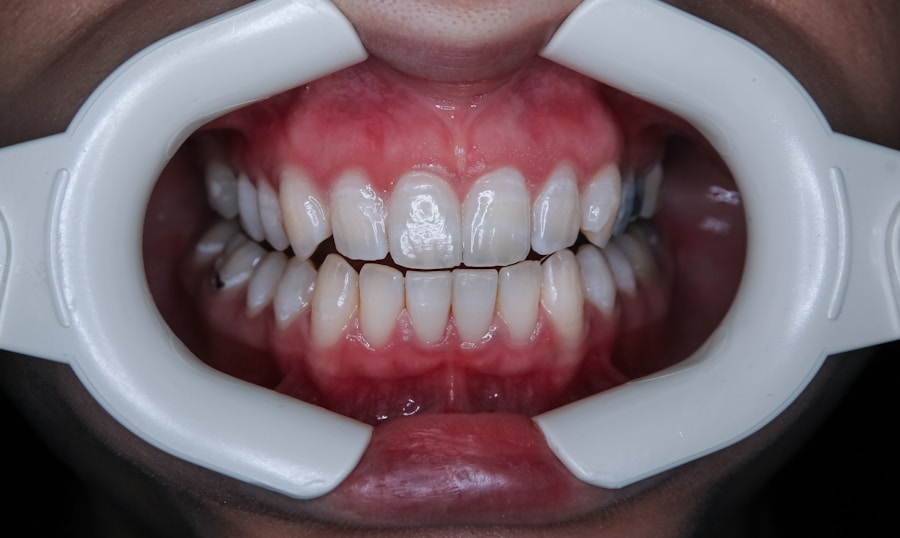
During puberty, rising levels of estrogen and progesterone can increase blood flow to the gums and exaggerate their response to plaque. The gums may become redder, more swollen, and bleed more readily, even in the presence of minimal plaque. This heightened sensitivity can make oral hygiene more challenging.
Menstrual Cycle
Some women experience cyclical gingival inflammation and bleeding around their menstrual period. The hormonal changes around ovulation and menstruation can temporarily increase gum sensitivity and susceptibility to bleeding. This is a transient effect, typically resolving once hormone levels stabilize.
Pregnancy
Pregnancy is a period of dramatic hormonal shifts, particularly elevated levels of estrogen and progesterone. These hormones contribute to what is commonly known as “pregnancy gingivitis.”
- Increased Blood Flow: Hormones increase vascularity and blood flow to the gums, making them more engorged and prone to bleeding.
- Exaggerated Inflammatory Response: Pregnant women often exhibit an exaggerated inflammatory response to plaque bacteria. Even a small amount of plaque can trigger significant inflammation and bleeding.
- Pyogenic Granuloma (Pregnancy Tumor): In some pregnant individuals, localized, non-cancerous growths called pyogenic granulomas can develop on the gums. These lesions are highly vascular and bleed easily.
Menopause
During menopause, declining estrogen levels can lead to various oral changes, including dry mouth and an increased risk of gum problems. The reduction in estrogen can affect bone density, including in the jaw, and may influence the health of connective tissues in the gums. A dry mouth, as discussed earlier, reduces the protective effects of saliva, contributing to gum vulnerability.
Environmental and Lifestyle Factors: Your Oral Habits and Beyond
Beyond systemic health and genetics, daily habits and environmental exposures significantly shape oral health, directly impacting the likelihood of bleeding gums. These are the day-to-day interactions that can either bolster or undermine your oral defenses.
Improper Brushing and Flossing Techniques
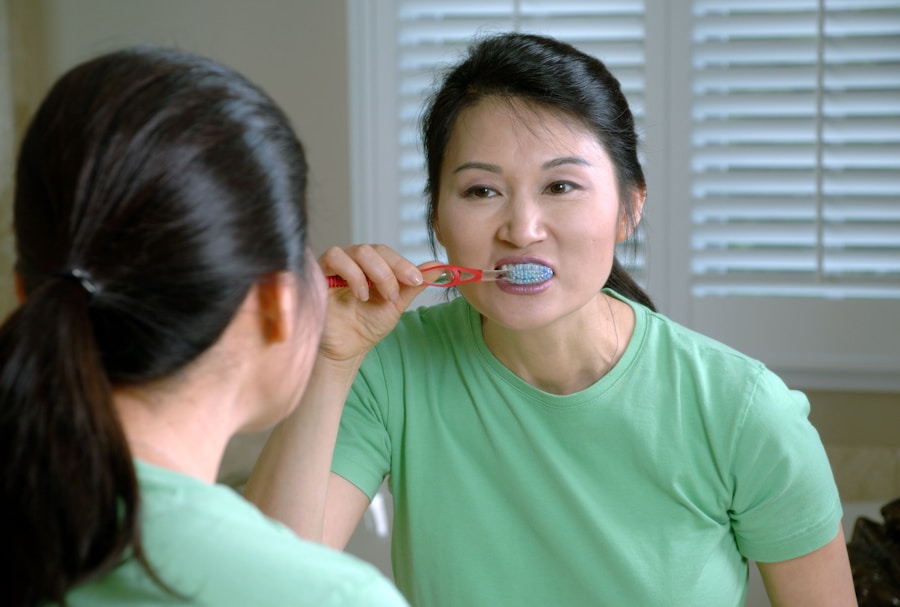
Ironically, the very acts intended to clean your teeth can cause bleeding if performed incorrectly. Aggressive or incorrect techniques can traumatize gum tissue.
- Hard Brushing: Using a hard-bristled toothbrush or applying excessive force can injure the delicate gum margin, leading to abrasions and bleeding. Think of repeatedly scouring a delicate surface with a harsh brush – damage is inevitable.
- Incorrect Flossing: Snapping floss into the gums or sawing back and forth rather than gently curving it around the tooth and sliding it subgingivally can cut the gum tissue, causing bleeding.
- Infrequent Cleaning: Conversely, neglecting oral hygiene allows plaque to accumulate, leading to inflammation and bleeding as the gums react to the bacterial assault. When plaque is present, even gentle cleaning can cause bleeding as the inflamed blood vessels are fragile.
Smoking and Tobacco Use
Tobacco use, in all its forms, is a major risk factor for periodontal disease and can mask the classic symptoms of gingivitis, including bleeding.
- Vasoconstriction: Nicotine causes vasoconstriction, narrowing blood vessels and reducing blood flow to the gums. This can suppress the initial inflammatory response, making it seem like the gums are not bleeding, even when severe inflammation is present. This deceptive calm can lead to delayed diagnosis of advanced gum disease.
- Impaired Healing: Tobacco chemicals impair the immune system’s ability to fight infection and hinder the healing process. This creates a fertile ground for bacterial proliferation and tissue destruction.
- Increased Plaque and Tartar: Smokers often have more tenacious plaque and tartar buildup, which directly irritates the gums and promotes inflammation.
Stress
Chronic stress has a cascading effect on the body’s immune system, potentially exacerbating inflammatory conditions, including gum disease. When under prolonged stress, the body releases hormones that can impair immune function, making it harder to fight off the bacteria responsible for gingivitis. This can transform a minor gum irritation into a more pronounced bleeding episode.
Ill-fitting Restorations or Appliances
Dental work that doesn’t fit properly can create areas where food and plaque accumulate, or can directly irritate the gums. These are like unwanted foreign objects causing persistent friction and irritation.
- Overhanging Fillings: Fillings that extend beyond the tooth margin create a “ledge” where plaque can collect and irritate the gum tissue, making it difficult to clean and leading to localized inflammation and bleeding.
- Poorly Fitted Crowns and Bridges: Crowns or bridges that do not have precise margins can harbor bacteria, similar to overhanging fillings, and can also exert pressure on the gums, causing irritation and bleeding.
- Removable Appliances: Dentures or orthodontic retainers that are ill-fitting can rub against the gums, causing sores and bleeding.
Understanding the multifaceted nature of bleeding gums empowers you to seek appropriate guidance from your dentist or physician. While good oral hygiene is paramount, persistent or unexplained bleeding warrants thorough investigation to uncover any underlying systemic health concerns or other contributing factors. Your gums are, after all, an indicator of your overall well-being.