The human jaw, a complex hinge of bone and muscle, is designed for the fundamental acts of eating and speaking. When pain manifests in a singular, uninvited fashion, targeting one side, it can be a disorienting and concerning experience. This unilateral discomfort can radiate, subtly or intensely, leaving one to ponder the root of the affliction. Uncovering the causes of one-sided jaw pain involves a systematic examination of the structures involved and the potential disruptions to their delicate equilibrium.
Understanding the Anatomy of Unilateral Jaw Pain
The jaw, or mandible, is a single bone, but its articulation with the skull at the temporomandibular joint (TMJ) on each side is a critical point of potential asymmetry. These joints, coupled with the intricate network of muscles responsible for mastication, nerves that relay sensation, and supportive connective tissues, form a sophisticated system. When a problem arises on one side, it’s often a localized issue that impacts the overall function.
The Temporomandibular Joint (TMJ) as a Primary Suspect
The temporomandibular joint is a common culprit when one-sided jaw pain emerges. Think of it as a precisely engineered hinge, allowing for the complex movements of opening, closing, and side-to-side motion of the jaw. When this hinge faces stress or disrepair, it can send signals of distress.
Internal Derangements of the TMJ
- Disc Displacement: Within the TMJ, a cartilaginous disc acts as a cushion and shock absorber. If this disc slips out of its normal position, it can cause clicking, popping, and pain, often localized to the affected side. This is akin to a linchpin in a complex machine becoming loose, leading to erratic movement and friction.
- Arthritis: Like other joints in the body, the TMJ is susceptible to osteoarthritis and rheumatoid arthritis. Degeneration of the joint cartilage can lead to bone-on-bone friction, resulting in pain, stiffness, and limited movement, commonly on one side.
TMJ Dysfunction and Muscular Imbalances
- Muscle Spasms and Hyperactivity: The muscles of mastication, such as the temporalis and masseter muscles, can become tight and spasmed from various factors. When these muscles are overworked or stressed on one side, it can manifest as pain that feels deep within the jaw or radiates to the ear and temple. This is a bit like a tightly wound spring that has lost its flexibility, leading to tension and discomfort.
- Bruxism (Teeth Grinding and Clenching): Unconscious grinding or clenching of the teeth, often occurring during sleep, puts immense pressure on the TMJ and supporting muscles. If this habit is more pronounced on one side, it can lead to localized pain and muscle fatigue.
Dental Issues as a Source of Referred Pain
While the pain might feel like it originates in the jawbone itself, the underlying cause can frequently be found within the teeth and gums. The nerves supplying the teeth are intricately connected to the nerves of the jaw, allowing for referred pain to be a misleading symptom.
Dental Infections and Abscesses
- Tooth Abscess: An infection at the root of a tooth, forming an abscess, can create significant inflammation and pain. This pain can diffuse and become perceived as originating in the jawbone, often on the same side as the affected tooth. It’s like a localized wildfire spreading its smoke and heat, making the source seem distant.
- Periodontal Disease (Gum Disease): Advanced gum disease can lead to bone loss around the teeth, affecting their stability and causing inflammation that can radiate into the jaw.
Cavities and Pulpitis
- Deep Cavities: When decay reaches the pulp of a tooth (the inner nerve-containing tissue), it can become inflamed and sensitive, causing sharp, shooting pains that can be felt in the jaw.
- Cracked or Fractured Teeth: A fracture in a tooth, especially if it extends into the pulp, can elicit pain when biting or exposed to temperature changes, which can be misattributed to the jaw.
Nerve-Related Causes of Unilateral Jaw Pain
The trigeminal nerve, the fifth cranial nerve, is the primary sensory nerve for the face, including the jaw, teeth, and gums. Irritation or compression of this nerve can lead to a range of pain sensations.
Trigeminal Neuralgia
- Characteristic Pain: Trigeminal neuralgia is a condition characterized by sudden, severe, and often brief episodes of electric shock-like or stabbing pain in the face, typically along the distribution of the trigeminal nerve. While it can affect both sides, it often strikes one side predominantly, directly impacting the jaw region. This is like a faulty electrical wire in the facial circuitry, sending erratic jolts of pain.
- Triggers: The pain of trigeminal neuralgia can be triggered by innocuous stimuli such as touching the face, chewing, speaking, or even a cool breeze.
Other Nerve Irritations
- Dental Anesthesia Complications: Rarely, complications from dental procedures involving anesthesia can lead to temporary or persistent nerve irritation, presenting as jaw pain.
- Post-Herpetic Neuralgia: Following a shingles outbreak in the facial area, nerve damage can sometimes persist, leading to chronic pain that may include the jaw.
Sinus Infections and Their Impact on the Jaw
The maxillary sinuses, located in the cheekbones above the upper teeth, share adjacent structures and nerve pathways with the jaw. Inflammation and pressure within these sinuses can therefore lead to referred pain in the jaw.
Maxillary Sinusitis
- Pressure and Pain: When the maxillary sinuses become infected or inflamed, the accumulated mucus and pressure can press on the nerves that also supply sensation to the upper jaw. This often results in a dull, throbbing ache in the cheekbone and upper teeth/jaw area, typically on the affected side of the sinus infection. It’s like a balloon inflating in a confined space, pushing on surrounding structures.
- Symptoms: Other symptoms of sinusitis, such as nasal congestion, facial pressure, and post-nasal drip, can help differentiate this cause from purely dental or TMJ issues.
Systemic Conditions and Less Common Causes
While less frequent, certain systemic medical conditions can also manifest with unilateral jaw pain. These are like the subtle currents beneath the surface, influencing the overall health and potentially causing localized symptoms.
Referred Pain from Other Areas
- Ear Infections (Otitis Media): Infections of the middle ear can sometimes refer pain to the jaw, particularly if the infection is on the same side.
- Neck Issues: Problems with the cervical spine or the musculature of the neck can, in some instances, lead to referred pain that is perceived in the jaw.
Rare but Serious Causes
- Tumors: Although uncommon, tumors affecting the jawbone, nerves, or surrounding tissues can present with one-sided jaw pain. Prompt medical evaluation is crucial if other symptoms accompany the pain, such as swelling, numbness, or unexplained weight loss.
- Vascular Issues: In very rare cases, conditions affecting blood vessels in the head and neck could potentially contribute to jaw pain.
Diagnosing the Source: A Multifaceted Approach
Pinpointing the exact reason for one-sided jaw pain requires a comprehensive diagnostic process. The journey begins with a detailed history and physical examination, much like a detective piecing together clues.
The Importance of a Thorough Patient History
- Pain Characteristics: Understanding the nature, intensity, duration, and triggers of the pain is paramount. Is it sharp, dull, throbbing? Does it worsen with chewing, speaking, or at rest?
- Associated Symptoms: Identifying other symptoms, such as clicking in the jaw, earaches, headaches, nasal congestion, or tooth sensitivity, helps narrow down the possibilities.
- Lifestyle Factors: Information about stress levels, sleep habits (bruxism), diet, and any history of trauma to the head or jaw is also valuable.
Physical Examination and Palpation
- TMJ Assessment: The examiner will assess the range of motion of the jaw, listen for clicking or popping sounds, and palpate the TMJ for tenderness or swelling.
- Musculature Evaluation: The muscles of mastication will be examined for tenderness, tension, or trigger points.
- Dental and Oral Cavity Inspection: A thorough examination of the teeth, gums, and oral mucosa is essential to rule out dental issues.
Advanced Diagnostic Tools
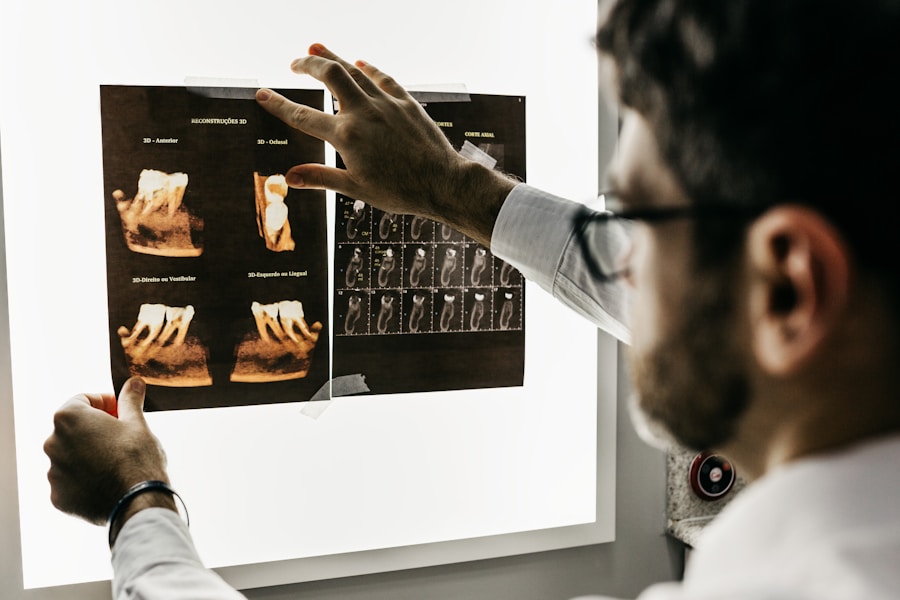
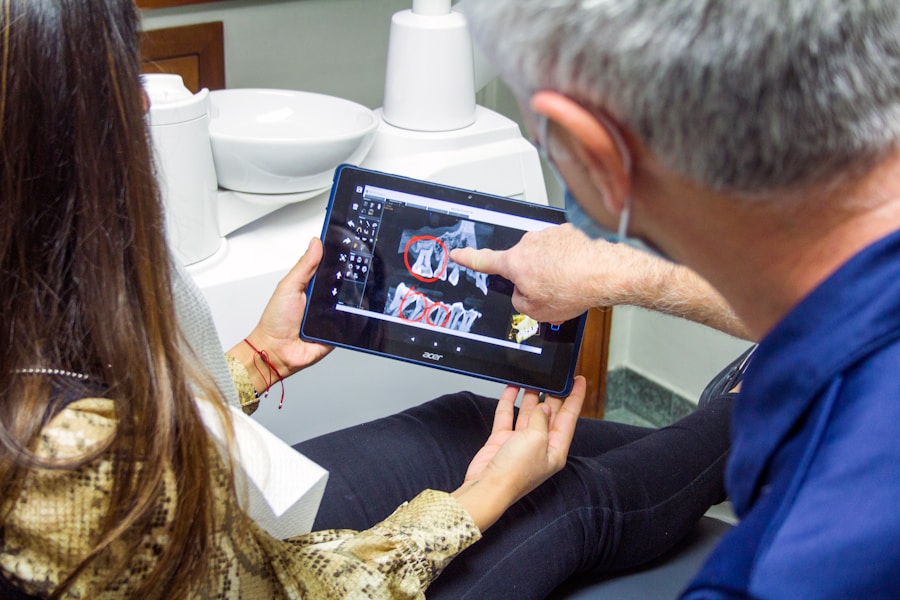
- Dental X-rays: These are crucial for identifying cavities, bone loss around the teeth, impacted teeth, or signs of infection at the root.
- Imaging Studies:
- CT Scans: Computed tomography scans can provide detailed cross-sectional images of the bone and soft tissues of the jaw and TMJ, useful for identifying structural abnormalities, fractures, or tumors.
- MRI Scans: Magnetic resonance imaging is particularly helpful in visualizing the soft tissues, including the TMJ disc, muscles, and nerves, aiding in the diagnosis of disc displacement or soft tissue inflammation.
- Neurological Evaluation: In cases where nerve involvement is suspected, a neurologist may be consulted for further assessment.
Treatment Pathways: Addressing the Root Cause
The treatment for one-sided jaw pain is as varied as its causes. The goal is not merely to mask the pain but to address the underlying condition.
Managing TMJ Disorders
- Conservative Treatments:
- Lifestyle Modifications: Reducing stress, applying moist heat or cold packs, and avoiding foods that require excessive chewing are often initial recommendations.
- Oral Appliances: Custom-fitted splints or mouthguards can help reduce the effects of bruxism and reposition the jaw to alleviate pressure on the TMJ.
- Physical Therapy: Exercises and manual therapy can help improve jaw mobility, reduce muscle tension, and correct postural imbalances.
- Medications:
- Pain Relievers: Over-the-counter anti-inflammatories (NSAIDs) or prescription pain medications may be used for short-term relief.
- Muscle Relaxants: In cases of significant muscle spasms, these can be prescribed.
- Interventional Procedures: In more severe or persistent cases, injections into the TMJ or surrounding muscles might be considered.
- Surgery: Surgical intervention is typically a last resort, considered only when conservative treatments have failed and significant structural damage is present.
Dental Interventions
- Restorative Dentistry: Addressing cavities with fillings or crowns, and treating cracked teeth, resolves the source of pain.
- Endodontic Treatment (Root Canal Therapy): This is performed to remove infected pulp from a tooth, thereby eliminating the source of an abscess.
- Periodontal Treatment: Gums disease treatment aims to halt bone loss and reduce inflammation.
- Tooth Extraction: In severe cases of infection or irreparable damage, extraction may be necessary.
Nerve Pain Management
- Medications: Anticonvulsant medications (e.g., carbamazepine, gabapentin) are often the first-line treatment for trigeminal neuralgia, as they can calm the overactive nerve signals.
- Nerve Blocks: Injections of local anesthetics or steroids can provide temporary relief by numbing the affected nerve.
- Surgical Options: For severe, intractable trigeminal neuralgia, surgical procedures that aim to relieve pressure on the nerve or interrupt its pain signals may be considered.
Addressing Sinus Issues
- Antibiotics: If a bacterial sinus infection is diagnosed, antibiotics will be prescribed.
- Decongestants and Nasal Sprays: These can help reduce swelling and improve drainage.
- Saline Rinses: Rinsing the nasal passages can help clear mucus and soothe inflammation.
Management of Systemic Conditions
- Treating the Underlying Disease: The focus here is on managing the primary medical condition responsible for the referred pain. This might involve specific medications or therapies depending on the diagnosis.
Prevention and Self-Care Strategies
While not all causes of jaw pain are preventable, certain proactive measures can help reduce the risk or severity of recurrent discomfort. It’s about building resilience within the jaw’s intricate system.
Maintaining Good Oral Hygiene
- Regular Dental Check-ups: Visiting the dentist twice a year allows for early detection and treatment of dental issues before they escalate.
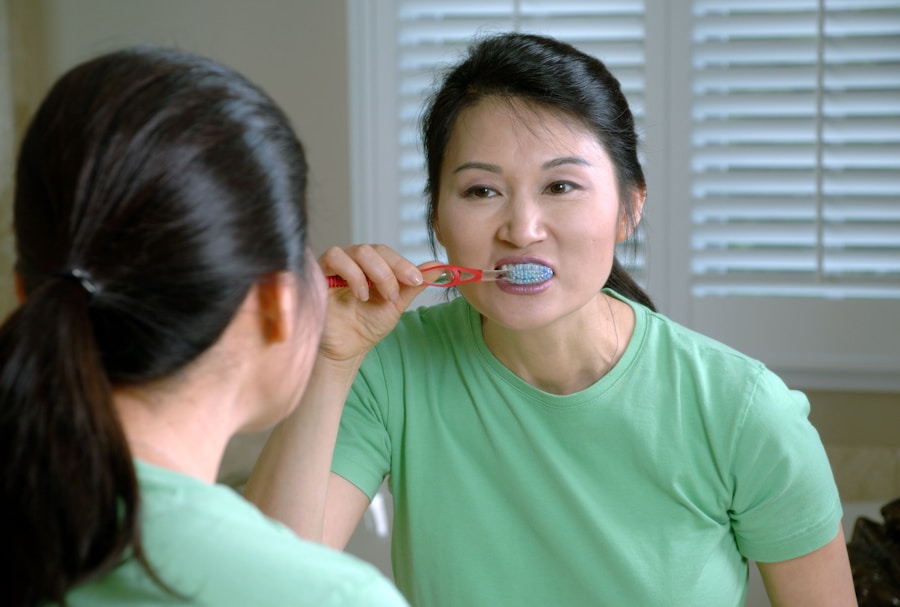
- Proper Brushing and Flossing: This helps prevent cavities and gum disease, common sources of referred jaw pain.
Managing Stress and Bruxism
- Stress Reduction Techniques: Practicing mindfulness, meditation, yoga, or engaging in hobbies can help lower overall stress levels, which often contribute to jaw tension.
- Awareness of Clenching/Grinding: Making a conscious effort to relax the jaw during the day can be beneficial. If bruxism is severe, a dentist can recommend a nightguard.
Ergonomic Considerations
- Posture: Maintaining good posture, especially when working at a desk, can prevent undue strain on the neck and jaw muscles.
- Chewing Habits: Avoiding chewing gum excessively or on hard foods can reduce strain on the TMJ.
Recognizing Warning Signs
- Seek Professional Help Promptly: If jaw pain is severe, persistent, accompanied by swelling, numbness, or difficulty opening the mouth, it is crucial to consult a healthcare professional or dentist without delay. Early diagnosis and treatment are key to a successful outcome and preventing long-term complications. It’s like addressing a small leak before it becomes a flood.