
The pursuit of an aesthetically pleasing smile and improved oral function often leads individuals to consider orthodontic treatment for overbites. An overbite, a condition where the upper teeth overlap the lower teeth to an excessive degree, can impact not only appearance but also dental health and speech. For many, the decision boils down to a comparison between two primary orthodontic approaches: traditional metal braces and the clear aligner system known as Invisalign. This article examines the advantages and disadvantages of each, providing a clear roadmap for individuals navigating this orthodontic crossroads.
Understanding Overbites and Their Impact
A significant overbite, technically termed a “deep bite,” occurs when the vertical overlap of the front teeth exceeds what is considered normal. This overlap can range from a slight, almost imperceptible difference to a pronounced covering of the lower incisors.
Varieties of Overbites
Overbites can be categorized based on their cause and presentation.
Skeletal vs. Dental Overbites
A skeletal overbite originates from discrepancies in the jawbone structure. The upper jaw may be too large or protrude, or the lower jaw may be underdeveloped, setting the stage for increased overlap. This is akin to building a house with a foundation that is disproportionate – the entire structure will reflect this imbalance.
A dental overbite, conversely, arises from issues with tooth alignment. Teeth may be tilted inwards, or there may be a lack of sufficient development in the lower incisor region. Here, the problem lies more with the individual bricks (teeth) than the underlying foundation (jaw).
Other Contributing Factors
While skeletal and dental origins are primary, other factors can contribute to or exacerbate an overbite. These include habits developed in childhood, such as thumb-sucking or prolonged pacifier use, which can physically push the upper teeth forward. Genetic predispositions also play a significant role, influencing jaw growth and tooth development.
Consequences of Untreated Overbites
Leaving an overbite unaddressed can lead to a cascade of oral health issues.
Functional Impairments
The most immediate concern is often functional. An excessive overbite can impede proper chewing, making it difficult to bite into certain foods. This can lead to uneven wear on the teeth and contribute to temporomandibular joint (TMJ) disorders, characterized by jaw pain, clicking, and headaches. Imagine a gear that doesn’t mesh properly – it faces increased friction and potential damage.
Aesthetic Concerns
Esthetically, a pronounced overbite can affect facial profile, contributing to a gummy smile or a lack of definition in the chin area. This can have a considerable impact on self-esteem and confidence.
Increased Risk of Dental Problems
Beyond function and appearance, an overbite can create a breeding ground for dental problems. The lower incisors, constantly
protected by the upper teeth, are more susceptible to trauma from biting. Furthermore, the deep overlap can make effective
brushing and flossing challenging, increasing the risk of gum disease and tooth decay on both upper and lower front teeth.
Traditional Braces: A Tried and True Method
Traditional metal braces have been the cornerstone of orthodontic treatment for decades. They consist of brackets bonded to the teeth, connected by wires that are adjusted periodically by an orthodontist to gradually move teeth into their desired positions.
The Mechanism of Tooth Movement
The underlying principle of braces is simple yet effective. Continuous, gentle pressure is applied to the teeth, which stimulates the bone cells around the tooth’s root. Osteoblasts and osteoclasts work in concert, breaking down bone on one side of the tooth socket and building it up on the other, allowing the tooth to migrate. This gradual process, managed by a skilled orthodontist, is like a sculptor patiently chipping away at stone to reveal a planned form.
Advantages of Traditional Braces
Braces offer a robust and predictable solution for a wide range of orthodontic issues, including severe overbites.
Efficacy in Complex Cases
For intricate overbite correction, especially those involving significant skeletal discrepancies or severely misaligned teeth, braces often prove to be the most efficient and effective option. Their rigid structure allows for precise control over tooth movement in three dimensions.
Cost-Effectiveness
Generally, traditional braces are more budget-friendly than Invisalign treatments. This makes them a more accessible option for a broader segment of the population.
Durability and Reliability
Once placed, braces are a fixed appliance, meaning they are not removable by the patient. This eliminates concerns about compliance and ensures consistent application of orthodontic forces.
Disadvantages of Traditional Braces
Despite their efficacy, braces come with their own set of drawbacks.
Esthetics
The most frequently cited disadvantage is their appearance. The metal brackets and wires are highly visible, which can be a source of self-consciousness for many individuals, particularly adults.
Oral Hygiene Challenges
Maintaining proper oral hygiene with braces can be demanding. Food particles can easily get trapped around the brackets and wires, requiring diligent brushing and flossing with specialized tools, such as interdental brushes and floss threaders.
Discomfort and Irritation
Patients often experience initial discomfort and mouth sores as their teeth adjust to the pressure and as the brackets and wires rub against the cheeks and lips. This can be an unwelcome hurdle in the early stages of treatment.
Dietary Restrictions
Certain foods, such as sticky candies, popcorn, and hard nuts, must be avoided to prevent damage to the braces. This can necessitate a temporary adjustment in dietary habits.
Invisalign: The Clear Alternative
Invisalign utilizes a series of custom-made, transparent plastic aligners to gradually shift teeth into place. Patients wear each aligner for approximately two weeks before moving on to the next in the series, with regular check-ups to monitor progress.
The Process of Aligner Therapy
Each Invisalign aligner is designed to apply specific forces to particular teeth, guiding them incrementally towards their target positions. The aligners are precisely manufactured using 3D scanning technology of the patient’s teeth, creating a digital blueprint for each stage of the treatment. This methodical approach, like a carefully planned construction project with blueprints for every phase, ensures predictable movement.
Advantages of Invisalign
Invisalign has gained considerable popularity due to its discreet nature and patient-friendly design.
Discreet Appearance
The primary allure of Invisalign is its near-invisibility. The clear plastic aligners are custom-molded to fit snugly over the teeth, making them very difficult to detect, allowing individuals to undergo orthodontic treatment without significant aesthetic compromise.
Removability and Convenience
Invisalign aligners are removable, which offers significant advantages for eating and oral hygiene. Patients can enjoy their regular diet without restrictions and can brush and floss their teeth normally, considerably easing the maintenance of oral health.
Comfort
Compared to braces, Invisalign often causes less discomfort and irritation. While some initial pressure or soreness is to be expected as teeth begin to move, the smooth plastic surface is generally less abrasive to the soft tissues of the mouth.
Disadvantages of Invisalign
Despite its many benefits, Invisalign is not without its limitations.
Compliance-Dependent Efficacy
Success with Invisalign hinges entirely on patient compliance. The aligners must be worn for at least 20-22 hours per day to be effective. If patients consistently fail to wear them as prescribed, treatment timelines can be significantly extended, or the desired results may not be achieved. This is analogous to having a key that needs to be in the lock for the door to open; if the key is not used, the door remains closed.
Suitability for Complex Cases
While Invisalign has advanced significantly and can now address many complex orthodontic issues, traditional braces may still be more effective for severe overbites, rotations, or significant tooth extractions requiring precise three-dimensional control. The rigid nature of braces allows for greater leverage in these more challenging scenarios.
Cost
Invisalign treatment is generally more expensive than traditional metal braces. The advanced technology and custom manufacturing contribute to a higher price point.
Potential for Speech Impediment
Initially, some patients may experience a slight lisp or difficulty speaking clearly while wearing Invisalign aligners. This typically subsides as they become accustomed to the feel of the aligners in their mouth.
Choosing the Right Treatment for Your Overbite
The decision between Invisalign and traditional braces for overbite correction is a personal one that should be made in consultation with a qualified orthodontist.
Comprehensive Consultation and Diagnosis
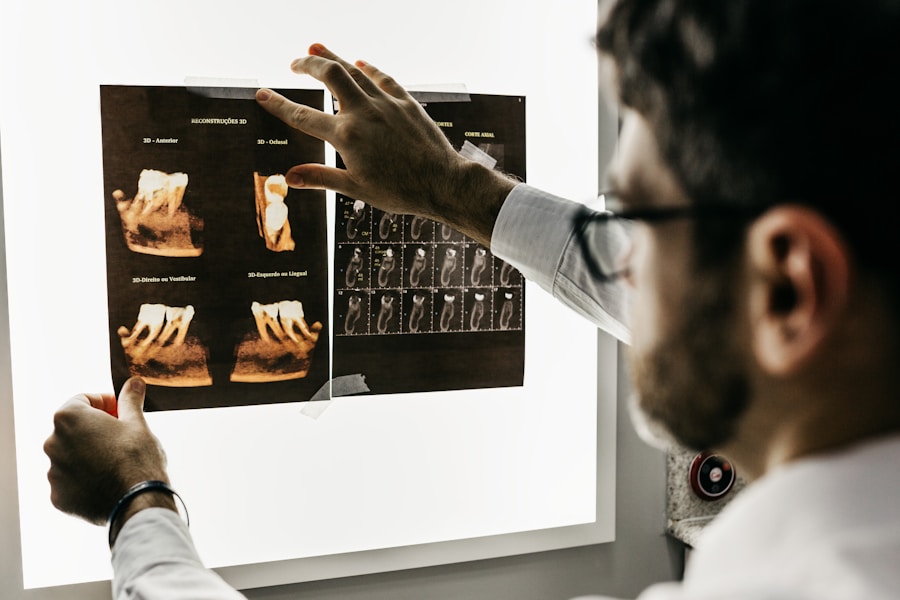
The first and most crucial step is a thorough orthodontic examination. This typically involves dental X-rays, impressions or digital scans of your teeth, and a detailed evaluation of your bite and facial structure.
Assessing the Severity of the Overbite
The orthodontist will determine whether your overbite is primarily skeletal or dental in origin and its overall severity. This assessment will heavily influence which treatment modality is most appropriate.
Evaluating Oral Health and Habits
Your current oral health, including the presence of gum disease or cavities, and your personal habits (e.g., history of teeth grinding) will also be considered. These factors can impact treatment planning and outcomes.
Factors Influencing Your Decision
Beyond the clinical assessment, several personal factors will guide your choice.
Lifestyle and Career Considerations
If your profession or social life requires a highly discreet appearance, Invisalign may be a more appealing option. Conversely, if diet and meticulous hygiene are challenging for you, the fixed nature of braces might offer a more straightforward path.
Budget and Insurance Coverage
The financial aspect is a significant consideration. Discussing costs and exploring insurance coverage or financing options with your orthodontist’s office is essential.
Personal Preferences and Expectations
Ultimately, your comfort level with each treatment option and your expectations for the outcome play a vital role. An open and honest discussion with your orthodontist about these preferences will help ensure a treatment plan that you are comfortable and confident with.
The Long-Term Outlook: Maintaining Your Corrected Smile
Regardless of the chosen treatment, the post-orthodontic phase is critical for maintaining the results.
The Importance of Retention
Once your teeth have been moved into their corrected positions, they will naturally tend to drift back towards their original state. Retainers are designed to prevent this relapse.
Types of Retainers
Retainers can be fixed (a thin wire bonded to the back of the teeth) or removable (like clear aligners or Hawley retainers). The orthodontist will recommend the type of retainer best suited to your specific case.
Adherence to Retention Schedule
Consistent wear of retainers, as prescribed by your orthodontist, is non-negotiable for long-term success. This is analogous to maintaining a carefully built structure; regular upkeep ensures its longevity.
Ongoing Oral Care
A commitment to excellent oral hygiene remains paramount throughout and after orthodontic treatment.
Regular Dental Check-ups
Attending your regular dental check-ups and cleanings is essential for monitoring the health of your teeth and gums and for ensuring that your corrected bite remains stable.
Vigilance for Signs of Relapse
While retainers are effective, it’s wise to remain aware of any subtle shifts in tooth position. Early detection and communication with your orthodontist can address minor issues before they become significant concerns. By actively participating in the maintenance of your corrected smile, you ensure that the investment in your oral health and aesthetic confidence yields lasting rewards.




Leave a Reply