Understanding Emergency Dental Situations
Dental emergencies can arise unexpectedly, causing significant pain and distress. Recognizing when a situation qualifies as a dental emergency is the first step in seeking appropriate care. These are instances that require immediate attention to prevent further damage, alleviate severe discomfort, or address a potentially life-threatening condition.
What Constitutes a Dental Emergency?
A dental emergency is not simply a routine cavity appointment. It involves acute issues that demand prompt intervention. The severity of pain is often a primary indicator, but it’s not the sole factor. Issues that compromise oral health, the risk of infection, or significant trauma fall under this umbrella.
Severe Tooth Pain
Unrelatable, intense toothaches that disrupt sleep and daily activities are a hallmark of dental emergencies. This pain can stem from various underlying problems, such as deep decay reaching the nerve, a cracked or broken tooth exposing the pulp, or a severe infection. The throbbing nature of this pain often signals an inflamed or infected nerve within the tooth.
Toothache Intensity and Duration
While minor aches might resolve with over-the-counter pain relievers, persistent, severe dental pain that doesn’t subside after a few hours warrants professional evaluation. The duration of the pain is crucial; a toothache that has been significantly impacting your quality of life for more than a day or two is a strong indicator of an emergency.
Referred Pain and Other Symptoms
Sometimes, tooth pain can manifest as referred pain, meaning you might feel discomfort in your ear, jaw, or head. This can complicate self-diagnosis but should be considered as a potential sign of a dental issue. Additional symptoms like swelling in the gums or face, sensitivity to hot and cold that lingers, or a bad taste in the mouth can further confirm the need for immediate dental care.
Trauma and Injury
Accidents can lead to dental trauma, ranging from knocked-out teeth to severe facial injuries. Prompt action in these cases can significantly improve the chances of saving damaged teeth and minimizing long-term consequences.
Knocked-Out Teeth (Avulsed Teeth)
A knocked-out tooth is a critical dental emergency. If managed correctly within minutes to an hour, the tooth has a good chance of being reimplanted. The key is to handle the tooth by the crown, not the root, and attempt to reinsert it into its socket or, failing that, store it in a liquid medium like milk or saliva.
Chipped, Cracked, or Broken Teeth
While minor chips might not always be urgent, significant cracks or breaks that expose the inner layers of the tooth or cause sharp pain require immediate attention. These can lead to further fractures, infection, and nerve damage if left untreated.
Jaw Injuries
Injuries to the jaw, including dislocations, fractures, or severe bruising, necessitate prompt medical and potentially dental evaluation. These injuries can affect the ability to eat, speak, and even breathe properly.
Infections and Abscesses
Oral infections, particularly dental abscesses, can spread rapidly and have serious systemic implications. They often present with severe pain and swelling and require urgent treatment to prevent the infection from advancing.
Dental Abscess Symptoms
A dental abscess is a pus-filled sac that forms due to a bacterial infection. Symptoms typically include a throbbing toothache, swelling on the gums or face, fever, a foul taste in the mouth, and tender lymph nodes in the neck. An abscess is a medical emergency requiring immediate antibiotic treatment and drainage.
Swelling and Fever
Facial swelling radiating from a tooth or gum area, especially when accompanied by a fever, indicates a spreading infection. This is a serious sign that can lead to more severe complications if not addressed quickly by a dentist or, in some cases, a hospital emergency room.
Locating an Emergency Dentist: Initial Steps
When faced with a dental emergency, the first priority is to find immediate professional help. Many dental practices offer emergency services, and there are specific resources dedicated to connecting patients with dentists available at short notice.
How to Find a Dentist Open Now
The most direct route is to search for dentists who specifically advertise emergency dental services. This often means looking beyond your regular dentist’s office hours.
Utilizing Online Search Engines
A quick search on a search engine like Google, using terms such as “emergency dentist near me,” “24-hour dentist,” or “dental emergency [your city],” will often yield immediate results. These searches are designed to highlight practices with emergency protocols. Look for listings that clearly state “emergency services” or “walk-in available.”
Filtering Search Results
Many search engines allow you to filter results by operating hours or by explicitly searching for businesses open at a specific time. Pay attention to the business descriptions and reviews, as these can offer insights into whether a practice is truly equipped for urgent care.
Checking Dental Practice Websites
Many dental clinics will prominently display their emergency contact information and procedures on their websites. If your regular dentist has a recorded message or website announcement about their emergency policy, follow those instructions. If you suspect your regular dentist is unavailable, proceed to search for other practices.
Emergency Dental Services and After-Hours Care
Beyond regular business hours, several avenues exist for emergency dental care. These can range from specialized emergency clinics to dentists who offer on-call services.
Dedicated Emergency Dental Clinics
Some areas have specialized dental clinics that operate 24/7 or during extended evening and weekend hours. These are specifically designed to handle urgent dental needs and are often well-equipped for a wide range of emergencies.
Dentists with On-Call Services
Many general dentists designate certain hours or specific individuals for on-call emergency services. This might mean a dentist is available by phone to assess the situation and then meet the patient at the clinic, or they might refer the patient to a trusted colleague who is on call.
Understanding On-Call Protocols
When you contact a dentist’s office that offers on-call services, listen carefully to the instructions. You may be asked to leave a detailed message, and the dentist will call you back. Be prepared to provide information about your symptoms and insurance.
Dental Referral Services and Hotlines
If you are struggling to find an available dentist, there are services designed to help you navigate these situations. These can act as a bridge when direct contact proves difficult.
Local Dental Societies and Associations
Local dental societies often maintain lists of dentists who provide emergency care and may have referral services. Contacting your local chapter can be an effective strategy, especially if you are in an unfamiliar area.
Emergency Medical Services (EMS)
In severe cases, such as significant facial trauma or if you are experiencing difficulty breathing due to oral swelling, contacting your local emergency medical services (911 in many regions) is appropriate. They can assess the immediate threat to life and limb and can assist in transporting you to a medical facility that can handle dental emergencies, which may include a hospital emergency room equipped for such situations.
Preparing for an Emergency Dental Visit
Once you have identified a potential emergency dentist, being prepared can streamline the process and ensure you receive the most effective care. This involves gathering necessary information and having a plan of action.
What Information to Have Ready
When you contact an emergency dentist, they will need specific information to assess your situation and your suitability for their services. Clarity and accuracy are key.
Describing Your Symptoms
Be prepared to clearly describe your symptoms: the nature of the pain (sharp, dull, throbbing), its location, its intensity, and what makes it worse or better. Mention any swelling, bleeding, or signs of infection, such as fever. The more precise you are, the better the dentist can prepare for your arrival.
Medical History and Medications
Have a list of your current medical conditions and any medications you are taking readily available. This is crucial for the dentist to understand potential risks and interactions, especially if they need to prescribe medication. Allergies are also vital information.
Insurance and Payment Information
Dental emergencies can be costly. Knowing your dental insurance provider and policy details, including any emergency coverage, will be beneficial. Even if you don’t have insurance, discussing payment options, such as payment plans or financing, upfront can help manage expectations.
What to Bring to an Emergency Dental Appointment
While speed is often of the essence, some items can facilitate a smoother and more productive appointment.
Identification and Insurance Card
These are standard requirements for any medical appointment. Having your driver’s license or other identification and your dental insurance card will help the practice process your visit efficiently.
List of Medications
As mentioned, a written list of your current medications, including dosages, is invaluable. This ensures accuracy and minimizes the risk of errors in prescription or treatment planning.
Previous Dental Records (If Possible)
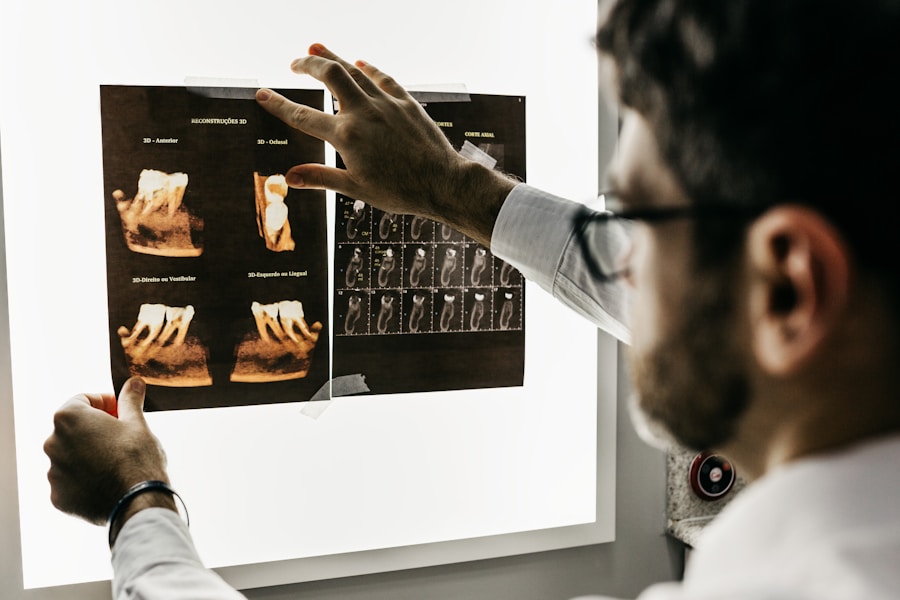
If you have access to recent dental records or X-rays from your regular dentist, bringing them could provide the emergency dentist with valuable background information. However, do not delay seeking care if obtaining these records would cause a significant delay.
Understanding Emergency Dental Fees
Emergency dental services often come with different fee structures than routine appointments. Being aware of this can help you prepare financially.
After-Hours and Emergency Surcharges
Practices that offer emergency services, especially outside of regular business hours, may charge a premium for their availability. This is common and reflects the commitment to providing immediate care. Inquire about these fees when you book your appointment.
Diagnostic Fees and Treatment Costs
The initial consultation will likely include a diagnostic fee, which may cover an examination and X-rays. The treatment cost will depend entirely on the diagnosed issue. Be sure to ask for an estimate of potential treatment costs before proceeding, if possible.
Immediate Actions for Specific Dental Emergencies
Depending on the nature of the dental emergency, specific immediate actions can be taken while you are on your way to or waiting to see a dentist. These are temporary measures to stabilize the situation and alleviate discomfort.
For Traumatic Dental Injuries
Injuries to the teeth and mouth require careful handling. The goal is to protect the affected areas and prevent further damage.
Managing Bleeding
Minor bleeding from the gums or a knocked-out tooth socket can often be controlled by applying gentle pressure with a clean gauze pad or a clean cloth. If bleeding is severe and uncontrollable, seek immediate medical attention.
Stabilizing Loose or Knocked-Out Teeth
If a tooth is loose but still in its socket, try to keep it in place. Do not attempt to force it back in if it appears severely misaligned or painful to manipulate. For a knocked-out tooth, as mentioned, handle by the crown and attempt to reinsert it into the socket, or store it in a suitable medium if reinsertion is not possible.
For Severe Tooth Pain and Infection
Pain relief and preventing the spread of infection are paramount in these scenarios.
Pain Management Techniques
Over-the-counter pain relievers like ibuprofen or acetaminophen can provide temporary relief for toothaches, provided there are no contraindications. Avoid placing aspirin directly on the gum or tooth, as this can cause chemical burns. Rinsing the mouth with warm salt water can also help soothe pain and clean the area.
Avoiding Triggers
Certain stimuli can exacerbate tooth pain. Avoid very hot or very cold foods and beverages, and refrain from chewing on the affected side of your mouth.
For Swelling and Abscesses
Swelling, particularly when accompanied by fever, is a sign of a serious infection that requires immediate dental attention.
Cold Compresses
Applying a cold compress to the outside of the cheek in the swollen area can help reduce inflammation and discomfort. Apply for 15-20 minutes at a time, with breaks in between.
Flushing the Area
Gently rinsing the mouth with warm salt water can help keep the area clean and may provide some relief. Do not attempt to drain a suspected abscess yourself, as this can worsen the infection.
Preventing Future Dental Emergencies
While not all dental emergencies are preventable, many can be avoided through diligent oral hygiene practices and regular dental check-ups. Addressing minor issues before they escalate is key to maintaining oral health.
The Importance of Regular Dental Check-ups
Regular visits to the dentist are the cornerstone of preventative dental care. These appointments allow for early detection and treatment of potential problems before they become critical.
Early Detection of Decay and Gum Disease
During a check-up, a dentist can identify early signs of tooth decay and gum disease. These conditions, if left untreated, can progress to cause significant pain, infection, and tooth loss. Regular cleanings also remove plaque and tartar build-up, which are major contributors to these problems.
Professional Cleanings and Exams
Professional cleanings remove hardened plaque (tartar) that cannot be removed by brushing or flossing alone. Dental exams include checks for oral cancer, examine the bite, and assess the overall health of the oral cavity.
Maintaining Good Oral Hygiene at Home
Consistent and proper oral hygiene practices at home are essential for preventing a wide range of dental issues.
Brushing and Flossing Techniques
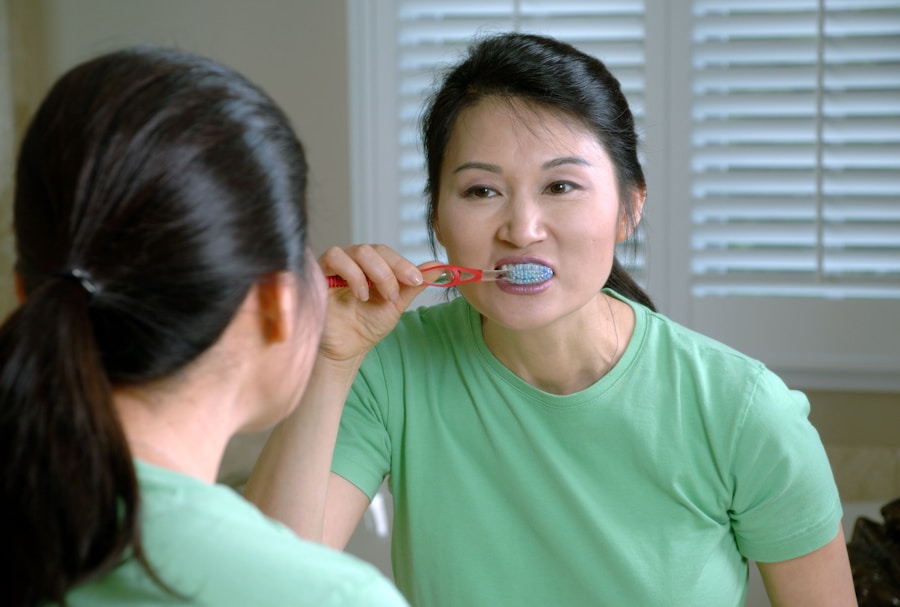
Brushing your teeth twice a day with fluoride toothpaste and flossing daily are fundamental. Ensure you are using proper techniques that effectively clean all surfaces of your teeth and along the gumline. Consider using an interdental brush or a water flosser if traditional flossing is difficult.
Diet and Lifestyle Choices
Diet plays a significant role in oral health. Limiting sugary drinks and snacks reduces the fuel for cavity-causing bacteria. Avoiding tobacco products is also crucial, as smoking is a major risk factor for gum disease and oral cancer.
The Role of Protective Mouthguards
For individuals involved in sports or who grind their teeth, protective mouthguards can prevent injuries and further damage.
Sports-Related Injuries
Contact sports carry a high risk of dental trauma. A well-fitted sports mouthguard can absorb impact and protect teeth, lips, and jaws from injury. Ensure the mouthguard is designed for your specific sport and fits properly.
Bruxism Management
Bruxism, or teeth grinding and clenching, can wear down tooth enamel, cause jaw pain, and lead to fractures. A dentist can recommend a nightguard to protect teeth from the damaging effects of grinding, especially during sleep.
By understanding the signs of a dental emergency, knowing where to find prompt assistance, and implementing preventative measures, you can navigate these challenging situations more effectively and safeguard your oral health. The swift and informed action taken during a dental emergency can significantly influence the outcome and the long-term health of your teeth and gums.