Understanding Toothache: A Signal from Your Body
A toothache is more than a mere irritation; it is a clear signal from your body that something is amiss within your oral cavity. This discomfort can manifest in various ways, from a dull, persistent ache to sharp, throbbing pain, and can be triggered by a multitude of factors. Understanding the underlying causes of a toothache is crucial, not only for effective relief but also for preventing its recurrence.
Common Causes of Toothache
The genesis of a toothache often lies in the compromise of the tooth’s protective layers. The outermost layer, enamel, is the hardest substance in the human body, acting as a shield against external threats. Beneath the enamel lies dentin, a softer, porous material that contains microscopic tubules leading to the tooth’s innermost core. At the heart of the tooth is the pulp, a soft tissue complex housing nerves, blood vessels, and connective tissue. It is the sensitivity of the pulp that translates external stimuli into the sensation of pain.
- Dental Caries (Cavities): This is perhaps the most prevalent cause of toothache. When bacteria in the mouth convert sugars into acids, these acids can erode the enamel, creating small holes known as cavities. If left untreated, these cavities can deepen, eventually reaching the dentin and, critically, the pulp. Once the pulp is exposed to bacteria or extreme temperatures, inflammation and infection can ensue, leading to significant pain. Imagine the tooth as a house, and the cavity as a breach in its foundation, allowing intruders to access its inner sanctuary.
- Pulpitis: This refers to the inflammation of the dental pulp. It can be reversible or irreversible. Reversible pulpitis often occurs when the pulp is irritated but not yet severely damaged, perhaps by a superficial cavity or a new filling. The pain is typically momentary and triggered by specific stimuli like cold. Irreversible pulpitis, conversely, indicates advanced damage to the pulp, often due to deep decay or trauma. The pain is usually spontaneous, persistent, and more severe, often radiating to other parts of the head.
- Cracked or Fractured Teeth: A tooth can sustain cracks or fractures due to various reasons, including biting on hard objects, facial trauma, or even dental fillings that weaken the tooth structure over time. These cracks can be microscopic and invisible to the naked eye, yet they can allow bacteria and temperature changes to penetrate the dentin and pulp, leading to pain. Think of a cracked pane of glass, allowing cold air to seep into a warm room.
- Gum Disease (Periodontitis): While not directly affecting the tooth’s inner structure, advanced gum disease can lead to toothache. Periodontitis involves the inflammation and infection of the tissues supporting the teeth. As the disease progresses, it can cause gum recession, exposing the sensitive roots of the teeth. Furthermore, bone loss associated with periodontitis can lead to “mobile” teeth, which can become painful with pressure.
- Abscess: A dental abscess is a localized collection of pus formed due to a bacterial infection. This can occur at the apex of the tooth root (periapical abscess) or in the gums (periodontal abscess). An abscess is a serious condition that can cause intense, throbbing pain, facial swelling, fever, and even systemic infection if left untreated. It represents a contained battleground within your oral cavity.
- Impacted Teeth: This commonly refers to wisdom teeth that do not have enough space to erupt properly, becoming trapped beneath the gum line or against other teeth. The pressure exerted by an impacted tooth can cause pain, and the gum tissue overlying it can become inflamed and infected, leading to pericoronitis.
- Bruxism (Teeth Grinding): Chronic clenching or grinding of teeth, often during sleep, can put excessive stress on the teeth, jaw muscles, and temporomandibular joints. This can lead to generalized tooth sensitivity, jaw pain, and even cracks in the teeth over time.
- Sinusitis: In some cases, pain originating from the maxillary sinuses (located above the upper teeth) can be mistaken for a toothache, particularly in the upper back teeth. This is known as referred pain. The inflammation and pressure within the sinuses can mimic the sensation of a dental issue.
The Immediate Need for Relief
Regardless of the underlying cause, a toothache demands attention. The body’s pain response is a warning system, and ignoring it can lead to more severe complications. While these tips offer temporary respite, they are not a substitute for professional dental care. Think of these relief methods as a temporary patch on a leaky pipe, buying you time until a plumber can perform a lasting repair.
Tip 1: Initiate Pain Management with Over-the-Counter Medications
When a toothache strikes, the immediate priority is to alleviate the discomfort. Over-the-counter (OTC) pain relievers are readily available and can provide effective temporary relief.
Selecting the Appropriate Analgesic
The choice of medication often depends on the type and severity of pain, as well as individual health considerations.
- Nonsteroidal Anti-Inflammatory Drugs (NSAIDs): Medications such as ibuprofen (e.g., Advil, Motrin) and naproxen sodium (e.g., Aleve) work by reducing inflammation and pain. They are generally effective for mild to moderate toothaches, especially those with an inflammatory component, such as pulpitis or gum inflammation. NSAIDs inhibit the production of prostaglandins, which are chemicals in the body that promote inflammation, pain, and fever.
- Dosage: Always adhere to the recommended dosage listed on the packaging or as advised by a healthcare professional. Overdosing can lead to adverse effects including stomach upset, heartburn, and, in rare cases, more serious complications.
- Contraindications: Individuals with certain medical conditions, such as kidney disease, stomach ulcers, or allergies to NSAIDs, should consult their physician before use. They can also interact with other medications, including blood thinners.
- Acetaminophen: Acetaminophen (e.g., Tylenol) is another common OTC pain reliever that works differently from NSAIDs. It primarily acts as an analgesic and antipyretic (fever reducer) but has minimal anti-inflammatory effects. It can be a suitable option for individuals who cannot take NSAIDs due to medical conditions or allergies.
- Dosage: Adhere strictly to the recommended dosage. Excessive acetaminophen intake can lead to severe liver damage.
- Combination Use: In some cases of severe toothache, a dentist or physician might recommend alternating doses of ibuprofen and acetaminophen, as they work through different mechanisms and can provide enhanced pain relief. However, this should only be done under professional guidance.
Important Considerations for OTC Medications
- Temporary Relief: It is crucial to understand that OTC pain relievers only mask the symptoms; they do not address the underlying cause of the toothache. The pain will likely return once the medication wears off if the dental issue remains unresolved.
- Prompt Dental Visit: These medications are a bridge to professional care, not a substitute for it. Schedule a dental appointment as soon as possible after initiating pain management.
- Allergies and Interactions: Always review the active ingredients and potential side effects. Inform your dentist about any medications you are taking, including OTC drugs, and any known allergies.
Tip 2: Implement Oral Hygiene and Rinsing Strategies
Maintaining optimal oral hygiene, even with a toothache, is vital. It can prevent the worsening of the condition and, in some cases, provide immediate, albeit temporary, relief by dislodging trapped food particles or reducing bacterial load.
Gentle Cleaning and Rinsing
The goal is to cleanse the affected area without causing further irritation.
- Warm Saltwater Rinse: This is a time-honored and dentist-approved remedy. Saltwater acts as a natural disinfectant and can help dislodge food particles that may be contributing to the pain. It can also reduce inflammation and draw out infection by osmosis.
- Preparation: Dissolve half a teaspoon of salt in a glass of warm water. The warmth is soothing, and the salt creates an isotonic or slightly hypertonic solution, both of which are beneficial.
- Application: Swish the solution vigorously around your mouth for at least 30 seconds, focusing on the affected area. Repeat several times a day, especially after meals. This is analogous to flushing a wound, removing irritants, and promoting a cleaner environment.
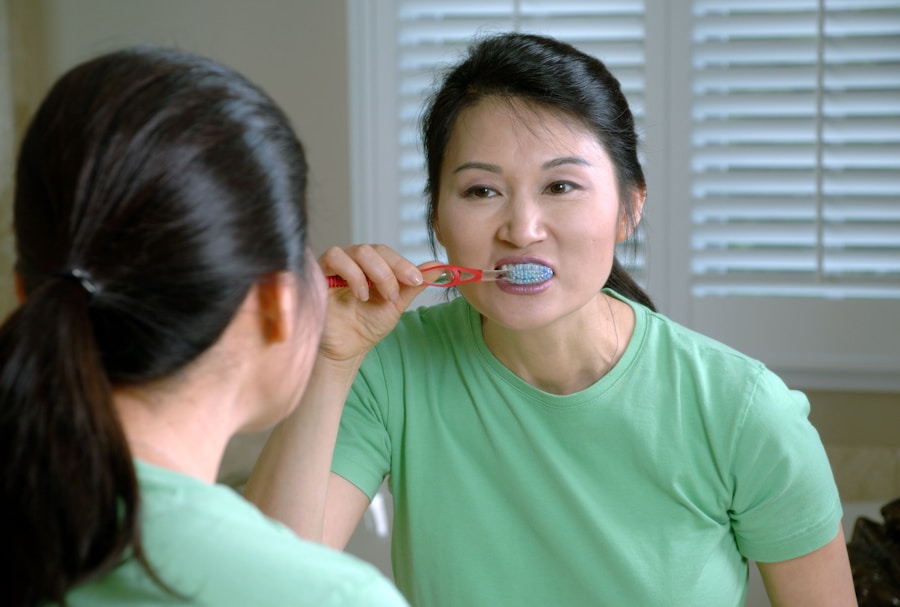
- Thorough Brushing and Flossing: While the affected tooth may be sensitive, gentle brushing around the area is still necessary to remove plaque and food debris. Use a soft-bristled toothbrush and light pressure. Flossing around the painful tooth can dislodge any trapped food particles that might be pressing against sensitive gum tissue or tooth surfaces.
- Caution: Avoid aggressive brushing or flossing, as this can further irritate inflamed tissues. If pain is severe, focus on the surrounding teeth and gums and rinse thoroughly.
Antimicrobial Rinses (Consult Your Dentist)
- Chlorhexidine Gluconate: In some cases, especially if an infection or gum inflammation is suspected, your dentist might recommend an antiseptic mouthwash containing chlorhexidine gluconate. This is a powerful antimicrobial agent that can reduce bacterial load in the mouth.
- Prescription Only: Chlorhexidine rinses are typically prescription-only and should be used under a dental professional’s guidance. Prolonged use can lead to temporary tooth staining and alterations in taste.
Tip 3: Apply Cold Compression to the Face
Cold compression can be a highly effective method for managing the immediate symptoms of a toothache, particularly when associated with swelling or inflammation.
The Mechanism of Cold Therapy
Applying a cold compress works on several physiological principles:
- Vasoconstriction: Cold temperatures cause blood vessels to constrict. This reduces blood flow to the affected area, which in turn decreases swelling and inflammation. Think of it as tightening the taps on a leaky faucet.
- Numbing Effect: Cold can temporarily numb nerve endings, thereby reducing the perception of pain. This provides direct, albeit temporary, analgesic relief.
Proper Application Technique
- Ice Pack or Cold Compress: Use an ice pack wrapped in a cloth or a bag of frozen vegetables (e.g., peas, corn) covered with a clean towel. Direct application of ice to the skin can cause frostbite.
- Location: Apply the cold compress to the external area of the face directly over the site of the toothache.
- Duration: Apply for 15-20 minutes at a time, then remove for 15-20 minutes. Repeat this cycle as needed, typically for up to an hour or two. Prolonged application without breaks can be counterproductive and increase the risk of skin damage.
- Elevation: If swelling is significant, keeping your head elevated, even when resting, can help reduce blood flow to the area and minimize swelling.
When to Use Cold Compression
- Swelling: If there is visible facial swelling accompanying the toothache, cold compression is particularly beneficial.
- Post-Trauma: After any facial trauma that might have affected a tooth, cold therapy can help manage immediate swelling and pain.
- Inflammatory Pain: For toothaches with an inflammatory component, cold can help reduce localized inflammation.
Limitations of Cold Compression
Like OTC medications, cold compression only manages symptoms and does not resolve the underlying dental issue. It is a temporary measure designed to provide comfort while awaiting professional dental care.
Tip 4: Avoid Triggers and Modify Diet Temporarily
While awaiting a dental appointment, being mindful of what you consume and how you treat your teeth can significantly impact your comfort level. Certain foods and habits can exacerbate a toothache, turning a dull throb into sharp agony.
Dietary Modifications
The goal is to minimize stimulation of the sensitive tooth and prevent further irritation.
- Temperature Extremes: Hot and cold foods and beverages are common triggers for sensitive teeth and inflamed pulp. Avoid very hot coffee, icy drinks, and extremely cold foods like ice cream. Consume liquids at room temperature.
- Mechanism: Exposed dentin or inflamed pulp is highly reactive to thermal changes. When cold, the fluid within the dentinal tubules contracts, and when hot, it expands, putting pressure on the pulp nerves.
- Sweet and Acidic Foods: Sugary foods and acidic beverages (e.g., sodas, citrus juices) can aggravate a toothache, especially if there is exposed dentin or a cavity.
- Mechanism: Sugar feeds bacteria, which produce acids, further eroding tooth structure. Acids directly stimulate nerve endings and can cause pain.
- Hard and Chewy Foods: Avoid foods that require significant chewing effort, such as nuts, hard candies, or tough meats. These can put undue pressure on an already compromised tooth, potentially worsening a crack or causing further pain.
- Mechanism: Biting pressure can directly stimulate the nerves in a damaged tooth, or further stress a weakened structure.
- Sticky Foods: Foods that stick to the teeth can become trapped in cavities or between teeth, providing a sustained food source for bacteria and potentially exerting pressure.
Habit Modifications
- Chew on the Opposite Side: If one side of your mouth is affected, consciously chew food on the unaffected side to reduce stress on the painful tooth.
- Avoid Clenching and Grinding: If you are prone to bruxism, try to be mindful of clenching your jaws, especially during times of stress. While it’s harder to control nighttime grinding, address daytime habits. This can prevent further damage and reduce muscle tension that contributes to pain.
- Gentle Toothbrushing: As mentioned previously, continue brushing and flossing but do so gently around the affected tooth.
By adopting these temporary dietary and habit modifications, you are creating a more benign environment for your inflamed tooth, serving as a buffer against further aggravation until professional intervention.
Tip 5: Seek Prompt Professional Dental Care
The most crucial tip for toothache relief is to understand that all previous measures are temporary. They are strategies to manage symptoms, not to cure the underlying problem. A toothache is a clarion call for professional attention. Delaying a dental visit can lead to more severe complications, increased pain, and more extensive, costly treatments.
The Importance of Diagnosis
A dentist’s role is not just to alleviate pain but to accurately diagnose its cause. This often involves:
- Clinical Examination: The dentist will meticulously examine your teeth, gums, and surrounding oral structures. They may tap on teeth (percussion test), apply cold or heat, and check for signs of swelling or redness.
- Radiographs (X-rays): Dental X-rays are indispensable diagnostic tools. They can reveal hidden cavities, bone loss, abscesses, impacted teeth, and other issues not visible during a visual examination. Think of X-rays as your dentist’s internal map of your oral landscape.
- Pulp Vitality Tests: These tests assess the health of the dental pulp by observing its response to thermal or electrical stimuli.
Potential Consequences of Delaying Treatment
- Progression of Decay: A small cavity can quickly enlarge, reaching the pulp and necessitating more complex procedures like root canal therapy instead of a simple filling.
- Spread of Infection: A localized infection, such as an abscess, can spread to other teeth, the jawbone, or even into the bloodstream, leading to systemic infections (e.g., cellulitis, sepsis) which can be life-threatening.
- Tooth Loss: If a tooth’s structure is too compromised, or an infection too advanced, extraction may become the only viable option.
- Increased Pain and Discomfort: Untreated dental issues rarely resolve on their own; they tend to worsen, leading to more intense and persistent pain.
- More Complex and Costly Treatments: Addressing an advanced dental problem is typically more involved, time-consuming, and expensive than treating it in its early stages.
Emergency Dental Care
If your toothache is accompanied by any of the following symptoms, seek immediate emergency dental care:
- Severe Swelling: Swelling that extends to the face, eye, or neck can indicate a rapidly spreading infection.
- Difficulty Breathing or Swallowing: This is a serious sign of a widespread infection that is compressing airways or affecting the throat.
- Persistent Fever: A fever alongside a toothache indicates a systemic infection.
- Traumatic Injury: If a tooth has been knocked out, fractured, or displaced due to trauma.
Remember, your teeth are vital tools for eating, speaking, and maintaining overall health. A toothache is a serious warning sign. Heed it by contacting your dentist promptly.