Mouth breathing, a habit often overlooked, can significantly impact dental health, leading to an increased risk of cavities. Understanding this connection and addressing the underlying causes are essential for maintaining a cavity-free smile. This article explores the mechanisms by which mouth breathing contributes to dental decay and outlines strategies for remediation.
The Dental Landscape: A Delicate Balance
The oral cavity is a complex ecosystem where various factors interact to maintain health. Saliva plays a crucial role, acting as the mouth’s natural defense system. It helps neutralize acids produced by bacteria, remineralize tooth enamel, and wash away food particles. When breathing patterns are disrupted, this delicate balance can be thrown off, creating a suboptimal environment for the teeth.
Saliva’s Protective Role
Saliva contains minerals like calcium and phosphate, which are vital for strengthening tooth enamel. The continuous flow of saliva helps to buffer the acids that contribute to enamel erosion. Furthermore, saliva contains enzymes that can inhibit bacterial growth.
The Buffering Capacity of Saliva
The pH of saliva typically ranges between 6.5 and 7.5, providing a neutral or slightly alkaline environment. This alkalinity allows it to neutralize the acidic byproducts of bacterial metabolism. When mouth breathing occurs, this buffering capacity can be compromised.
Salivary Flow Dynamics
Normal breathing through the nose stimulates salivary glands, promoting a consistent flow of saliva. Mouth breathing, particularly during sleep, can lead to reduced salivary production and increased saliva evaporation.
The Oral Microbiome
The mouth is home to hundreds of species of bacteria, collectively known as the oral microbiome. While some bacteria are beneficial, others can contribute to dental problems. The types and balance of these bacteria are influenced by environmental factors within the mouth.
Bacterial Acid Production
Certain bacteria in the mouth feed on sugars and carbohydrates, producing acids as a byproduct. These acids can demineralize tooth enamel, creating microscopic pores that eventually develop into cavities.
The Impact of a Dry Mouth
A dry mouth, often a consequence of mouth breathing, creates a more favorable environment for acid-producing bacteria. With less saliva to wash them away and neutralize their acidic secretions, these bacteria can thrive.
Mouth Breathing: A Gateway to Dehydration
Mouth breathing, as the name suggests, involves inhaling and exhaling primarily through the mouth rather than the nose. While occasionally necessary, habitual mouth breathing can have widespread consequences, including chronic dehydration of the oral tissues.
The Nasal Route: Nature’s Humidifier and Filter
The nasal passages are designed to condition inhaled air before it reaches the lungs. This process involves humidifying and warming the air, as well as filtering out dust, pollen, and pathogens. When breathing shifts to the mouth, this vital conditioning is bypassed.
Air Filtration and Immune Defense
Nasal hairs and mucus membranes in the nose trap airborne particles, preventing them from entering the respiratory system. Mouth breathing circumvents this defense mechanism, potentially exposing the lungs to more irritants.
Humidification of Air
Inhaled air is warmed and humidified as it passes through the nasal passages. This prevents the delicate tissues of the airways and lungs from drying out. Mouth breathing results in the inhalation of drier, cooler air.
The Consequences of Chronic Oral Dehydration
When the mouth is consistently open, saliva can evaporate more rapidly, leading to a dry mouth, also known as xerostomia. This dryness is a significant factor in the increased risk of cavities associated with mouth breathing.
Enamel Vulnerability
Tooth enamel is remarkably resilient, but it requires a constant supply of minerals from saliva for repair and strength. Enamel exposed to dry air and lacking sufficient saliva becomes more porous and susceptible to acid attack. Think of it like a well-irrigated plant versus one left to wither – the latter is far more fragile.
Reductions in Salivary Flow
While mouth breathing can lead to increased evaporation, it can also, in some individuals, lead to a reduced overall production of saliva. This downward spiral further compromises the protective functions of saliva.
The Cavity Connection: How Mouth Breathing Fuels Decay
The reduced salivary flow and increased exposure of teeth to air create a perfect storm for dental caries. The mechanisms are interconnected and cumulative, gradually weakening the protective barrier of enamel.
Increased Acidic Exposure
In a dry mouth, acids produced by oral bacteria remain in contact with tooth enamel for longer periods. Without the buffering and washing action of saliva, these acids can directly attack the enamel’s mineral content.
Bacterial Overgrowth and Acid Production
A dry oral environment fosters the proliferation of cariogenic (cavity-causing) bacteria. These bacteria then produce more acid, creating a cycle of demineralization.
Reduced Clearance of Food Debris
Saliva helps to wash away food particles, particularly sugars and starches, that bacteria feed on. In a dry mouth, food debris can linger, providing a continuous food source for these bacteria.
Direct Enamel Erosion
Prolonged exposure to mouth breathing can also lead to direct erosion of the enamel. The constant flow of air can dry out the outermost layer of the tooth, making it weaker and more prone to wear.
The “Dry Air” Effect
Imagine leaving a piece of fruit exposed to dry air; it will dehydrate and shrink. Similarly, tooth enamel, when repeatedly exposed to dry air, can become brittle and more susceptible to mechanical forces, like chewing.
Implications for Tooth Structure
This constant drying and subsequent rehydration (when saliva is eventually produced or fluid is ingested) can put stress on the enamel structure, making it more prone to chipping and wear over time.
Identifying the Root Causes: Why Does Mouth Breathing Occur?
Understanding the reasons behind mouth breathing is crucial for effective intervention. It is often not a conscious choice but a symptom of underlying anatomical or physiological issues.
Nasal Obstruction: The Blocked Pathway
The most common reason for habitual mouth breathing is some form of nasal obstruction. When the nasal passages are blocked, the body’s natural instinct is to breathe through the mouth to ensure adequate oxygen intake.
Allergies and Chronic Rhinitis
Allergic reactions can cause inflammation of the nasal lining, leading to swelling and congestion. Chronic rhinitis, an inflammation of the nasal passages not caused by allergens, can have similar effects.
Deviated Septum
The nasal septum is the wall of cartilage and bone that divides the nasal cavity into two nostrils. A deviated septum occurs when this wall is displaced to one side, narrowing one nasal passage and potentially obstructing airflow.
Enlarged Tonsils and Adenoids
In children, enlarged tonsils and adenoids are frequent culprits for nasal obstruction and subsequent mouth breathing. These lymphoid tissues, located at the back of the throat, can grow to a size that impedes airflow.
Other Contributing Factors
While nasal obstruction is primary, other factors can also contribute to or perpetuate mouth breathing.
Anatomical Variations
Certain facial and jaw structures can predispose individuals to mouth breathing. For example, a recessed chin or a narrow palate can make it more difficult to keep the lips sealed.
Habits and Learned Behaviors
In some cases, mouth breathing can become a learned habit, particularly if it has persisted from childhood due to an earlier underlying issue that has since resolved.
Sleep Apnea and Other Sleep-Disordered Breathing
Mouth breathing can be a symptom of more serious sleep disorders, such as obstructive sleep apnea. In these conditions, breathing is repeatedly interrupted during sleep.
Strategies for a Cavity-Free Smile: Addressing Mouth Breathing
Intervening in mouth breathing requires a multi-faceted approach, focusing on addressing the underlying causes and restoring healthy nasal breathing. The goal is to re-establish the natural defense mechanisms of the oral cavity.
Medical and Dental Professional Consultation
The first and most important step is to seek professional advice. A thorough evaluation can identify the root cause of mouth breathing and guide an appropriate treatment plan.
Pediatric Dentistry and Orthodontics
For children, early intervention is key. Pediatric dentists and orthodontists can assess facial development, airway function, and recommend interventions like myofunctional therapy or orthodontic appliances if needed.
Ear, Nose, and Throat (ENT) Specialist Consultation
An ENT specialist can diagnose and treat conditions causing nasal obstruction, such as allergies, sinusitis, or structural issues like a deviated septum.
General Dental Examination
Your dentist can assess the signs of mouth breathing on your teeth and gums, such as dryness, increased plaque, and early signs of decay. They can also advise on preventative measures.
Myofunctional Therapy: Retraining Your Breathing Muscles
Myofunctional therapy is a specialized form of exercise designed to strengthen and retrain the muscles of the face, tongue, and throat. These exercises can help improve tongue posture, lip seal, and nasal breathing.
Tongue Posture Exercises
Proper tongue posture is essential for keeping the lips sealed. Exercises focus on resting the tongue against the roof of the mouth, behind the front teeth.
Lip Seal Training
Developing and maintaining a proper lip seal is crucial for preventing air from escaping through the mouth. Exercises aim to strengthen the muscles around the lips.
Swallowing Techniques
Correct swallowing patterns involve the tongue pushing food to the back of the mouth and the lips remaining sealed. Therapy can address incorrect swallowing habits.
Lifestyle Adjustments and Prevention
Beyond professional interventions, certain lifestyle changes can support the transition to nasal breathing and reinforce good oral health practices.
Hydration and Oral Hygiene
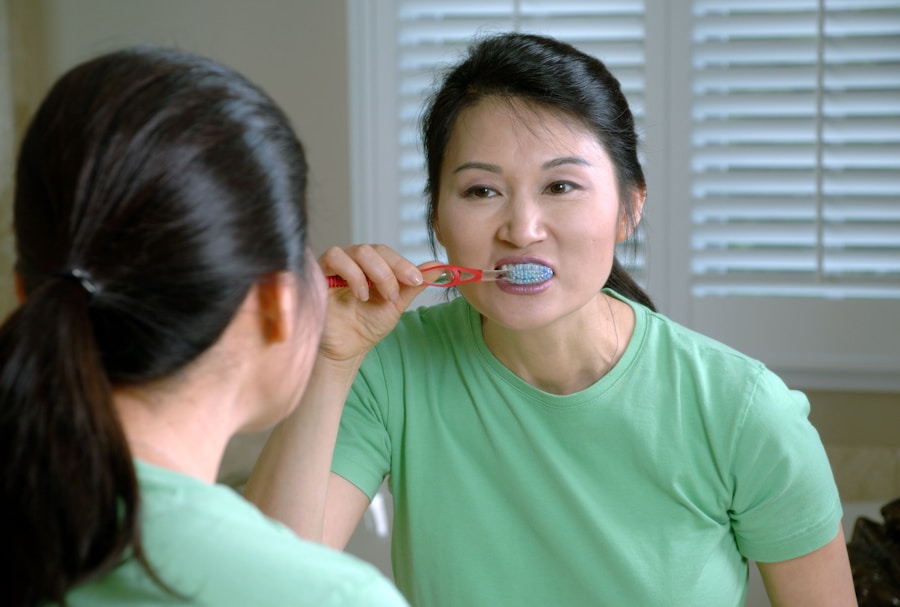
Maintaining good overall hydration is important, and drinking water can help keep the mouth moist. Consistent and thorough oral hygiene, including regular brushing and flossing, is paramount to combatting increased cavity risk.
Nasal Congestion Relief
When nasal congestion is a temporary issue, over-the-counter nasal sprays (used as directed), saline rinses, or humidifiers can provide relief, encouraging nasal breathing.
Sleep Environment Optimization
For those who mouth breathe during sleep, ensuring a comfortable sleep environment with adequate humidity can be beneficial. Sleeping on your side might also help improve airflow compared to sleeping on your back.
By systematically addressing the root causes of mouth breathing and implementing appropriate strategies, individuals can work towards restoring healthy nasal breathing, thereby protecting their teeth and achieving a truly cavity-free smile.