
This article examines ‘Take the Quiz: Determine Whether Braces or Invisalign is Right for Your Dental Needs,’ a hypothetical tool designed to assist individuals in their orthodontic treatment decisions. It dissects the underlying principles of such a quiz, the types of information it would collect, and the factors distinguishing braces and Invisalign. The aim is to provide a neutral, informative overview, enabling a reader to understand the potential utility and limitations of such a decision-making aid.
Understanding the Purpose of an Orthodontic Decision Quiz
An orthodontic decision quiz is conceptualized as a guided self-assessment tool. Its primary function is to present a series of questions designed to elicit information about an individual’s specific dental concerns, lifestyle, and personal preferences. By analyzing the responses, the quiz aims to provide a preliminary indication of which orthodontic treatment modality—traditional braces or Invisalign clear aligners—might be a more suitable option. It is crucial to understand that such a quiz is not a substitute for a professional diagnosis and treatment plan from a qualified orthodontist or dentist. Instead, it serves as an initial stepping stone, clarifying potential considerations and preparing the user for a more in-depth consultation. Think of it as a preliminary map before embarking on a journey; it highlights potential routes but does not replace the expertise of a seasoned guide.
The Role of Self-Assessment in Orthodontic Planning
Self-assessment, when guided by a structured tool, can empower individuals to become more informed participants in their healthcare. For orthodontic treatment, this means understanding the basic differences between common methods and reflecting on how these methods might integrate with one’s daily life. A quiz encourages this introspection by prompting users to consider aspects such as the severity of their orthodontic issues, their aesthetic concerns, their commitment to oral hygiene, and their budget. This process can lead to a more focused discussion with a dental professional, as the individual will have a clearer understanding of their own needs and expectations.
Limitations of a Self-Diagnostic Tool
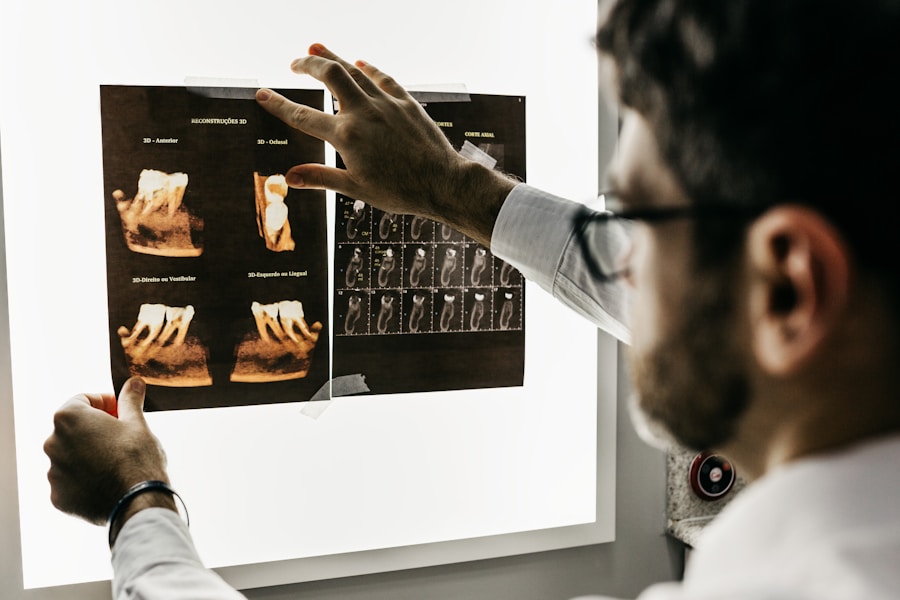
It is paramount to reiterate the inherent limitations of any self-diagnostic tool, especially in a field as intricate as orthodontics. A quiz, by its nature, relies on self-reported data and generalized knowledge. It cannot account for the nuanced diagnostic capabilities of a trained professional who can perform physical examinations, take detailed X-rays, and assess biting patterns with high precision. Therefore, the output of such a quiz should be viewed as a suggestion or a starting point for inquiry, not a definitive conclusion. The human mouth is a complex biological system, and its optimal alignment requires expert interpretation.
Key Factors Considered in Orthodontic Decision Quizzes
A well-designed quiz would likely explore several core areas to generate meaningful insights. These areas are crucial for differentiating between the suitability of braces and Invisalign.
Severity and Type of Malocclusion
The complexity of the dental misalignment is a primary determinant in treatment choice.
Understanding Different Types of Misalignment
- Overbite: This occurs when the upper teeth significantly overlap the lower teeth. The degree of overbite can range from mild to severe, impacting both aesthetics and function.
- Underbite: The reverse of an overbite, where the lower teeth protrude beyond the upper teeth. This can affect chewing efficiency and facial aesthetics.
- Crossbite: This happens when upper teeth sit inside lower teeth, either in the front or back of the mouth. It can lead to uneven tooth wear and jaw problems.
- Open Bite: In an open bite, some upper and lower teeth do not make contact when the mouth is closed. This can affect speech and eating.
- Crowding: Insufficient space for the teeth in the jaw, leading to overlap and misalignment.
- Spacing: Gaps between teeth that are larger than ideal.
Assessing the Degree of Correction Needed
Quizzes would likely inquire about the user’s perception of their dental issues. Questions might be phrased to gauge whether the misalignment is “minor,” “moderate,” or “severe.” For instance, a user reporting significant crowding or a pronounced overbite might be steered towards options that offer more robust corrective power, traditionally associated with braces. Conversely, mild spacing or minor crowding might be considered better candidates for the subtle movements achievable with clear aligners. This simplistic categorization by the quiz, however, serves only as an initial filter.
Aesthetic Preferences and Social Considerations
For many individuals, the appearance of their teeth during orthodontic treatment is a significant concern.
The Visual Impact of Treatment
- Braces: Traditional braces, with their visible metal brackets and wires, are often perceived as more conspicuous. This visibility can be a deterrent for some individuals, particularly adults. Ceramic braces offer a more tooth-colored alternative, reducing their visibility, but they are still distinct.
- Invisalign: The defining characteristic of Invisalign is its near-invisibility. The clear aligners are custom-made to fit snugly over the teeth, making them difficult to detect during normal conversation. This discretion is a major draw for those who wish to undergo orthodontic treatment without drawing attention to it.
Lifestyle and Professional Demands
A quiz would aim to understand how an individual’s daily life might intersect with the demands of each treatment. For individuals in public-facing professions or those who prioritize a discreet appearance, Invisalign might be presented as a more aligned choice. Conversely, if aesthetics are not a primary concern, or if the individual is willing to accept the visibility of braces for potentially faster or more comprehensive correction, this factor becomes less decisive. The quiz might ask about the user’s profession or their degree of concern about the appearance of their smile during treatment.
Oral Hygiene Habits and Patient Compliance
Both braces and Invisalign require diligent oral hygiene, but the methods and challenges differ. Patient compliance is a critical determinant of treatment success for any orthodontic intervention.
Hygiene Regimens for Braces
- Brushing and Flossing: Maintaining cleanliness with braces requires specialized tools, such as interdental brushes and floss threaders. Food particles can easily become trapped between brackets and wires, increasing the risk of cavities and gum disease if not thoroughly cleaned.
- Dietary Modifications: Certain foods, particularly hard or sticky ones, can damage braces. Patients are often advised to avoid these items.
Hygiene Regimens for Invisalign
- Removable Aligners: Invisalign aligners are removed for eating, drinking (other than water), and brushing and flossing. This allows for unimpeded access to the teeth for thorough cleaning.
- Aligner Care: The aligners themselves require regular cleaning to prevent odor and bacterial buildup.
- Consistent Wear: The effectiveness of Invisalign hinges on wearing the aligners for approximately 20-22 hours per day. This requires a high degree of self-discipline.
The Role of Compliance in Quiz Design
A quiz might probe the user’s current oral hygiene diligence. Questions could explore the frequency of brushing and flossing, as well as the user’s perceived ability to adhere to a strict hygiene routine. For Invisalign, the quiz would likely emphasize the importance of consistent, extended wear. Users who express difficulty in following through with daily routines might be flagged as potentially struggling with the demands of Invisalign, whereas those who demonstrate a strong commitment to hygiene might be considered suitable for either treatment.
Treatment Duration and Cost Considerations
The timelines and financial implications of orthodontic treatment are significant factors for most patients.
Typical Treatment Timelines
- Braces: Treatment duration with braces can vary widely, from several months for minor corrections to two years or more for complex cases. Factors such as the severity of the malocclusion, patient compliance, and individual biological responses all contribute to the overall time required.
- Invisalign: Invisalign treatment times are also variable. While sometimes comparable to braces for moderate cases, more complex issues might take longer with Invisalign than with traditional braces, due to the incremental nature of aligner-based movements.
Financial Aspects of Orthodontic Care
- Braces: The cost of braces typically includes the initial consultation, diagnostic records, the placement of hardware, regular adjustment appointments, and retention. The price can fluctuate based on the materials used (e.g., metal vs. ceramic) and the orthodontist’s fees.
- Invisalign: Invisalign costs are also influenced by the complexity of the case and the number of aligner sets required. For simpler cases, Invisalign might be comparable in price to traditional braces. However, for more intricate treatments, it can sometimes be more expensive.
Budgetary Influences on Treatment Choice
A quiz would likely include questions about the user’s budget or their comfort level with different investment levels. While exact figures are impossible to provide in a general quiz, it could ask about the user’s willingness to invest in certain aspects of treatment, such as aesthetics versus potentially faster treatment times. It might also touch upon the user’s understanding of insurance coverage for orthodontic treatments.
Comparing the Mechanics of Braces and Invisalign
The fundamental difference between braces and Invisalign lies in their construction and how they apply force to move teeth.
How Braces Work: Anchors and Forces
Braces utilize a system of brackets, wires, and elastics to guide tooth movement.
Components of Traditional Braces
- Brackets: Small, rectangular pieces that are bonded to the front surface of each tooth. They serve as the attachment points for the archwire.
- Archwire: A thin metal wire that runs through the slots in the brackets, connecting them all. This wire is the primary driver of tooth movement, being bent and adjusted by the orthodontist.
- Ligatures (Elastics): Small rubber bands or wires that hold the archwire in place within the bracket slots. They can also be used to apply additional forces between specific teeth.
The Process of Tooth Movement with Braces
The orthodontic forces exerted by the archwire and elastics cause gradual changes in the bone surrounding the tooth roots. Osteoblasts and osteoclasts work in concert to reshape the bone, allowing the teeth to migrate into their corrected positions. This is a continuous pressure application managed by periodic adjustments by the orthodontist.
How Invisalign Works: Gradual Incremental Movement
Invisalign employs a series of custom-made, clear plastic aligners to move teeth.
The Invisalign System Explained
- Custom-Designed Aligners: Each set of aligners is precisely shaped for the individual’s current dental structure. They are designed to apply specific forces to certain teeth to initiate controlled movements.
- Sequential Wear: Patients wear each set of aligners for approximately one to two weeks before progressing to the next set in the series. Each successive aligner represents a subtle step towards the final intended alignment.
- Attachments: Small, tooth-colored composite bumps that are bonded to certain teeth. These attachments provide anchor points for the aligners, enabling more complex tooth movements.
The Mechanism of Aligner-Driven Tooth Movement
Similar to braces, Invisalign works by applying controlled pressure. The aligners are designed to fit snugly and exert force on specific areas of the teeth. As the teeth shift into alignment with the current aligner, the next aligner in the series is introduced to continue the process. This is akin to climbing a staircase, where each step represents a precise movement towards the desired outcome.
Evaluating Invisalign’s Advantages and Disadvantages
Invisalign offers a distinct set of benefits and drawbacks that users should consider.
Strengths of Clear Aligner Therapy
- Aesthetics: As previously mentioned, the near-invisibility of Invisalign is a significant advantage for individuals concerned with appearance.
- Comfort: Many users report Invisalign aligners to be more comfortable than braces, with fewer instances of gum irritation or mouth sores.
- Convenience: The ability to remove aligners for eating, drinking, and oral hygiene simplifies daily routines.
- Predictability: With advanced digital modeling, the treatment progression can be visualized from the outset, offering patients a clear understanding of the expected outcome.
Weaknesses and Limitations of Clear Aligner Therapy
- Compliance Dependence: The success of Invisalign is heavily reliant on patient compliance in wearing the aligners for the prescribed duration each day. Inconsistent wear can significantly prolong treatment or compromise results.
- Case Complexity: While Invisalign has advanced considerably, it may not be suitable for all severe or complex orthodontic problems. Very severe rotations, significant bite discrepancies, or the need for major tooth movement might still be better addressed with traditional braces.
- Potential for Speech Alteration: Some users may experience a temporary lisp or difficulty speaking clearly when first wearing new aligners, though this usually resolves with acclimatization.
- Cost: For very complex cases, Invisalign can sometimes be more expensive than traditional braces.
Evaluating Braces’ Advantages and Disadvantages
Traditional braces, despite their visibility, remain a highly effective and versatile orthodontic treatment.
Strengths of Traditional Braces
- Versatility and Efficacy: Braces are extremely effective at correcting a wide range of orthodontic issues, from minor misalignments to complex bite problems. They offer a high degree of control over tooth movement.
- Predictable Outcomes for Complex Cases: For intricate skeletal and dental discrepancies, braces often provide a more predictable and robust treatment pathway compared to aligners.
- Treatment Duration for Some Cases: In certain complex scenarios, braces might achieve desired results in a shorter timeframe than Invisalign.
- Less Reliance on Patient Compliance for Wear: While patient cooperation is always important, the fixed nature of braces means they are consistently engaged, regardless of momentary patient forgetfulness (though this can impact treatment progress).
Weaknesses and Limitations of Traditional Braces
- Aesthetics: The visible nature of metal braces can be a significant concern for many patients, particularly adults.
- Discomfort: Brackets and wires can cause irritation to the cheeks and gums, and patients often experience soreness after adjustments.
- Hygiene Challenges: Maintaining optimal oral hygiene with braces requires more effort and specialized tools, increasing the risk of cavities and gum disease if not performed meticulously.
- Dietary Restrictions: Certain foods must be avoided to prevent damage to the braces.
In conclusion, the decision between braces and Invisalign is multifaceted. A quiz can serve as a valuable initial self-evaluation tool, highlighting key considerations. However, the most critical step remains a comprehensive consultation with a qualified orthodontic professional who can provide a definitive diagnosis and personalized treatment recommendations.



Leave a Reply