Crowding, a common dental concern where teeth are positioned too close together, can impact both oral health and self-esteem. In recent years, Invisalign has emerged as a popular alternative to traditional braces for addressing crowded teeth. This article explores the factors influencing Invisalign treatment duration for crowding and provides a general timeline for achieving a straighter, more confident smile.
Understanding Dental Crowding
Dental crowding occurs when there isn’t enough space in the jawbone for the teeth to erupt properly. This can manifest in various ways, from mild overlapping to severe impaction where teeth are unable to emerge at all. The causes of crowding are multifactorial and can include:
- Genetics: The size of your jaw and teeth, as well as their eruption patterns, are largely inherited. If your parents had crowded teeth, you are more likely to experience the same. Your jaw may be simply too small to accommodate the full set of adult teeth.
- Premature Loss of Baby Teeth: When primary teeth are lost too early, the permanent teeth that follow may drift into the empty spaces, leading to a domino effect of misalignment.
- Tooth Size and Shape: Larger teeth or irregularly shaped teeth can contribute to a lack of space within the dental arch.
- Tongue Thrusting: A habit of pushing the tongue against the teeth, particularly during swallowing, can exert pressure that misaligns them. This is akin to a persistent, gentle nudge that, over time, can shift even the most determined tooth.
- Mouth Breathing: Chronic mouth breathing can alter jaw development and contribute to crowding.
- Erupted Wisdom Teeth: Impacted or misaligned wisdom teeth can exert pressure on the adjacent molars, pushing them forward and exacerbating crowding in the front of the mouth.
The consequences of untreated crowding extend beyond aesthetics. It can make oral hygiene more challenging, as tight spaces are harder to clean, increasing the risk of cavities and gum disease. In some cases, severe crowding can also affect chewing function and speech.
Invisalign: A Discreet Approach to Straightening Teeth
Invisalign is an orthodontic treatment system that utilizes a series of clear, custom-made plastic aligners. These aligners are designed to gradually move teeth into their desired positions. Unlike traditional braces, which employ wires and brackets, Invisalign aligners are removable, making oral hygiene easier and offering a more aesthetically pleasing treatment option.
How Invisalign Works
The process begins with a thorough dental examination and digital scan of your teeth. This data is used to create a precise 3D model of your mouth.
Creating Your Treatment Plan
Using sophisticated software, your orthodontist or dentist maps out a detailed treatment plan, outlining the exact movements each tooth will undergo over the course of your therapy. This digital blueprint is crucial, serving as the roadmap for your smile’s transformation.
Manufacturing Your Aligners
Based on this plan, a series of custom aligners are fabricated. Each aligner represents a specific stage in the tooth-moving process. You will wear each set of aligners for approximately one to two weeks before progressing to the next. This sequential approach ensures a controlled and gentle pressure is applied to your teeth.
The aligners exert controlled pressure on specific teeth, guiding them into alignment. As you move from one set of aligners to the next, your teeth will incrementally shift. This gradual movement is key to minimizing discomfort and ensuring the integrity of the teeth and surrounding structures. The aligners are typically worn for 20-22 hours a day, only being removed for eating, drinking (excluding water), and brushing/flossing.
Factors Influencing Invisalign Treatment Duration for Crowding
The question of “how long will it take” is a natural one for anyone considering Invisalign. The answer, however, is not a single definitive number. Several variables play a significant role in determining the duration of treatment for dental crowding.
Severity of Crowding
The most prominent factor influencing treatment time is the degree of crowding itself. This can be categorized on a spectrum:
Mild to Moderate Crowding
For individuals with minor overlaps or slightly rotated teeth, treatment can be relatively swift. These cases often require fewer aligner changes and less complex movements. Think of it like smoothing out a few wrinkles versus undertaking a significant redecoration project.
Severe Crowding
More significant crowding, where teeth are substantially overlapped or impacted, will naturally necessitate a longer treatment period. This involves more intricate tooth movements and potentially more aligner sets to achieve the desired alignment.
Complexity of Tooth Movements Required
Beyond the extent of the crowding, the specific types of tooth movements needed will also impact the timeline. Different movements have varying rates of biological response:
Simple Alignment and Rotation
Straightening slightly rotated teeth or closing small gaps is generally a faster process.
Significant Uprighting or Extrusion
Moving teeth that are severely tipped or have not fully erupted requires more time and controlled pressure. Uprighting a tooth that has tipped significantly is like carefully guiding a leaning tower back to vertical; it demands patience and precision.
Interproximal Reduction (IPR)
In some cases of crowding, the orthodontist may recommend interproximal reduction, also known as “stripping.” This involves carefully removing tiny amounts of enamel from between teeth to create more space. While not always necessary, when it is, it can reduce the need for more extensive tooth movements and potentially shorten treatment time. This is like carefully shaving a sliver off the edges of books to make them fit better on a shelf.
Individual Biological Response
Each person’s body responds differently to orthodontic forces. Factors such as bone density, gum health, and metabolic rate can influence how quickly teeth move.
Age and Bone Density
While adults can successfully undergo Invisalign treatment, younger patients with more pliable bone structures may sometimes experience slightly faster tooth movement. However, this is not a universal rule, and many adults see excellent results within predictable timeframes.
Gum Health and Periodontal Status
Healthy gums are essential for successful orthodontic treatment. Pre-existing gum disease can complicate treatment and may require addressing those issues first, potentially extending the overall timeline.
Patient Compliance
This is perhaps the most critical, and controllable, factor in determining Invisalign treatment duration.
Consistent Wear of Aligners
The prescribed 20-22 hours of daily wear is paramount. Each hour the aligners are out of your mouth is an hour lost in the incremental tooth movement process. It’s like having a meticulous artist carefully layering paint; removing them for extended periods disrupts the intended pattern.
Following Orthodontist’s Instructions
Adhering to all instructions regarding aligner changes, diet, and hygiene is vital. Skipping appointments or not handling the aligners as directed can cause setbacks.
Estimated Timelines for Invisalign Treatment of Crowding
While individual results vary, general estimates can be provided based on the severity of crowding. These are approximate guides, and only a professional consultation can provide a precise prediction.
Mild Crowding
For individuals with very mild crowding, where teeth are only slightly misaligned or minimally overlapped, treatment can often be completed within 6 to 12 months. This assumes consistent wear of aligners and a straightforward treatment plan.
Moderate Crowding
Cases of moderate crowding, involving more noticeable overlap or rotation of teeth, typically require longer. Treatment can range from 12 to 18 months. This timeframe allows for more significant tooth movements to be executed effectively.
Severe Crowding
When crowding is severe, requiring substantial tooth movement, surgical intervention in conjunction with orthodontics (orthognathic surgery), or a combination of Invisalign and other appliances, treatment can last 18 months to 2 years or even longer. These complex cases demand a meticulous, step-by-step approach to ensure optimal outcomes.
It is important to remember that these are generalized timelines. Your orthodontist will provide a more personalized estimate after a thorough evaluation. They will present you with a digital simulation of your smile’s progression, giving you a visual roadmap of the expected journey.
The Role of the Orthodontist in Treatment Success
Your orthodontist or dentist plays a pivotal role in ensuring your Invisalign treatment for crowding is both effective and completed within a reasonable timeframe. They are not just prescribing a device; they are orchestrating a complex biological process.
Initial Consultation and Assessment
The journey begins with a comprehensive assessment. Your dental professional will:
- Examine your bite and tooth alignment: This involves looking at how your upper and lower teeth fit together.
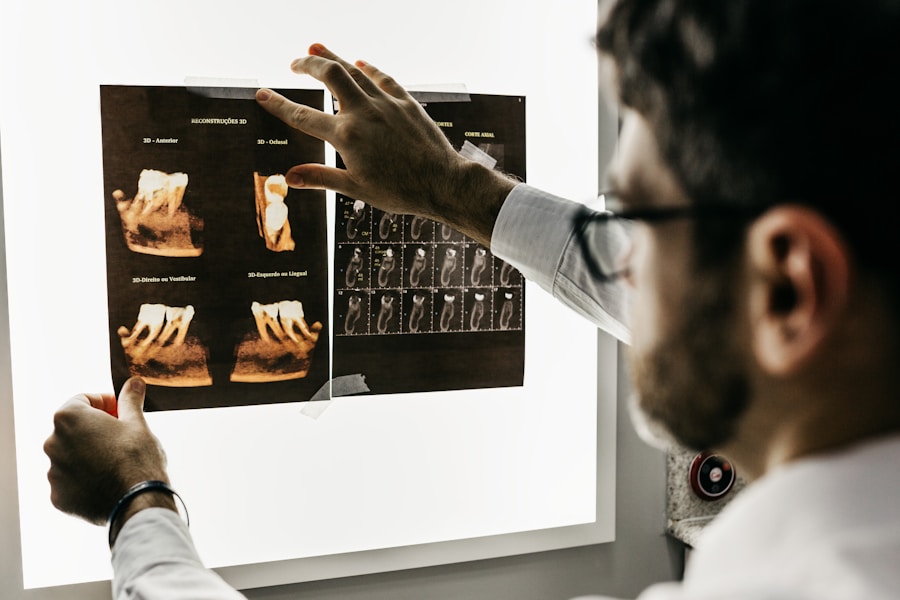
- Take dental X-rays and intraoral scans: This provides detailed imaging of your teeth, roots, and jawbone.
- Discuss your treatment goals: Understanding what you hope to achieve from the treatment is crucial.
This initial phase is about diagnosing the problem, understanding its root cause, and establishing a baseline against which progress will be measured.
Developing the Personalized Treatment Plan
Based on the assessment, your orthodontist will craft a tailored treatment plan. This plan is not a one-size-fits-all solution; it is as unique as your smile.
Digital Smile Simulation
A key feature of Invisalign is the ability to create a digital “clin-check” or smile simulation. This allows you to visualize how your teeth will move throughout treatment and what your final smile will look like before you even begin. This visual representation can be a powerful motivator and helps set realistic expectations.
Setting Milestones and Check-ins
The treatment plan will outline specific milestones and the frequency of your follow-up appointments. These regular check-ins are essential for:
- Monitoring Progress: Your orthodontist will assess how your teeth are responding to the aligners and make adjustments if necessary.
- Receiving New Sets of Aligners: You will typically pick up new sets of aligners at these appointments.
- Addressing Any Issues: Any discomfort, fit issues, or concerns can be addressed promptly.
These appointments act as checkpoints on your journey, ensuring you are on the right track and addressing any deviations from the anticipated path.
Making Adjustments to the Treatment Plan
Orthodontic treatment is not always a perfectly linear progression. Sometimes, adjustments are necessary to optimize results.
Refinements
If teeth are not moving as predicted or if minor corrections are needed at the end of the initial treatment phase, a refinement stage may be implemented. This involves a new series of aligners designed to fine-tune the results.
Advanced Anchorage and Elastics
In some complex cases, additional tools might be used to facilitate tooth movement. These can include:
- Attachments: Small tooth-colored composite bumps bonded to teeth, which help the aligners grip and guide tooth movement more effectively.
- Elastics: Rubber bands worn in conjunction with aligners to correct bite issues and further guide tooth positioning.
These are akin to the specialized tools a craftsman might use to achieve intricate details in their work.
Achieving a Confident Smile with Invisalign
The ultimate goal of Invisalign treatment for crowding is not just straighter teeth, but a renewed sense of self-assurance. The journey, while requiring commitment, can lead to significant personal benefits.
Improved Oral Health
As mentioned earlier, crowded teeth can harbor plaque and make effective brushing and flossing difficult, increasing the risk of dental problems. Correcting crowding promotes better oral hygiene, reducing the likelihood of cavities and gum disease. A well-aligned smile is a healthier smile.
Enhanced Aesthetics and Self-Esteem
The visual impact of a straighter smile is undeniable. For many, the confidence gained from a more aesthetically pleasing smile extends beyond their appearance.
Increased Social Confidence
A smile is often the first thing people notice. When you feel confident about your smile, you are more likely to engage socially, laugh freely, and express yourself without reservation.
Positive Psychological Impact
Feeling good about your appearance can have a profound positive effect on overall well-being and mental health. The boost in self-esteem can translate into greater assertiveness and a more optimistic outlook on life.
Long-Term Retention of Results
Once your Invisalign treatment is complete, maintaining your new smile is crucial. This typically involves wearing retainers.
Retainer Wear
Retainers are custom-made devices, similar in appearance to aligners, that hold your teeth in their corrected positions. They are usually worn at night. This step is non-negotiable for long-term success. Without retainers, teeth have a natural tendency to drift back to their original positions, a phenomenon known as relapse. Think of retainers as a protective fence around your meticulously arranged garden.
Importance of Regular Dental Check-ups
Continuing with regular dental check-ups with your orthodontist and general dentist is vital. These appointments ensure that your retainers are fitting correctly and that your teeth remain healthy and stable.
In conclusion, while the exact duration of Invisalign treatment for crowding varies based on individual factors, a proactive approach, consistent compliance, and effective guidance from your orthodontist are key to achieving a straighter, more confident smile. The investment in time and effort can yield significant, lifelong benefits, both in terms of oral health and personal well-being.