Wisdom teeth, also known as third molars, are the last teeth to erupt in the oral cavity. They typically emerge between the ages of 17 and 25. While some individuals experience no issues with wisdom teeth, many encounter pain and discomfort due to their late development and potential for impaction. This article provides information on managing wisdom tooth pain and strategies for preventing future complications.
Understanding Wisdom Tooth Pain
Wisdom tooth pain arises from various factors related to their late eruption and often constrained oral space. As these molars push through the gums, they can cause localized inflammation and soreness.
Common Causes of Pain
Several conditions contribute to the discomfort associated with wisdom teeth:
- Impaction: When a wisdom tooth cannot fully erupt due to a lack of space or obstruction by other teeth, it is considered impacted. This can lead to pain as it attempts to break through bone and gum tissue. Impaction can be partial, where a portion of the tooth is visible, or full, where the tooth remains entirely beneath the gum line.
- Pericoronitis: This is an inflammation of the gum tissue surrounding a partially erupted wisdom tooth. Food particles and bacteria can easily accumulate beneath the flap of gum (operculum) covering the tooth, leading to infection, swelling, and significant pain. The operculum acts like a small tent, trapping debris and creating an ideal environment for bacterial growth.
- Crowding and Misalignment: Even if a wisdom tooth erupts fully, if there isn’t adequate space, it can push against existing teeth, causing them to shift and resulting in generalized pressure and pain in the jaw. This crowding can also make cleaning difficult, increasing the risk of cavities.
- Cyst Formation: In some cases, a fluid-filled sac, or cyst, can develop around an impacted wisdom tooth. These cysts can grow, putting pressure on nerves, bone, and surrounding teeth, leading to pain and potentially damaging the jaw structure.
- Tooth Decay: wisdom teeth are often difficult to clean adequately due to their position at the back of the mouth. This can make them more susceptible to tooth decay, which can cause pain, sensitivity, and eventually infection.
Symptoms of Wisdom Tooth Pain
Recognizing the symptoms of wisdom tooth pain is crucial for timely intervention.
- Localized Pain: A primary symptom is a persistent ache or sharp throbbing pain in the back of the jaw, often radiating towards the ear or temple.
- Swelling and Tenderness: The gum tissue around the affected area may become swollen, red, and tender to the touch.
- Difficulty Chewing and Opening Mouth: Inflammation and pain can make it challenging to chew food or open the mouth fully (trismus).
- Bad Breath (Halitosis) and Unpleasant Taste: These symptoms can indicate an infection, particularly with pericoronitis, where bacteria proliferate.
- Headaches: Referred pain from the jaw can manifest as headaches.
- Jaw Stiffness: The muscles surrounding the jaw may become stiff and sore.
Immediate Relief Measures
When wisdom tooth pain strikes, several immediate measures can help alleviate discomfort while you await professional dental evaluation. These are temporary solutions, not replacements for professional care.
Over-the-Counter Pain Relief
For mild to moderate pain, over-the-counter medications can provide temporary relief.
- NSAIDs (Nonsteroidal Anti-inflammatory Drugs): Medicines such as ibuprofen (Advil, Motrin) or naproxen (Aleve) are effective in reducing both pain and inflammation. Follow dosage instructions carefully.
- Acetaminophen (Tylenol): This can help manage pain, though it does not primarily address inflammation. Combine with NSAIDs if tolerated for broader relief.
Topical Anesthetics
Gels and liquids containing benzocaine can temporarily numb the affected area.
- Orajel or Anbesol: These products can be applied directly to the painful gum tissue. Their effect is short-lived, offering only temporary respite.
Home Remedies and Oral Hygiene
Certain home remedies can complement chemical pain relief and maintain oral hygiene.
- Saltwater Rinses: Rinsing with warm salt water several times a day can help reduce inflammation and kill bacteria. This acts like a soothing bath for the inflamed tissue, dislodging food particles and promoting healing. Dissolve half a teaspoon of salt in a glass of warm water.
- Cold Compress: Applying an ice pack or a cold compress to the outside of the jaw can help reduce swelling and numb the area. Use for 15-20 minutes at a time, with breaks in between.
- Clove Oil: Clove oil has natural analgesic and antiseptic properties. A small amount can be applied to a cotton ball and placed directly on the affected tooth or gum. Caution is advised as it can be strong.
When to Seek Professional Help
While home remedies and over-the-counter medications can provide temporary relief, persistent or severe wisdom tooth pain warrants immediate professional dental attention. Ignoring these signs can lead to more serious complications.
Signs Indicating a Dental Visit
Be aware of symptoms that necessitate a prompt appointment with your dentist.
- Severe Pain: If the pain is intense, throbbing, and not manageable with over-the-counter medications.
- Spreading Swelling: Swelling that extends beyond the immediate tooth area, affecting the cheek or neck, could indicate a spreading infection.
- Difficulty Swallowing or Breathing: These are serious signs of a severe infection that requires immediate medical intervention. The infection may be compromising airways.
- Fever: A fever, especially accompanied by other symptoms, suggests a systemic infection.
- Pus Drainage: The presence of pus around the tooth indicates an active infection that needs professional treatment.
Dental Examination and Diagnosis
During your dental visit, the dentist will conduct a thorough examination.
- Visual Inspection: The dentist will visually inspect your mouth and the affected area, looking for signs of swelling, redness, and decay.
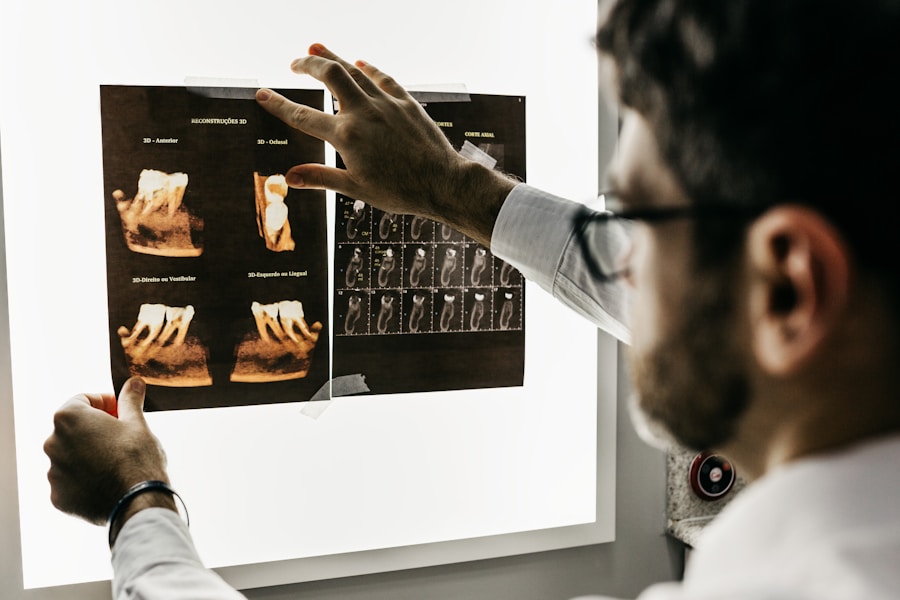
- X-rays: Dental X-rays, particularly panoramic X-rays, are crucial for assessing the position of the wisdom teeth, identifying impaction, evaluating the condition of surrounding bone and nerves, and detecting cysts or tumors. These images provide a subsurface map of your oral architecture.
- Discussion of Symptoms: You will be asked about the nature, duration, and severity of your pain, as well as any other associated symptoms.
Treatment Options
The treatment for wisdom tooth pain depends largely on the underlying cause and the specific condition of the teeth.
Antibiotics
If an infection (like pericoronitis) is present, the dentist may prescribe antibiotics to eliminate the bacteria and reduce inflammation before any further procedures are performed. This helps to create a sterile environment for subsequent interventions.
Irrigation and Cleaning
For pericoronitis, the dentist may irrigate the inflamed gum flap to flush out trapped food particles and bacteria. This, coupled with instructions on maintaining meticulous oral hygiene, can often resolve milder cases.
Wisdom tooth Extraction
Extraction is a common and often necessary treatment for problematic wisdom teeth.
- Indications for Extraction: Extraction is typically recommended for impacted wisdom teeth, recurrent pericoronitis, significant crowding, decay that cannot be treated, cyst formation, or when a wisdom tooth is causing damage to adjacent teeth. It’s often viewed as removing a faulty gear from a complex machine to prevent further damage.
- Types of Extraction:
- Simple Extraction: If the tooth has fully erupted and is easily accessible, it can be removed in a relatively straightforward procedure under local anesthesia. The dentist uses instruments to loosen and extract the tooth.
- Surgical Extraction: Impacted wisdom teeth or those with complex root structures require a surgical approach. This involves making an incision in the gum tissue, and sometimes removing a small amount of bone, to access and remove the tooth. The tooth may be sectioned into smaller pieces for easier removal. This procedure is typically performed under local anesthesia with sedation, or in some cases, general anesthesia.
Post-Extraction Care
Proper post-extraction care is critical for healing and preventing complications.
- Pain Management: Your dentist will prescribe pain medication or recommend over-the-counter options. Follow instructions carefully.
- Swelling Reduction: Apply ice packs to the outside of the jaw to minimize swelling.
- Bleeding Control: Bite down gently on a gauze pad to control bleeding. Change the gauze as directed.
- Diet: Stick to soft foods for the first few days and avoid very hot or cold items.
- Oral Hygiene: Gently rinse with warm salt water after 24 hours (do not spit immediately after surgery). Avoid brushing directly over the extraction site.
- Activities: Avoid strenuous activity, smoking, and drinking through a straw for at least 72 hours, as these can dislodge the blood clot and lead to dry socket.
- Dry Socket: This painful condition occurs when the blood clot at the extraction site dislodges or dissolves prematurely, exposing the underlying bone and nerves. If you experience severe, persistent pain that radiates to your ear or neck, along with a foul taste or odor, contact your dentist.
Preventing Future Issues
While some wisdom tooth complications are unavoidable, proactive measures can reduce the likelihood of future problems.
Regular Dental Check-ups
Routine dental examinations are paramount for monitoring the development of wisdom teeth. Your dentist can assess their position and detect potential problems before they become symptomatic. Regular check-ups are like early warning systems, allowing for timely intervention.
Good Oral Hygiene Practices
Maintaining excellent oral hygiene is always beneficial, particularly with wisdom teeth.
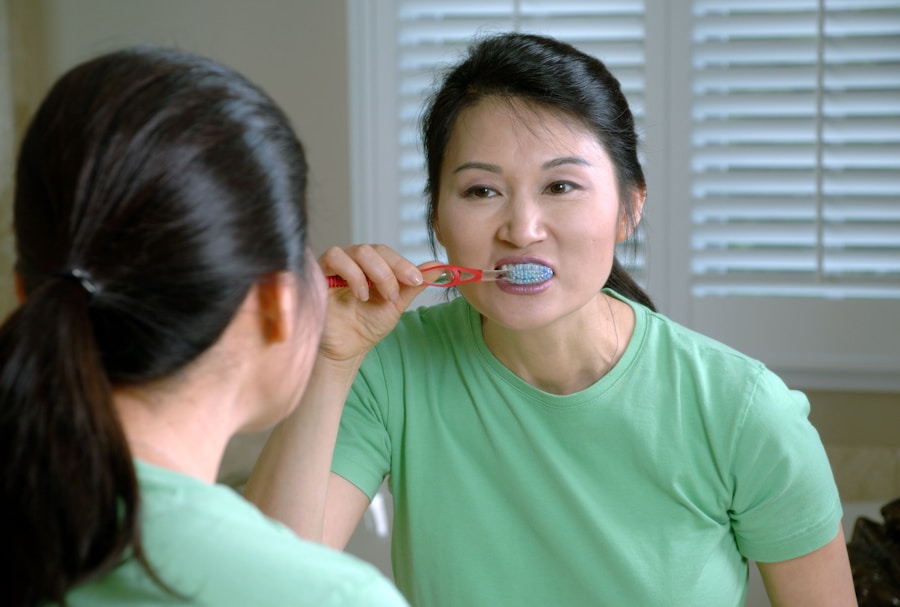
- Thorough Brushing: Brush at least twice a day, paying extra attention to the very back of your mouth where wisdom teeth are located. Use a soft-bristled brush.
- Daily Flossing: Floss daily to remove food particles and plaque from between teeth and around the gum line.
- Antiseptic Mouthwash: Using an antiseptic mouthwash can help reduce bacteria and prevent infections.
Proactive Extraction
In some cases, dentists may recommend prophylactic extraction of wisdom teeth, even if they are not currently causing pain.
- Rationale for Prophylactic Extraction:
- Impending Impaction: If X-rays indicate that wisdom teeth are highly likely to become impacted and cause problems in the future.
- Prevention of Crowding: To prevent wisdom teeth from pushing against and misaligning other teeth.
- Risk of Cysts/Tumors: To eliminate the potential for cyst or tumor formation associated with impacted teeth.
- Easier Recovery: Younger individuals often experience an easier recovery process after wisdom tooth extraction due to more resilient bone and tissue.
Monitoring Eruption
If your wisdom teeth are erupting without issues, regular monitoring by your dentist is still important. They can track the eruption path and ensure that the teeth are aligning correctly and adequately cleaned. This allows for early detection of potential shifts or changes that could lead to future problems.
Wisdom tooth pain can be a significant source of discomfort. By understanding its causes, knowing when to seek professional help, and adhering to recommended treatment and preventative measures, you can effectively manage this common oral health challenge and maintain long-term oral well-being.