
A dental crown is a prosthetic device placed over a damaged tooth, restoring its shape, size, strength, and appearance. They are integral to restorative dentistry, serving various functions from covering a discolored or misshapen tooth to protecting a weak tooth from fracture. While the immediate cost of a crown might seem straightforward, a comprehensive understanding requires an examination of numerous factors beyond the initial price tag. This guide aims to delineate the true cost of dental crowns, empowering you to make informed decisions regarding your oral health investments.
The Foundation: Understanding Dental Crowns
Before delving into costs, a foundational understanding of dental crowns is essential. Crowns act as a cap, fully encasing the visible portion of a tooth above the gum line. They are custom-made to fit the individual tooth and mouth.
Indications for Dental Crowns
Crowns are prescribed for a variety of dental issues. Common indications include:
- Protecting a weak tooth from breaking: For teeth weakened by large fillings, significant decay, or a root canal, a crown provides reinforcement and prevents further damage.
- Restoring an already broken tooth or a tooth severely worn down: Crowns can rebuild the structure of compromised teeth, improving their function and aesthetics.
- Covering and supporting a tooth with a large filling when there isn’t a lot of tooth left: When a filling occupies a substantial portion of the tooth, a crown provides stability and prevents catastrophic failure.
- Holding a dental bridge in place: Crowns act as anchors for bridges, securing artificial teeth to adjacent natural teeth.
- Covering misshapen or severely discolored teeth: Crowns offer an aesthetic solution for teeth that are cosmetically unappealing.
- Covering a dental implant: Once an implant replaces a missing tooth root, a crown is typically placed on top to complete the restoration.
Types of Dental Crowns
The material used for a crown significantly impacts its cost, durability, and aesthetic properties. Each material presents a unique set of advantages and disadvantages.
- Porcelain Fused to Metal (PFM) Crowns: These crowns consist of a metal substructure covered with a layer of porcelain. They offer a good balance of strength and aesthetics, though the metal can sometimes show through at the gum line, especially as gums recede.
- All-Ceramic/All-Porcelain Crowns: These crowns are entirely made from ceramic materials like zirconia or e-max. They provide the most natural appearance, mimicking the translucency of natural teeth, making them suitable for front teeth. Their strength has improved significantly over time.
- Metal Crowns: Typically made from gold alloys, palladium, or base-metal alloys, these crowns are renowned for their strength and longevity. They are highly resistant to fracture and wear, making them suitable for molars. They are less aesthetic due to their metallic color.
- Resin Crowns: Made from a composite resin material, these are generally the least expensive option. However, they are also the least durable and most prone to wear and fracture, making them a temporary solution or suitable for less demanding areas.
The Immediate Cost: Sticker Price and Its Variables
The immediate cost of a dental crown, often referred to as the “sticker price,” is what you are initially quoted by a dental professional. This figure is not uniform and is influenced by several key variables. Think of it as the base price of a car; it doesn’t include all the upgrades or long-term ownership expenses.
Geographic Location
Dental care costs, like many other services, vary significantly by geographic location. Urban areas and regions with a higher cost of living typically have higher dental fees compared to rural areas. This is due to factors such as rent, labor costs, and operational expenses.
Dentist’s Experience and Practice Overhead
Highly experienced dentists or those with specialized training may command higher fees. Similarly, practices with state-of-the-art equipment, advanced technology, and a larger support staff often have higher overheads, which can translate to increased costs for patients. A practice that invests in CAD/CAM technology for same-day crowns, for example, may have a higher initial cost but offers convenience.
Type of Crown Material
As discussed, the choice of material is a primary cost driver. All-ceramic crowns, particularly those made from advanced materials like zirconia, are generally more expensive due to the cost of the material itself and the specialized manufacturing processes involved. Metal crowns, while durable, can also be costly, especially if they contain high noble metal content (e.g., gold). Resin crowns tend to be the most affordable upfront.
Complexity of the Procedure
The condition of the tooth requiring the crown plays a crucial role. If the tooth needs extensive preparation, such as a core buildup (filling in a portion of the tooth structure before crown placement) or a root canal, these additional procedures will add to the overall cost. A simple crown placement on an otherwise healthy tooth will be less expensive than a crown requiring preliminary restorative work.
The Hidden Costs: Beyond the Initial Quote
True cost extends beyond the initial payment. Like an iceberg, a significant portion of the cost of a dental crown lies beneath the surface, encompassing potential future expenses and less tangible factors. It’s crucial to consider these “hidden costs” to fully grasp the financial implications.
Diagnostic Procedures
Before a crown can be placed, diagnostic procedures are necessary. These typically include X-rays to assess the tooth’s root structure, bone health, and surrounding tissues, and sometimes a comprehensive oral examination. While often covered by insurance or bundled into the overall treatment plan, they represent an initial outlay before the crown procedure even begins.
Preparatory Procedures
The tooth often requires preparation before a crown can be cemented. This can involve:
- Build-up: If a significant portion of the tooth is missing due to decay or fracture, a core build-up using composite resin or amalgam may be necessary to provide a stable foundation for the crown.
- Root Canal Treatment: If the tooth’s pulp is infected or inflamed, a root canal may be required before crown placement to avoid future complications. This is a separate, often substantial, cost.
- Gum Contouring: In some cases, minor gum surgery might be needed to expose more tooth structure or improve the gum line aesthetics, adding to the expense.
Temporary Crowns
During the period between tooth preparation and the placement of the permanent crown (which can be several weeks for lab-fabricated crowns), a temporary crown is used. While often included in the overall crown fee, there can be additional costs if the temporary crown needs repair or replacement due to dislodgement or damage.
Anesthesia and Sedation
Local anesthesia is standard for crown preparation and is usually included. However, if you require or request additional sedation (e.g., nitrous oxide, oral sedation, or IV sedation) due to anxiety or complex procedures, these services will incur extra charges.
The Long-Term Costs: Maintenance and Potential Replacements
A dental crown is an investment, not a one-time fix. Its longevity and thus its true cost are heavily influenced by long-term maintenance and the potential need for replacement. This is the financial equivalent of factoring in fuel, insurance, and eventual repairs for a vehicle.
Oral Hygiene Practices
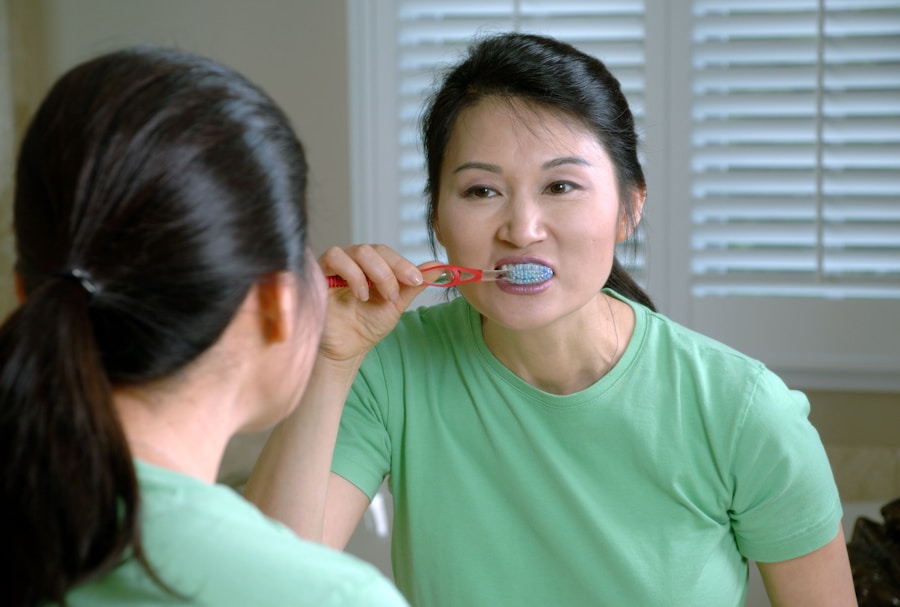
Proper oral hygiene is paramount for the longevity of a crown. This includes regular brushing, flossing around the crown, and using interdental cleaners. Neglecting these practices can lead to secondary decay around the margins of the crown or gum disease, which can compromise the crown’s fit and necessitate its replacement. While not a direct monetary cost, the effort and discipline required are a form of investment.
Regular Dental Check-ups and Cleanings
Routine professional cleanings and check-ups allow your dentist to monitor the health of your crown and the surrounding tooth structure. Early detection of issues like marginal leakage or gum inflammation can prevent more extensive and costly problems down the line. These appointments are recurring costs but are essential for maximizing the crown’s lifespan.
Potential for Repair or Replacement
Even with meticulous care, crowns do not last indefinitely. Their lifespan typically ranges from 5 to 15 years, though some can last longer. Factors that shorten their lifespan include:
- Trauma: Accidental injury to the mouth can fracture or dislodge a crown.
- Bruxism (Teeth Grinding): Chronic teeth grinding can wear down or chip the crown material, especially porcelain, necessitating repair or replacement. Wearing a nightguard can mitigate this risk.
- Secondary Decay: Decay can develop under or around the margins of a crown, compromising its integrity and requiring its removal, treatment of the decay, and a new crown.
- Gum Recession: As gums recede, the crown margin may become exposed, leading to aesthetic concerns or increased sensitivity. In some cases, this necessitates crown replacement.
The cost of replacing a crown is comparable to the initial cost, plus any additional procedures required to address the underlying issue that led to its failure.
The Role of Dental Insurance and Payment Options
Navigating the financial landscape of dental crowns often involves understanding the intricacies of dental insurance and available payment options. These can significantly impact your out-of-pocket expenses.
Understanding Dental Insurance Coverage
Most dental insurance plans provide some coverage for dental crowns, as they are considered a major restorative procedure. However, the extent of coverage varies widely:
- Percentage Coverage: Plans typically cover a percentage of the crown cost, often ranging from 50% to 80% after a deductible is met.
- Annual Maximums: Most plans have an annual maximum benefit, which is the cap on how much the insurance company will pay in a given year. If your crown costs, combined with other dental work, exceed this maximum, you will be responsible for the remainder.
- Waiting Periods: Some insurance plans have waiting periods for major procedures like crowns, meaning you must be enrolled for a certain period (e.g., 6-12 months) before coverage for these services kicks in.
- Pre-authorization: Many insurance companies require pre-authorization for crowns. The dentist sends a treatment plan to the insurer for approval of coverage and estimated benefits before the procedure. This helps avoid unexpected out-of-pocket costs.
- Exclusions and Limitations: Certain crown materials or procedures might be excluded or covered at a lower percentage based on the specific plan. For example, some plans may cover a PFM crown but only partially cover a more expensive all-ceramic option if a PFM is deemed clinically adequate.
It is crucial to contact your insurance provider directly or have your dental office verify your specific benefits to get an accurate estimate of your out-of-pocket costs.
Payment Plans and Financing
For those without adequate insurance coverage or facing substantial out-of-pocket expenses, several payment options are often available:
- In-Office Payment Plans: Some dental practices offer their own interest-free payment plans, allowing you to spread the cost over several months.
- Third-Party Financing: Companies like CareCredit or LendingClub offer specialized healthcare credit cards with deferred interest options if paid within a promotional period. These can be valuable for managing larger dental expenses.
- Health Savings Accounts (HSAs) and Flexible Spending Accounts (FSAs): If you have an HSA or FSA through your employer or independently, you can use pre-tax dollars to pay for dental crowns, effectively reducing your taxable income. This is a highly advantageous way to pay for qualified medical expenses.
- Dental Schools: Dental schools often provide lower-cost treatment for a variety of procedures, including crowns, as part of their training programs. Treatment is supervised by experienced faculty members.
- Community Dental Clinics: Non-profit or community-based dental clinics sometimes offer reduced fees for dental services to eligible individuals based on income.
Understanding the true cost of a dental crown involves seeing it not just as a single transaction, but as an investment into your oral health. This investment encompasses the immediate costs, hidden preparatory expenses, long-term maintenance, and potential future replacements. By comprehensively evaluating all these factors, you can make an informed decision that aligns with both your health needs and your financial capacity.






Leave a Reply