Dental crowns are a common restorative procedure, acting as caps cemented over damaged teeth. They aim to restore a tooth’s shape, size, strength, and appearance. While often necessary for oral health, the financial implications of dental crowns can be substantial. This guide aims to provide a comprehensive breakdown of the true cost, moving beyond the direct price tag to encompass various contributing factors. Understanding these elements is crucial for informed decision-making and effective financial planning.
The Direct Cost of a Dental Crown
The most immediate and apparent component of the “true cost” is the direct fee charged by the dental practice. This fee is not uniform and varies significantly based on several key factors.
Material Selection
The material used for a dental crown is a primary determinant of its price. Each material offers a unique balance of aesthetics, durability, and cost.
- Porcelain Crowns: These are often chosen for their aesthetic appeal, as they can be matched to the natural color of surrounding teeth. They are a popular choice for front teeth due to their cosmetic advantages. While aesthetically pleasing, porcelain can be more prone to chipping or cracking compared to metal-based crowns. The cost of porcelain crowns typically ranges from \$800 to \$3,000 per tooth.
- Porcelain Fused to Metal (PFM) Crowns: PFM crowns combine the strength of a metal substructure with the aesthetics of a porcelain outer layer. This combination provides a durable and reasonably aesthetic solution. However, the metal base can sometimes show through as a dark line at the gum line, especially as gums recede over time. The cost for PFM crowns generally falls between \$700 and \$1,800.
- Metal Crowns (Gold Alloys, Nickel-Chromium): Metal crowns, particularly gold alloys, are known for their exceptional durability and longevity. They are resistant to fractures and wear, making them suitable for molars where biting forces are significant. Their metallic appearance makes them less aesthetically desirable for visible teeth. Non-precious metal alloys, such as nickel-chromium, offer a more economical option with similar strength characteristics, though some individuals may have sensitivities to these metals. Metal crowns typically range from \$600 to \$1,500.
- Zirconia Crowns: Zirconia is a strong, biocompatible ceramic material gaining popularity. Zirconia crowns offer a good balance of strength and aesthetics, often surpassing porcelain in durability and approaching its cosmetic appeal. They are an increasingly common choice for both front and back teeth. The cost of zirconia crowns usually ranges from \$1,000 to \$2,500.
- E-max Crowns (Lithium Disilicate): E-max crowns are a type of ceramic crown prized for their translucent appearance, closely mimicking natural tooth enamel. They are strong and highly aesthetic, often used for front teeth due to their superior cosmetic results. Their cost is generally at the higher end, from \$900 to \$2,500.
Geographic Location
Dental costs are influenced by the cost of living and overhead expenses in a particular region. Practices in metropolitan areas or affluent neighborhoods typically have higher prices compared to those in rural or less expensive locales. This principle applies across states and even within different areas of the same city.
Dentist’s Experience and overhead
A highly experienced prosthodontist or a dentist with a specialized focus on restorative dentistry may charge more for their services due to their expertise and reputation. Additionally, practices with state-of-the-art equipment, advanced technology (like CAD/CAM for same-day crowns), and higher operating costs (rent, staff salaries) will often reflect these expenses in their pricing.
Associated Pre-Procedure and Post-Procedure Costs
The true cost extends beyond the crown itself to include procedures required before its placement and potential issues afterward. These additional steps are often non-negotiable for the successful and long-term function of the crown.
Initial Consultation and Diagnostics
Before a crown can be placed, a comprehensive assessment is necessary. This typically includes:
- Examination: The dentist will evaluate the damaged tooth, surrounding teeth, and gum health.
- X-rays: Radiographs are essential to assess the tooth’s root structure, bone support, and detect any underlying issues like decay or infection that might not be visible externally.
- Treatment Planning: Based on the assessment, the dentist develops a treatment plan, which may include the need for a crown.
These initial diagnostic procedures carry their separate fees, which may or may not be bundled into the crown cost by the practice.
Underlying Tooth Treatment
The condition of the tooth receiving the crown significantly impacts the overall cost. A crown is a restorative cap, not a cure for underlying periodontal disease or extensive decay.
- Fillings: If significant decay is present, it must be removed, and a substantial filling may be required before the crown is placed. This ensures a stable foundation for the crown.
- Root Canal Treatment: If the decay has reached the tooth’s pulp, or if the tooth is severely fractured and exposes the nerve, a root canal will be necessary to remove the infected tissue and save the tooth. A root canal adds a significant financial and time commitment before crown placement. Root canal costs can range from \$700 to \$2,000, varying by tooth type (front vs. molar).
- Core Build-Up: If a significant portion of the tooth structure is missing due to decay or fracture, a core build-up is performed to create enough material for the crown to adhere to securely. This involves using a composite resin or other material to rebuild the tooth’s inner structure.
Temporary Crown
During the period between tooth preparation and the placement of the permanent crown (which can be several weeks for lab-fabricated crowns), a temporary crown is often placed. This protects the prepared tooth, maintains its position, and allows for normal chewing while the permanent crown is being made. While generally less expensive, this is an additional component of the overall treatment.
Follow-up Appointments
After the permanent crown is cemented, a follow-up appointment may be scheduled to check the bite, ensure proper fit, and address any post-procedure sensitivity. Some practices may include this in the overall crown cost, while others may charge a separate examination fee.
Insurance Coverage and Out-of-Pocket Expenses
Dental insurance can significantly mitigate the “sticker shock” of a dental crown, but it rarely covers the entire cost. Understanding your policy is paramount.
Understanding Your Dental Plan
Dental insurance plans vary widely in their coverage for restorative procedures.
- Coverage Levels: Most plans categorize dental procedures into preventive, basic, and major. Crowns typically fall under “major” procedures. Coverage for major procedures often ranges from 50% to 80% after the deductible.
- Deductibles: This is the amount you must pay out-of-pocket before your insurance begins to cover costs. Deductibles typically reset annually.
- Annual Maximums: Most dental insurance plans have an annual maximum benefit, which is the total amount your insurance company will pay for your dental care within a year. Once this limit is reached, any further costs for the year become your responsibility. Annual maximums can range from \$1,000 to \$2,000. For extensive work, a single crown might exhaust or significantly deplete this maximum, leaving little coverage for other necessary procedures within the same year.
- Waiting Periods: Some insurance plans impose waiting periods for major procedures like crowns. This means you must be enrolled in the plan for a specific duration (e.g., 6 to 12 months) before coverage for these procedures becomes active.
- In-Network vs. Out-of-Network: Your out-of-pocket costs will generally be lower if you choose a dentist within your insurance plan’s network, as these dentists have agreed to specific negotiated fees. Out-of-network dentists may charge higher fees, and you might be responsible for the difference between what your insurance covers and the dentist’s full fee (balance billing).
Alternative Payment Options
For those without insurance or with high deductibles/low annual maximums, several alternative payment strategies exist.
- Payment Plans: Many dental practices offer in-house payment plans or work with third-party financing companies (e.g., CareCredit) that allow patients to pay for services over time, often with low or no interest for a promotional period.
- Dental Discount Plans: These are not insurance but membership programs where you pay an annual fee to receive discounted rates on dental services from participating dentists. This can be beneficial for those who need significant work and do not have traditional insurance.
- Health Savings Accounts (HSAs) and Flexible Spending Accounts (FSAs): If you have an HSA or FSA through your employer, you can use pre-tax dollars saved in these accounts to pay for dental crowns and other qualified dental expenses. This offers a tax advantage.
- Dental Schools: Dental schools often provide services at a reduced cost. These treatments are performed by supervised dental students, meaning appointments may take longer, but the quality of care is typically high.
Potential Complications and Long-Term Costs
A dental crown, while designed to be durable, is not an eternal solution. Its lifespan and the avoidance of future complications contribute to the “true cost” over time.
Lifespan of a Crown
The longevity of a dental crown is influenced by material, oral hygiene, and individual habits.
- Material: As discussed earlier, some materials inherently last longer. Gold crowns can often last 15-30 years, while porcelain crowns typically last 5-15 years.
- Oral Hygiene: Consistent and thorough oral hygiene (brushing, flossing) is crucial to prevent decay around the margins of the crown and maintain gum health. Poor hygiene can lead to recurrent decay and necessitate crown replacement.
- Habits: Bruxism (teeth grinding or clenching) can put excessive stress on crowns, leading to fractures or wear. Patients with bruxism may require a nightguard, an additional expense, to protect their crowns. Chewing on hard foods, ice, or using teeth as tools can also damage crowns.
Eventually, even a well-maintained crown will need replacement due to wear, chipping, or new decay underneath. The cost of a replacement crown, including any necessary preparatory work, will again fall upon the patient.
Potential Post-Procedure Issues
While dental crowns are generally successful, complications can arise, adding to the overall cost.
- Sensitivity: Some patients experience sensitivity to hot or cold after a crown is placed. This often subsides but can persist for some.
- Gum Irritation/Inflammation: Improperly contoured crowns or poor oral hygiene can lead to gum irritation or inflammation around the crown.
- Chipping or Fracture: Crowns, especially porcelain ones, can chip or fracture. Small chips might be polished, but larger chips or fractures often necessitate crown replacement.
- Loose Crown: The cement holding the crown can sometimes fail, causing the crown to become loose or fall off. If the underlying tooth is intact, the crown can often be recemented, though there may be a fee for this.
- Recurrent Decay: Although the crown itself is immune to decay, the underlying tooth structure around its margins can still be susceptible. If decay occurs and is extensive, the crown may need to be removed, the decay treated (possibly with a root canal), and a new crown fabricated.
- Need for Root Canal: Occasionally, the tooth prepared for a crown may experience trauma or irritation during the procedure, leading to inflammation or infection of the pulp, necessitating a root canal after the crown is placed. This is an additional, unforeseen cost.
The Value Proposition and Preventative Measures
Considering the various costs associated with dental crowns, it is helpful to view the procedure as an investment in oral health and quality of life. The “true cost” encompasses not just the upfront payment but also the long-term benefits and potential for future expenses.
The Value of a Dental Crown
A dental crown, when appropriately placed, can:
- Restore Function: It allows you to chew properly, restoring the tooth’s biting surface and preventing further damage to the remaining tooth structure.
- Improve Aesthetics: For visible teeth, crowns can significantly enhance the smile and self-confidence.
- Protect Weakened Teeth: By encasing a damaged tooth, a crown provides strength and prevents further fracturing or breakdown, acting as a safeguard to preserve the tooth. Without a crown, a compromised tooth could deteriorate further, potentially requiring extraction and more expensive replacements like bridges or implants.
- Preserve Tooth Alignment: A damaged tooth, if not restored, can lead to shifting of adjacent teeth, affecting bite alignment and potentially leading to other dental problems. A crown helps maintain the natural spacing and alignment.
- Avoid More Expensive Treatments: While a crown is an expense, it is often a more conservative and less costly option than allowing a damaged tooth to worsen to the point of needing extraction and replacement with a dental implant or a fixed bridge, which can be significantly more expensive.
Strategies for Cost Mitigation and Prevention
Proactive measures and informed choices can help reduce the overall cost of dental crowns.
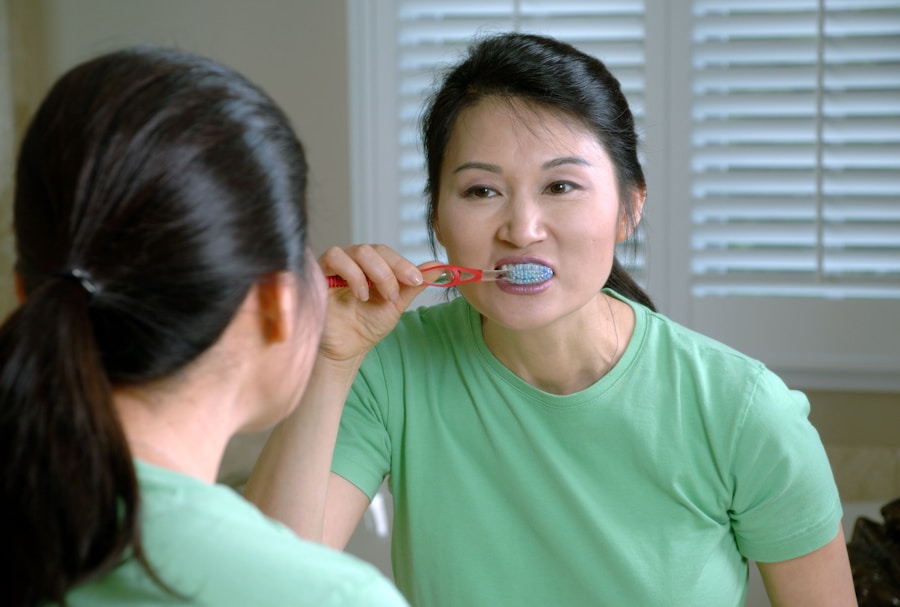
- Excellent Oral Hygiene: The most fundamental and cost-effective strategy is meticulous daily oral hygiene. Regular brushing, flossing, and using mouthwash significantly reduce the risk of decay and gum disease, which are primary reasons for needing crowns.
- Regular Dental Check-ups: Routine examinations and cleanings (typically every six months) allow dentists to detect problems early. Addressing issues like small cavities with fillings before they become extensive and require crowns is far less expensive.
- Dietary Choices: Limiting sugary foods and drinks reduces the risk of cavities. Acidic foods and beverages can also erode tooth enamel, making teeth more susceptible to damage.
- Address Bruxism: If you grind or clench your teeth, especially at night, discuss this with your dentist. A custom-made nightguard can protect your teeth (and existing crowns) from excessive wear and fracture, preventing costly damage.
- Discuss Options with Your Dentist: Always discuss material options and their implications for cost and durability with your dental professional. Inquire about payment plans, financing options, and an itemized breakdown of costs.
- Maximize Insurance Benefits: Understand your dental insurance policy thoroughly. Plan major procedures to align with your annual maximums and deductible cycles. If extensive work is needed, sometimes spreading treatment over two calendar years can maximize insurance contributions.
- Get Multiple Quotes: For non-emergency procedures, it can be beneficial to obtain quotes from a few different dental practices, comparing not just the price but also the treatment plan, material options, and the dentist’s experience.
Ultimately, the “true cost” of a dental crown is a multifaceted figure encompassing the direct procedure fee, necessary preliminary treatments, the long-term considerations of maintenance, potential complications, and the value derived from restoring oral health. By understanding these components, individuals can make more informed decisions, manage their expectations, and proactively mitigate future dental expenses.