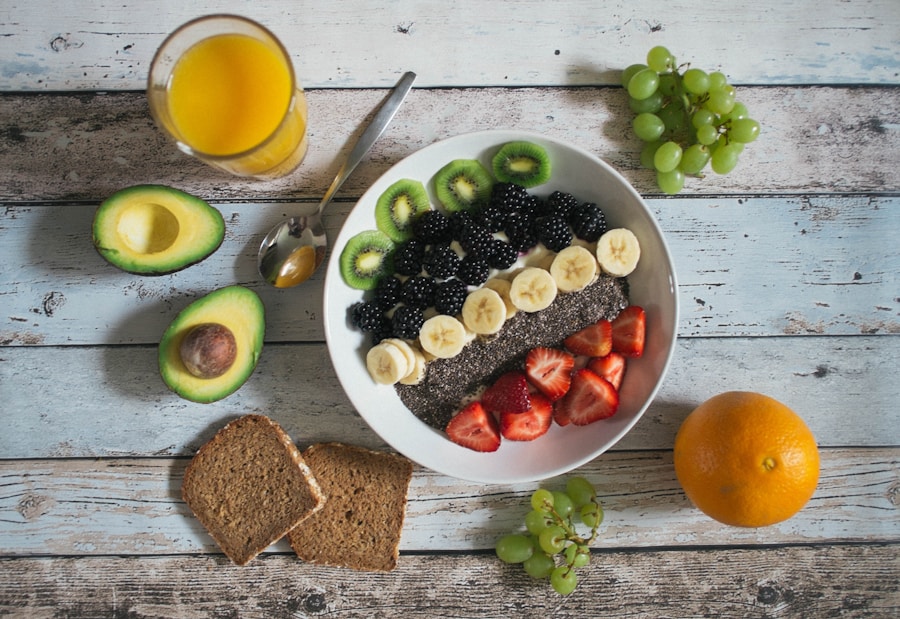
Prediabetes, a condition characterized by blood glucose levels higher than normal but not yet high enough to be classified as type 2 diabetes, presents a critical crossroads. The good news is that prediabetes is not a permanent sentence. Through deliberate and informed lifestyle modifications, it is often possible to steer back to a healthier trajectory, effectively reversing the prediabetic state and significantly lowering the risk of developing type 2 diabetes. This article explores the science-backed strategies that empower you to take control and build a healthier future.
Understanding Prediabetes: A Wake-Up Call
Prediabetes signifies that your body is beginning to struggle with how it processes glucose (sugar). This doesn’t mean you have diabetes, but it’s a strong indicator that if current habits persist, the transition to full-blown type 2 diabetes is likely. Think of it as a flickering warning light on your car’s dashboard; it demands attention before a more serious breakdown occurs.
What Are the Defining Numbers?
The diagnosis of prediabetes is typically based on blood tests that measure your glucose levels. These include:
- Fasting Plasma Glucose (FPG) Test: This test measures your blood sugar after an overnight fast (at least 8 hours without eating or drinking anything other than water).
- Normal: Below 100 mg/dL (5.6 mmol/L)
- Prediabetes: 100 to 125 mg/dL (5.6 to 6.9 mmol/L)
- Diabetes: 126 mg/dL (7.0 mmol/L) or higher
- A1C Test (Glycated Hemoglobin Test): This test provides an average of your blood sugar levels over the past two to three months. It reflects how much glucose has attached to your hemoglobin, a protein in red blood cells.
- Normal: Below 5.7%
- Prediabetes: 5.7% to 6.4%
- Diabetes: 6.5% or higher
- Oral Glucose Tolerance Test (OGTT): This test measures your blood sugar before and two hours after you drink a special sugary liquid.
- Normal (2-hour result): Below 140 mg/dL (7.8 mmol/L)
- Prediabetes (2-hour result): 140 to 199 mg/dL (7.8 to 11.0 mmol/L)
- Diabetes (2-hour result): 200 mg/dL (11.1 mmol/L) or higher
Why Does Prediabetes Happen?
At its core, prediabetes often arises from insulin resistance. Insulin is a hormone produced by your pancreas that acts like a key, unlocking your cells to allow glucose from your bloodstream to enter for energy. When you have insulin resistance, your cells don’t respond as well to insulin’s signal. Your pancreas then works harder to produce more insulin to compensate. Over time, this can lead to elevated blood sugar levels.
The Role of Insulin Resistance
Insulin resistance is a complex metabolic state. Factors that contribute include:
- Excess Body Fat, Especially Around the Waist: Visceral fat, the fat surrounding your abdominal organs, is metabolically active and can release substances that interfere with insulin signaling. This is often referred to as an “apple” body shape.
- Lack of Physical Activity: When muscles are not regularly used, they become less efficient at taking up glucose from the blood, even with insulin present.
- Genetics: A family history of type 2 diabetes increases your susceptibility to developing insulin resistance.
- Age: The risk of insulin resistance increases with age, generally after age 45.
- Certain Medical Conditions: Conditions like polycystic ovary syndrome (PCOS) and gestational diabetes can also contribute to insulin resistance.
The Potential for Reversal
The encouraging news is that prediabetes is a reversible condition for many individuals. Unlike established type 2 diabetes, where the damage to insulin-producing cells may be more extensive, prediabetes often represents an earlier stage where interventions can effectively restore insulin sensitivity and bring blood glucose levels back into the normal range. This reversal is not about a magic bullet but about a dedicated commitment to lifestyle changes that address the root causes of insulin resistance.
The Cornerstone of Change: Nutrition
What you eat directly impacts your blood glucose levels and your body’s response to insulin. Shifting your dietary habits is arguably the most powerful tool in your arsenal for reversing prediabetes. It’s about making sustainable choices that nourish your body, not about restrictive deprivation.
Prioritizing Whole, Unprocessed Foods
The foundation of a prediabetes-reversing diet is a focus on whole, unprocessed foods. These foods are rich in nutrients and fiber, which help regulate blood sugar and promote satiety.
Fiber: Your Blood Sugar’s Best Friend
Fiber, found in fruits, vegetables, whole grains, and legumes, plays a crucial role. It slows down the digestion and absorption of carbohydrates, preventing sharp spikes in blood glucose after meals.
- Soluble Fiber: Dissolves in water and forms a gel-like substance, which can help lower blood cholesterol and glucose levels. Sources include oats, barley, nuts, seeds, beans, lentils, and certain fruits like apples and citrus fruits.
- Insoluble Fiber: Adds bulk to stool and helps food pass more quickly through the digestive system. Sources include whole wheat flour, bran, nuts, and vegetables like cauliflower, green beans, and potatoes.
The Glycemic Index and Glycemic Load: Understanding Carb Impact
When choosing carbohydrate sources, consider their glycemic index (GI) and glycemic load (GL).
- Glycemic Index (GI): A ranking of carbohydrates in foods based on how quickly they raise blood glucose levels after eating. Foods with a low GI are digested and absorbed more slowly, causing a lower and slower rise in blood sugar.
- Glycemic Load (GL): Takes into account both the GI of a food and the amount of carbohydrate in a serving. It provides a more complete picture of a food’s impact on blood sugar.
Opting for low-GI and low-GL foods can be a strategic approach. Examples include:
- Low-GI Vegetables: Broccoli, spinach, kale, bell peppers, tomatoes, carrots, sweet potatoes.
- Low-GI Fruits: Berries, apples, pears, cherries, plums.
- Low-GI Grains: Oats, barley, quinoa, brown rice.
- Legumes: Lentils, chickpeas, black beans, kidney beans.
Smart Carbohydrate Choices
Not all carbohydrates are created equal. While it’s important to manage overall carbohydrate intake, focusing on quality is key.
Complex vs. Simple Carbohydrates
- Complex Carbohydrates: Found in whole grains, vegetables, and legumes, these are broken down more slowly, providing a steady release of energy and a more gradual impact on blood sugar.
- Simple Carbohydrates: Found in refined sugars, white bread, pastries, and sugary drinks, these are quickly digested, leading to rapid blood sugar spikes. Minimizing these is a priority.
The Impact of Sugary Drinks and Processed Snacks
Sugary beverages, like soda, fruit juices (even 100%), and sweetened teas, are significant contributors to excess sugar intake and can rapidly elevate blood glucose. Similarly, processed snacks often contain refined sugars, unhealthy fats, and minimal fiber, leading to detrimental blood sugar fluctuations.
Protein and Healthy Fats: Satiety and Stability
Incorporating adequate protein and healthy fats into your meals can enhance satiety, helping you feel fuller for longer and reducing the urge to overeat. They also contribute to blood sugar stability.
Lean Protein Sources
Lean protein sources help with satiety and have a minimal impact on blood sugar.
- Examples: Skinless poultry, fish, lean cuts of beef and pork, tofu, tempeh, beans, lentils, and eggs.
Unsaturated Fats: The Heart-Healthy Choice
Focus on unsaturated fats, which are beneficial for heart health and can help manage blood sugar.
- Monounsaturated Fats: Found in olive oil, avocados, nuts (almonds, cashews), and seeds.
- Polyunsaturated Fats: Found in fatty fish (salmon, mackerel), walnuts, flaxseeds, and soybean oil.
Portion Control: The Art of Moderation
Even healthy foods, when consumed in excessive quantities, can impact blood sugar. Learning appropriate portion sizes is crucial.
Mindful Eating Techniques
Practicing mindful eating can help you tune into your body’s hunger and fullness cues, preventing overconsumption. This involves:
- Paying attention: Focus on the taste, texture, and aroma of your food.
- Eating slowly: Chew your food thoroughly and savor each bite.
- Avoiding distractions: Put away phones and turn off the TV while eating.
- Listening to your body: Stop eating when you feel satisfied, not overly full.
The Vital Role of Physical Activity
Regular physical activity is another cornerstone of reversing prediabetes. Exercise acts as a powerful sensitizer for insulin, making your cells more responsive to its action.
How Exercise Works Its Magic
When you engage in physical activity, your muscles use glucose for energy. This process helps to lower blood sugar levels. Furthermore, consistent exercise can lead to long-term improvements in insulin sensitivity.
Muscle Use and Glucose Uptake
During exercise, your muscles become more efficient at taking up glucose from your bloodstream, effectively clearing it out and reducing overall blood glucose levels. This happens even independently of insulin action, providing an immediate benefit.
Improving Insulin Sensitivity Over Time
The cumulative effect of regular exercise is a significant improvement in your body’s ability to respond to insulin. This means that over time, your pancreas doesn’t have to work as hard to manage your blood sugar.
Types of Exercise to Consider
A balanced approach to exercise that includes both aerobic and strength training activities is generally recommended.
Aerobic Exercise: Getting Your Heart Pumping
Aerobic exercises are great for cardiovascular health and for burning calories. Aim for at least 150 minutes of moderate-intensity aerobic activity per week.
- Examples: Brisk walking, jogging, swimming, cycling, dancing, and using an elliptical machine.
- Moderate Intensity: You can talk but not sing during the activity.
Strength Training: Building Muscle Power
Strength training, also known as resistance training, builds muscle mass. More muscle mass means a greater capacity for glucose uptake. Aim for at least two days per week, working all major muscle groups.
- Examples: Lifting weights, using resistance bands, bodyweight exercises (push-ups, squats, lunges), and yoga.
Consistency is Key: Making it a Habit
The real power of exercise lies in its consistency. Finding activities you enjoy and incorporating them into your weekly routine is paramount for long-term success.
Overcoming Barriers to Exercise
Common barriers to exercise include lack of time, motivation, and perceived difficulty.
- Start Small: Begin with shorter durations and gradually increase intensity and length.
- Find a Buddy: Exercising with a friend can boost motivation and accountability.
- Schedule It: Treat exercise appointments like any other important meeting.
- Vary Your Activities: This helps prevent boredom and works different muscle groups.
The Silent Saboteur: Weight Management
Excess body weight, particularly abdominal fat, is a significant contributor to insulin resistance. Losing even a modest amount of weight can have a profound impact on your blood glucose levels and your journey to reversing prediabetes.
The Link Between Weight and Insulin Resistance
Fat cells, especially visceral fat, can release inflammatory substances that interfere with insulin’s ability to signal your cells to take up glucose. When you lose weight, you reduce the amount of this problematic fat.
Visceral Fat: The Metabolic Menace
Visceral fat is more dangerous than subcutaneous fat (fat just under the skin) because it surrounds your internal organs and is metabolically active. Reducing visceral fat is a key goal in prediabetes reversal.
The Power of Modest Weight Loss
You don’t need to achieve a dramatic weight loss to see significant benefits. Even a 5% to 7% reduction in body weight can make a substantial difference.
- Example: If you weigh 200 pounds, a 5% weight loss is 10 pounds. This can lead to a considerable improvement in insulin sensitivity and blood glucose control.
Sustainable Strategies for Weight Loss
Sustainable weight loss is about making gradual, long-term changes rather than relying on quick fixes.
Calorie Deficit: The Energy Equation
Weight loss fundamentally comes down to consuming fewer calories than your body burns.
- Balanced Approach: This is best achieved through a combination of dietary adjustments and increased physical activity. Avoid drastic calorie restriction, which can be unsustainable and detrimental.
The Role of Diet in Weight Loss
As discussed in the nutrition section, focusing on nutrient-dense, whole foods helps you feel fuller for longer, making it easier to manage calorie intake.
Behavioral Strategies for Long-Term Success
Beyond diet and exercise, certain behavioral strategies can support lasting weight management.
- Self-Monitoring: Keeping a food diary or tracking your progress can increase awareness and accountability.
- Stress Management: Chronic stress can lead to hormonal imbalances that promote weight gain.
- Adequate Sleep: Poor sleep is linked to increased appetite and cravings for unhealthy foods.
Beyond the Basics: Other Crucial Lifestyle Factors
| Metrics | Data |
|---|---|
| Number of participants | 200 |
| Success rate | 75% |
| Average weight loss | 10 lbs |
| Reduction in blood sugar levels | 20% |
While nutrition, exercise, and weight management are the pillars of prediabetes reversal, other lifestyle factors can also play a supportive role. Addressing these aspects can create a more holistic approach to your health.
The Importance of Adequate Sleep
Sleep is not just a passive state; it’s a critical period for bodily repair and regulation. Insufficient or poor-quality sleep can disrupt hormone balance, including those that regulate appetite and blood sugar.
Sleep and Hormonal Balance
Lack of sleep can lead to increased levels of cortisol (a stress hormone) and ghrelin (a hunger hormone), while decreasing leptin (a satiety hormone). This combination can increase appetite and cravings for high-calorie, sugary foods.
Aiming for Quality Sleep
- Establish a Routine: Go to bed and wake up around the same time each day, even on weekends.
- Create a Relaxing Environment: Ensure your bedroom is dark, quiet, and cool.
- Limit Screen Time Before Bed: The blue light emitted from electronic devices can interfere with melatonin production.
- Avoid Caffeine and Alcohol Before Bed: These substances can disrupt sleep patterns.
Stress Management: Taming the Internal Storm
Chronic stress can be a significant impediment to health. When you’re stressed, your body releases cortisol, which can elevate blood glucose levels and promote fat storage, particularly around the abdomen.
The Stress-Blood Sugar Connection
High cortisol levels can lead to insulin resistance, making it harder for your body to manage blood sugar effectively. This creates a vicious cycle where stress exacerbates prediabetes, and poor blood sugar control can contribute to feelings of fatigue and irritability, further increasing stress.
Effective Stress Reduction Techniques
- Mindfulness and Meditation: Regular practice can help calm the mind and reduce the body’s stress response.
- Deep Breathing Exercises: Simple yet powerful techniques can lower heart rate and promote relaxation.
- Yoga and Tai Chi: These practices combine gentle movement with breathwork, promoting both physical and mental well-being.
- Spending Time in Nature: Being outdoors has been shown to reduce stress levels.
- Engaging in Hobbies: Pursuing enjoyable activities can provide a much-needed escape from daily pressures.
The Impact of Smoking and Alcohol Consumption
Smoking and excessive alcohol consumption can negatively impact overall health and specifically hinder efforts to reverse prediabetes.
Smoking and Metabolic Health
Smoking damages blood vessels, increases inflammation throughout the body, and can worsen insulin resistance. Quitting smoking is one of the most significant steps you can take for your health.
Alcohol and Blood Sugar
While moderate alcohol consumption might have some debated benefits for certain individuals, excessive alcohol intake can:
- Interfere with Blood Sugar Regulation: Alcohol can both raise and lower blood sugar, making it unpredictable and difficult to manage.
- Damage the Pancreas: Long-term excessive alcohol use can impair the pancreas’s ability to produce insulin.
- Contribute to Weight Gain: Alcoholic beverages often contain empty calories.
Monitoring Your Progress and Staying Motivated
Reversing prediabetes is a journey, not a destination. Regularly monitoring your progress and maintaining motivation are crucial for long-term success.
Understanding Your Numbers: The Power of Tracking
Keeping an eye on your blood glucose levels can provide valuable feedback and reinforce your commitment to healthy habits.
Self-Monitoring Blood Glucose (SMBG)
For individuals with prediabetes, regular SMBG might not always be recommended by healthcare providers unless specifically advised. However, understanding your trends can be empowering.
- Discuss with Your Doctor: If you’re considering SMBG, consult your healthcare provider to determine if it’s appropriate for you and to receive guidance on proper technique and interpretation of results. They may recommend periodic testing.
Understanding A1C as a Long-Term Indicator
The A1C test provides a snapshot of your average blood glucose over several months. Regular A1C testing (typically every 3-6 months for those with prediabetes or making lifestyle changes) is essential for tracking your progress.
Building a Support System
You don’t have to navigate this journey alone. A strong support system can provide encouragement, accountability, and practical advice.
The Role of Healthcare Professionals
- Your Doctor: Remains your primary guide. They can help diagnose prediabetes, monitor your progress, and provide personalized recommendations.
- Registered Dietitian/Nutritionist: Can offer expert advice on creating a healthy meal plan tailored to your needs.
- Certified Diabetes Educator: Can provide education and support on managing blood glucose and adopting healthy lifestyle habits.
Friends, Family, and Support Groups
Sharing your journey with loved ones or connecting with others who are also working to reverse prediabetes can be incredibly motivating.
Maintaining Long-Term Habits
The ultimate goal is to integrate these healthy lifestyle changes into your everyday life so they become second nature.
Preventing Relapse
Prediabetes can return if healthy habits are abandoned. This is why it’s crucial to view these changes not as a temporary diet but as a permanent lifestyle shift.
- Regular Check-ups: Continue with your regular medical check-ups to monitor your health.
- Stay Informed: Continue to educate yourself about nutrition, exercise, and overall well-being.
- Celebrate Successes: Acknowledge and celebrate your achievements along the way to stay motivated.
By understanding the mechanisms behind prediabetes and committing to a comprehensive approach that embraces mindful nutrition, consistent physical activity, healthy weight management, and attention to sleep and stress, you hold the power to steer your health in a positive direction. Reversing prediabetes is not only possible; it’s a powerful investment in a healthier, more vibrant future.
FAQs
What is prediabetes?
Prediabetes is a condition where blood sugar levels are higher than normal but not high enough to be diagnosed as type 2 diabetes. It is a warning sign that indicates a higher risk of developing type 2 diabetes and other health problems.
What are the risk factors for prediabetes?
Risk factors for prediabetes include being overweight, having a family history of diabetes, being physically inactive, and having high blood pressure or high cholesterol levels. Age, race, and certain medical conditions can also increase the risk.
What lifestyle changes can help reverse prediabetes?
Lifestyle changes such as losing weight, increasing physical activity, and making healthier food choices can help reverse prediabetes. These changes can improve insulin sensitivity and lower blood sugar levels, reducing the risk of developing type 2 diabetes.
How can physical activity help in reversing prediabetes?
Physical activity can help reverse prediabetes by improving insulin sensitivity, lowering blood sugar levels, and aiding in weight loss. Regular exercise also helps reduce the risk of heart disease and other complications associated with prediabetes.
Can prediabetes be reversed with medication alone?
While medication can help manage blood sugar levels in some cases, lifestyle changes are essential for reversing prediabetes. Medication should be used in conjunction with healthy eating and regular physical activity for the most effective results.