Intermittent fasting (IF) can be a useful tool for managing blood sugar levels, but it’s not a magic bullet. It works by influencing how your body utilizes energy, potentially improving insulin sensitivity and reducing blood glucose spikes. However, understanding the science behind it, its potential benefits and risks, and how to implement it safely is crucial.
The Fundamentals of Intermittent Fasting and Blood Sugar
Intermittent fasting is not a diet in the traditional sense of what you eat, but rather when you eat. It involves cycling between periods of voluntary abstention from food and non-fasting periods. This cyclical eating pattern can have a profound impact on your body’s metabolic processes, including how it handles glucose, the primary sugar in your blood.
Understanding Insulin and Blood Glucose
Think of insulin as the key that unlocks your cells to let glucose in for energy. After you eat, your blood sugar rises. Your pancreas then releases insulin. This insulin acts like a postal worker, delivering glucose to your cells. When you have a meal rich in carbohydrates, your blood sugar can spike significantly, prompting a larger insulin release. Over time, consistently high blood sugar and insulin levels can lead to insulin resistance, a condition where your cells don’t respond as well to insulin. This is a precursor to type 2 diabetes.
How IF Influences the Insulin Response
When you fast, you give your body a break from processing food. This means your pancreas doesn’t need to release as much insulin. Over longer fasting periods, your body can actually begin to tap into stored fat for energy, a process called ketosis, which further reduces the demand for insulin. This prolonged period of lower insulin levels can help improve your body’s sensitivity to insulin over time. Imagine your insulin receptors are like tiny doors. If they’re constantly being bombarded with too much insulin, they can become a bit stubborn. IF offers a chance for those doors to “rest” and become more receptive again.
Different IF Patterns and Their Potential Impact
There are several popular IF methods. The 16/8 method, where you fast for 16 hours and have an 8-hour eating window, is a common starting point. Other popular approaches include the 5:2 diet (eating normally for five days a week and restricting calories significantly on two non-consecutive days) and alternate-day fasting. The specific impact on blood sugar can vary depending on the pattern chosen and individual response. Shorter fasting windows might offer more moderate effects, while longer or more frequent fasts could lead to more significant metabolic shifts.
The Science Behind IF and Blood Sugar Management
The benefits of IF for blood sugar management are rooted in several physiological mechanisms. It’s not just about restricting calories; it’s about altering the hormonal environment in your body.
Improved Insulin Sensitivity
As mentioned, IF can help improve insulin sensitivity. By giving your body periods of lower insulin, the cells become more responsive to insulin when it is present. This means that when you do eat, your body can more effectively shuttle glucose from your bloodstream into your cells for energy, leading to lower post-meal blood sugar spikes. This is a fundamental shift, like recalibrating a sensitive instrument to ensure it’s working with precision.
Reduced Blood Glucose Levels
Consistent adherence to IF can lead to lower fasting blood glucose levels. When you’re not constantly consuming food, your body has more time to clear glucose from your bloodstream. This is especially beneficial for individuals with prediabetes or type 2 diabetes, where elevated fasting glucose is a key concern.
Weight Loss and Its Impact on Blood Sugar
Many people find that IF aids in weight loss. Losing even a modest amount of weight can significantly improve blood sugar control. Excess body fat, particularly around the abdomen, is linked to insulin resistance. By reducing overall body fat, IF can indirectly contribute to better blood sugar management. Weight loss is like clearing away excess clutter in your metabolic house, making everything run more smoothly.
Cellular Repair and Autophagy
Fasting also triggers a cellular cleanup process called autophagy. During autophagy, your cells remove damaged components and regenerate. This process is thought to play a role in metabolic health and can indirectly benefit blood sugar regulation by improving cellular function. Think of autophagy as your body’s internal housekeeping service, tidying up and refreshing cells.
Who Can Benefit from Intermittent Fasting?
Intermittent fasting can be a valuable tool for a variety of individuals looking to improve their metabolic health, but it’s not for everyone. Careful consideration of your health status is paramount.
Individuals with Prediabetes or Type 2 Diabetes
For many individuals with prediabetes or type 2 diabetes, IF can be a powerful ally in managing their condition. By improving insulin sensitivity and reducing blood glucose levels, it can help bring numbers back into a healthier range. However, it is absolutely critical for these individuals to work closely with their healthcare provider.
People Looking for Weight Management
If weight management is a primary goal and is contributing to blood sugar concerns, IF can be an effective strategy. Its ability to promote fat loss and improve metabolic flexibility can be beneficial.
Those Seeking Metabolic Health Improvements
Even if you don’t have diagnosed blood sugar issues, IF can be a proactive approach to improving overall metabolic health, increasing energy levels, and potentially reducing the risk of future health problems.
Potential Risks and Precautions
While the benefits can be significant, it’s crucial to be aware of the potential downsides and to approach IF with caution, especially if you have underlying health conditions.
Hypoglycemia (Low Blood Sugar)
One of the most significant risks, particularly for individuals taking diabetes medications, is hypoglycemia. If your blood sugar drops too low during a fast, it can lead to dizziness, confusion, and even unconsciousness. This is a serious concern, and medication adjustments are often necessary.
Medication Interactions
If you are on any medications, especially those for diabetes, thyroid conditions, or blood pressure, it is absolutely essential to consult your doctor before starting IF. Your medication dosages may need to be adjusted to prevent adverse effects. Imagine trying to steer a ship with changing currents; your medication is your rudder, and it needs to be adjusted for the new conditions IF creates.
Side Effects and Discomfort
In the initial stages, you might experience side effects like headaches, fatigue, irritability, and hunger. These often subside as your body adjusts. Staying well-hydrated is key to mitigating some of these initial discomforts.
Not Suitable for Everyone
IF is not recommended for pregnant or breastfeeding women, individuals with a history of eating disorders, or those who are underweight. It can also be challenging for individuals with certain medical conditions or those who require frequent meals due to other health issues.
How to Implement Intermittent Fasting Safely
| Metrics | Results |
|---|---|
| Decrease in fasting blood sugar levels | 10-20% |
| Improvement in insulin sensitivity | 20-30% |
| Reduction in HbA1c levels | 0.5-1.5% |
| Weight loss | 5-10% of body weight |
If you’ve discussed IF with your doctor and are ready to explore it, a gradual and mindful approach is best.
Start Slowly and Listen to Your Body
Don’t jump into extended fasting periods immediately. Begin with a shorter fasting window, like 12 hours, and gradually increase it if you feel comfortable. Pay close attention to how your body responds. If you experience persistent negative symptoms, it might not be the right approach for you.
Stay Hydrated
During your fasting periods, drink plenty of water, unsweetened tea, or black coffee. This helps with hunger management and prevents dehydration, which can exacerbate side effects. Water is your ally in navigating the fasting periods.
Focus on Nutrient-Dense Foods During Eating Windows
When you are eating, prioritize whole, unprocessed foods. This means plenty of vegetables, fruits, lean proteins, and healthy fats. Your body needs quality fuel to repair and function optimally, especially when you’re intentionally creating metabolic shifts. Think of your eating window as replenishing your energy reserves with premium fuel, not just any fuel.
Monitor Your Blood Sugar Regularly
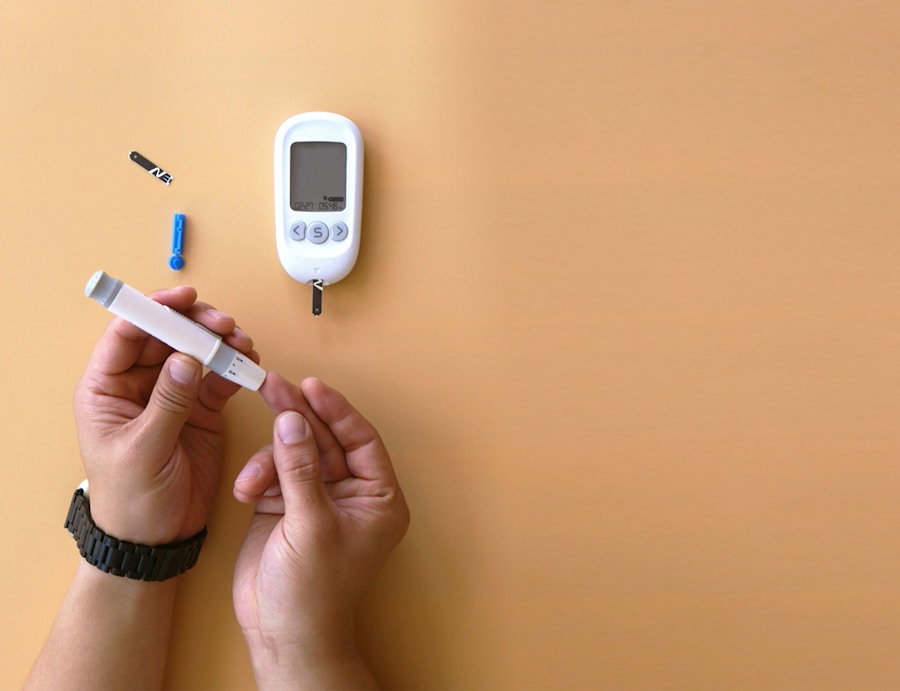
This is non-negotiable, especially if you have diabetes or prediabetes. Use a glucose meter to track your blood sugar levels at different times, including before, during, and after fasting periods. This data will be invaluable for you and your doctor.
Seek Professional Guidance
Always consult with your healthcare provider before starting intermittent fasting, especially if you have any underlying health conditions or are taking medications. They can help you determine if IF is appropriate for you and guide you on how to implement it safely and effectively, adjusting medications as needed. Your doctor is your experienced navigator on this metabolic journey.
FAQs
What is intermittent fasting?
Intermittent fasting is an eating pattern that cycles between periods of fasting and eating. It does not specify which foods to eat, but rather when to eat them.
How does intermittent fasting affect blood sugar levels?
Intermittent fasting can help regulate blood sugar levels by improving insulin sensitivity and reducing insulin resistance. This can lead to better blood sugar control and lower risk of developing type 2 diabetes.
Is intermittent fasting safe for everyone?
Intermittent fasting may not be suitable for everyone, especially those with certain medical conditions, pregnant or breastfeeding women, and individuals with a history of eating disorders. It is important to consult with a healthcare professional before starting an intermittent fasting regimen.
What are the different methods of intermittent fasting?
There are several popular methods of intermittent fasting, including the 16/8 method (fasting for 16 hours and eating within an 8-hour window), the 5:2 method (eating normally for 5 days and restricting calorie intake for 2 days), and the alternate day fasting method (alternating between fasting and eating days).
Are there any potential risks or side effects of intermittent fasting?
Some potential risks and side effects of intermittent fasting may include nutrient deficiencies, dehydration, irritability, and difficulty concentrating. It is important to stay hydrated and consume adequate nutrients during eating periods. Individuals with a history of disordered eating should approach intermittent fasting with caution.