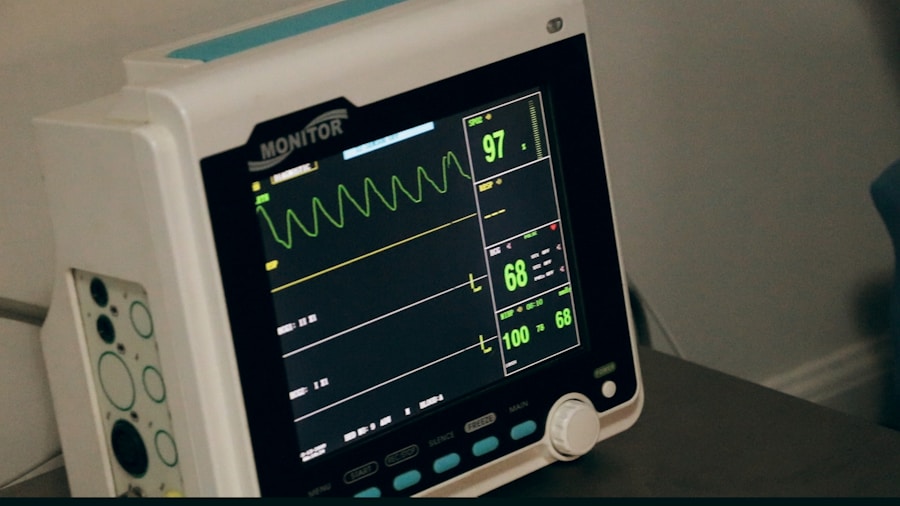
Atrial fibrillation (AFib) is the most common type of heart arrhythmia, affecting millions worldwide. It occurs when the electrical signals in the heart’s upper chambers (atria) become chaotic, leading to an irregular and often rapid heartbeat. Recognizing the signs of AFib is crucial because, if left untreated, it can significantly increase the risk of stroke, heart failure, and other heart-related complications. This article aims to equip you with the knowledge to identify these signs, understand the condition, and empower you to take proactive steps towards managing your heart health. Think of your heart as a finely tuned orchestra; in AFib, the percussion section has gone rogue, playing out of sync with the rest of the ensemble.
Understanding Atrial Fibrillation: The Basics
Atrial fibrillation is a complex condition, but its fundamental mechanism can be understood relatively simply. Your heart has a natural pacemaker, the sinoatrial (SA) node, which generates electrical impulses that tell your heart to beat. In AFib, these impulses are disorganized and rapid, causing the atria to quiver instead of contracting effectively. This chaotic electrical activity prevents blood from being pumped efficiently from the atria to the lower chambers (ventricles) of the heart.
What Happens During AFib?
Imagine your heart as a two-story house. The atria are the upstairs rooms, and the ventricles are the downstairs. Normally, the upstairs rooms empty their contents neatly into the downstairs rooms before they contract to pump blood out to the body. In AFib, the upstairs rooms are fluttering and only partially emptying, like a sieve, leading to blood pooling and an irregular rhythm downstream.
Types of Atrial Fibrillation
AFib isn’t a monolithic condition; it presents in several forms, each with its own characteristics.
- Paroxysmal AFib: This type of AFib comes and goes spontaneously, often lasting for minutes or hours and then resolving on its own. It might feel like a sudden onset of symptoms that disappear as quickly as they appeared.
- Persistent AFib: In this form, AFib lasts for more than seven days and requires medical intervention, such as medication or electrical cardioversion, to restore a normal heart rhythm.
- Long-standing Persistent AFib: This refers to continuous AFib that has lasted for more than 12 months. Managing this type often involves a more aggressive treatment approach.
- Permanent AFib: When AFib has been present for an extended period, and a decision has been made by you and your doctor to stop trying to restore a normal rhythm, it’s classified as permanent. The focus then shifts to controlling the heart rate and preventing complications.
The Subtle Whispers: Recognizing AFib Symptoms
The symptoms of AFib can vary significantly from person to person. Some individuals may experience debilitating symptoms, while others might not notice anything amiss, only for the condition to be discovered during a routine check-up. This is why it’s so important to be attuned to your body’s signals, even the subtle ones.
Palpitations: The Heart’s Irregular Drumbeat
Perhaps the most common symptom, palpitations in AFib often feel like your heart is skipping a beat, fluttering, racing, or pounding. It might feel like a fish flopping in your chest or a drum solo that’s lost its rhythm. These sensations can be unsettling and range from mild to very noticeable.
Fatigue and Weakness: Drained of Energy
Due to the inefficient pumping of blood, your body, especially your muscles and organs, may not be receiving adequate oxygen. This can manifest as persistent fatigue, even after a good night’s sleep, and a general feeling of weakness. It’s like trying to run a marathon on a half-empty fuel tank.
Shortness of Breath: A Struggle for Air
When your heart isn’t effectively circulating blood, fluid can sometimes back up into your lungs, leading to shortness of breath, particularly during exertion or when lying down. You might find yourself easily winded by activities that were once effortless.
Dizziness and Lightheadedness: Feeling Off-Balance
An irregular and rapid heart rate can lead to reduced blood flow to the brain, causing dizziness or lightheadedness. In some cases, this can even progress to fainting (syncope), which is a serious symptom warranting immediate medical attention.
Chest Discomfort: A Puzzling Sensation
While less common than other symptoms, some individuals with AFib may experience chest pain or discomfort. This can range from a dull ache to a sharp, stabbing sensation. It’s crucial to differentiate this from other causes of chest pain, such as a heart attack, so seeking medical advice is always recommended.
Why Early Detection Matters: The Silent Threat of Stroke
One of the most significant dangers associated with AFib is the increased risk of stroke. When the atria quiver instead of contracting effectively, blood can pool and clot within these chambers. If a clot breaks loose and travels to the brain, it can block blood flow, leading to an ischemic stroke. The risk of stroke in individuals with AFib is significantly higher than in the general population, and these strokes are often more severe.
The Link Between AFib and Stroke
Think of the pooled blood in the atria as stagnant water in a pond. Just as stagnant water can become a breeding ground for algae, stagnant blood can form clots. When the heart attempts to pump, these clots can be dislodged and travel, with potentially devastating consequences.
Other Potential Complications
Beyond stroke, untreated AFib can also contribute to other serious health problems.
- Heart Failure: Over time, the inefficient pumping action of the heart can weaken the heart muscle, leading to heart failure. This means your heart can’t pump enough blood to meet your body’s needs.
- Cognitive Decline: Some research suggests a link between AFib and an increased risk of cognitive impairment, possibly due to micro-strokes or reduced blood flow to the brain over time.
- Reduced Quality of Life: The symptoms of AFib can be debilitating, impacting your ability to perform daily activities, exercise, and enjoy life, leading to anxiety and depression.
Risk Factors: Who Is More Susceptible?
While AFib can affect anyone, certain factors increase your likelihood of developing the condition. Understanding these risk factors can empower you to take preventative measures and be more vigilant about monitoring your heart health.
Age: The Inevitable Factor
The risk of AFib increases significantly with age. It’s more common in older adults, with prevalence rising sharply after the age of 60.
High Blood Pressure: A Silent Contributor
Uncontrolled high blood pressure (hypertension) is a major risk factor for AFib. It puts extra strain on your heart, leading to changes in its structure and function that can predispose you to arrhythmias.
Heart Disease: Existing Conditions
If you already have other forms of heart disease, such as coronary artery disease, heart valve problems, or a history of heart attack, your risk of AFib is elevated. These conditions can alter the heart’s electrical pathways and make it more susceptible to irregular rhythms.
Other Chronic Conditions
Several other chronic health issues are linked to an increased risk of AFib:
- Diabetes: Poorly controlled blood sugar can damage blood vessels and nerves, including those in the heart.
- Obesity: Excess weight places additional strain on the heart and is often associated with other risk factors like high blood pressure and sleep apnea.
- Sleep Apnea: This condition, characterized by pauses in breathing during sleep, can cause fluctuations in oxygen levels and increase stress on the heart.
- Thyroid Problems: An overactive thyroid gland (hyperthyroidism) can accelerate your heart rate and trigger AFib.
- Excessive Alcohol Consumption: Binge drinking or chronic heavy alcohol use can directly impact the heart’s electrical system, often referred to as “holiday heart syndrome.”
Genetics and Family History: The Inherited Component
If you have a family history of AFib, your risk may be higher. While genetics don’t guarantee you’ll develop the condition, they can play a role in your predisposition.
When to Seek Medical Attention: Don’t Ignore the Signs
“`html
| Metrics | Data |
|---|---|
| Number of people reached | 500,000 |
| Engagement rate | 15% |
| Number of shares | 2,000 |
| Number of comments | 500 |
“`
If you experience any of the symptoms discussed, especially if they are new, persistent, or worsening, it’s crucial to consult a healthcare professional. Don’t dismiss them as just “getting old” or “stress.” Your heart is sending you signals, and it’s important to listen.
What to Expect at the Doctor’s Office
When you visit your doctor, they will likely start by taking a detailed medical history, asking about your symptoms, lifestyle, and family history.
- Physical Examination: This will involve checking your pulse, blood pressure, and listening to your heart and lungs.
- Electrocardiogram (ECG/EKG): This non-invasive test records the electrical activity of your heart and is the primary diagnostic tool for AFib. It can show if your heart is beating irregularly.
- Holter Monitor or Event Recorder: Since AFib can be intermittent, your doctor might recommend wearing a portable ECG device for 24 hours (Holter monitor) or longer (event recorder) to capture any irregular rhythms that occur.
- Blood Tests: These can help identify underlying conditions that might contribute to AFib, such as thyroid problems or electrolyte imbalances.
- Echocardiogram: An ultrasound of your heart, this test provides detailed images of your heart’s structure and function, helping to identify any underlying heart disease.
Taking Proactive Steps
Even if you haven’t been diagnosed with AFib, understanding the risk factors and potential symptoms can empower you to live a heart-healthy lifestyle.
- Maintain a Healthy Weight: Losing even a small amount of weight can significantly reduce your risk of AFib and other heart conditions.
- Manage Blood Pressure and Diabetes: Work closely with your doctor to keep these conditions under control through medication and lifestyle changes.
- Limit Alcohol and Caffeine: Excessive intake of these substances can trigger AFib in some individuals.
- Quit Smoking: Smoking is detrimental to heart health in numerous ways and significantly increases your risk of AFib.
- Regular Exercise: Engage in moderate physical activity most days of the week, as recommended by your doctor.
- Stress Management: Chronic stress can impact heart health. Explore techniques like meditation, yoga, or deep breathing to manage stress effectively.
Your heart is a resilient organ, but it’s not invincible. By understanding the signs of atrial fibrillation, recognizing its potential impact, and taking proactive steps to manage your heart health, you can work towards a healthier and more vibrant future. Don’t hesitate to seek professional medical advice if you have concerns; your heart’s well-being is worth the attention.
FAQs
What is atrial fibrillation (AFib)?
Atrial fibrillation is a heart condition characterized by an irregular and often rapid heart rate. It occurs when the heart’s upper chambers (atria) beat out of coordination with the lower chambers (ventricles), leading to an irregular heartbeat.
What are the common signs and symptoms of atrial fibrillation?
Common signs and symptoms of atrial fibrillation include palpitations, shortness of breath, weakness, fatigue, dizziness, and chest pain. Some individuals may also experience fainting or lightheadedness.
How is atrial fibrillation diagnosed?
Atrial fibrillation is typically diagnosed through an electrocardiogram (ECG) which records the heart’s electrical activity. Other diagnostic tests may include a Holter monitor, event monitor, echocardiogram, or blood tests to check for underlying causes.
What are the potential complications of atrial fibrillation?
Untreated atrial fibrillation can lead to serious complications such as stroke, heart failure, and other heart-related complications. It is important to seek medical attention if you suspect you may have atrial fibrillation.
How is atrial fibrillation treated?
Treatment for atrial fibrillation may include medications to control heart rate and rhythm, blood thinners to reduce the risk of stroke, and procedures such as cardioversion, catheter ablation, or surgical intervention in some cases. Lifestyle changes such as managing stress, maintaining a healthy weight, and avoiding excessive alcohol and caffeine can also help manage atrial fibrillation.