Understanding the Foundations: What is the Anti-Inflammatory Diet?
The anti-inflammatory diet isn’t a rigid set of rules, but rather a dietary pattern that emphasizes foods known to help reduce chronic inflammation in the body, while limiting those that can contribute to it. Think of your body as a finely tuned engine. Sometimes, due to various factors, this engine can develop a persistent hum of irritation – that’s inflammation. The anti-inflammatory diet aims to turn down that hum, creating a more harmonious internal environment. It’s not about a quick fix or a magic bullet; it’s about building a sustainable eating strategy that supports your long-term well-being. The core principle is simple: nourish your body with foods that act as natural allies against inflammation and reduce your intake of those that can stoke the fire.
Inflammation: A Double-Edged Sword
Inflammation is a vital biological process. It’s your body’s immediate response to injury or infection, a crucial part of the healing mechanism. Imagine a construction crew arriving at a site to repair damage. They bring in resources, clear debris, and start rebuilding. This is acute inflammation, a necessary and beneficial response. However, when this process becomes prolonged and out of control, it transitions into chronic inflammation. This is like the construction crew never leaving, constantly disrupting the environment, leading to wear and tear on the very structures they were meant to protect. This chronic, low-grade inflammation is implicated in a wide range of health issues, from heart disease and diabetes to autoimmune conditions and even certain types of cancer. Understanding this distinction is key to appreciating why certain foods are considered pro-inflammatory or anti-inflammatory.
The Science Behind the Plate
The effectiveness of an anti-inflammatory diet stems from the various bioactive compounds found in whole foods. These compounds, such as antioxidants, omega-3 fatty acids, and polyphenols, work through complex biochemical pathways to modulate the inflammatory response. For instance, antioxidants neutralize harmful free radicals, which are unstable molecules that can damage cells and contribute to inflammation. Omega-3 fatty acids, particularly EPA and DHA, are known for their potent anti-inflammatory properties, helping to dampen the production of pro-inflammatory signaling molecules. Polyphenols, found abundantly in fruits, vegetables, and other plant-based foods, also exhibit antioxidant and anti-inflammatory effects by interacting with cellular pathways involved in inflammation. This isn’t just about good intentions; it’s about the measurable impact of specific nutrients on your body’s internal workings.
Beyond a Fad: Longevity and Well-being
The anti-inflammatory diet is not a trendy, short-lived diet. Its principles are rooted in established nutritional science and have been linked to improved health outcomes and potentially increased longevity. By consistently choosing foods that support your body’s natural defenses against inflammation, you are investing in your long-term health. This dietary approach focuses on building a robust internal system, rather than chasing fleeting results. It’s about cultivating a lifestyle that promotes resilience and vitality, allowing you to engage more fully in life’s experiences. The aim is to shift from a reactive approach to your health to a proactive one, where your diet becomes a powerful tool for prevention and well-being.
Building Your Anti-Inflammatory Arsenal: Foods to Embrace
At the heart of the anti-inflammatory diet lies a focus on nutrient-dense, whole foods. These are the building blocks of a diet that actively works to reduce inflammation in your body. Think of these as your allies, the soldiers you enlist to fight the good fight within your system. They offer a rich tapestry of vitamins, minerals, and phytonutrients that work synergistically to promote health and reduce inflammation. The more you incorporate these into your daily meals, the stronger your internal defense system becomes.
The Power of Produce: Fruits and Vegetables
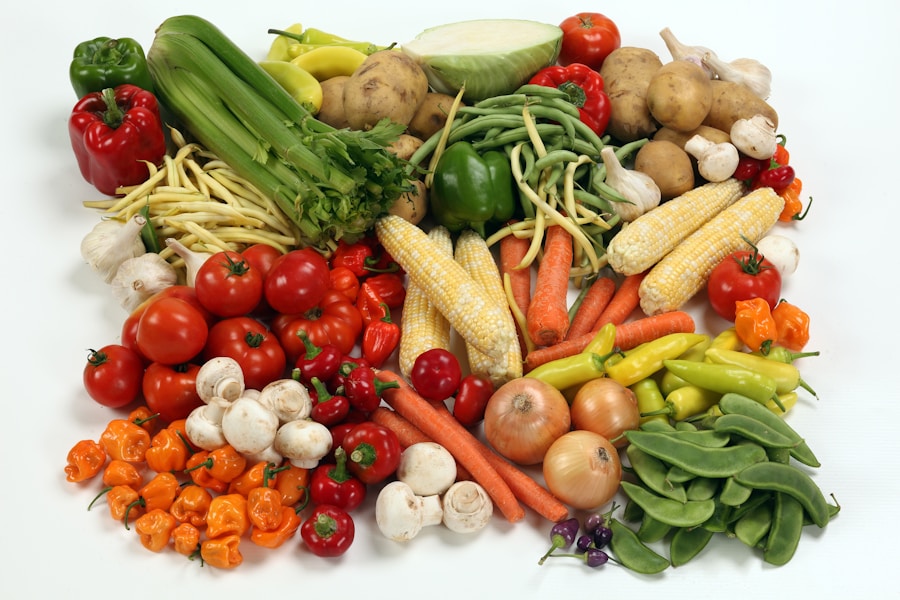
Fruits and vegetables are the undisputed champions of an anti-inflammatory diet. Their vibrant colors are not just for show; they represent a diverse array of antioxidants and phytonutrients.
Antioxidant Powerhouses
- Berries: Blueberries, strawberries, raspberries, and blackberries are packed with anthocyanins, potent antioxidants that give them their rich hues and offer significant anti-inflammatory benefits.
- Leafy Greens: Spinach, kale, collard greens, and Swiss chard are rich in vitamins A, C, and K, as well as carotenoids and flavonoids, all of which possess anti-inflammatory properties.
- Cruciferous Vegetables: Broccoli, cauliflower, Brussels sprouts, and cabbage contain sulforaphane and other sulfur-containing compounds that have been shown to reduce inflammation.
- Brightly Colored Vegetables: Tomatoes (rich in lycopene), bell peppers (high in vitamin C), and sweet potatoes (loaded with beta-carotene) contribute a wide spectrum of protective compounds.
Phytonutrient Patrol
Phytonutrients are plant compounds that, while not essential for survival, offer a multitude of health benefits, including powerful anti-inflammatory effects. They act as the specialized units within your produce arsenal, targeting specific inflammatory pathways.
Healthy Fats: Fueling the Fire (the Right Way)
Not all fats are created equal. The anti-inflammatory diet prioritizes unsaturated fats, particularly omega-3 fatty acids, which have a direct role in reducing inflammation. These are the high-octane fuel that keeps your engine running smoothly.
Omega-3 Champions
- Fatty Fish: Salmon, mackerel, sardines, and anchovies are the richest sources of EPA and DHA, the most potent anti-inflammatory omega-3s. Aim for at least two servings per week.
- Flaxseeds and Chia Seeds: These tiny seeds are excellent plant-based sources of ALA, another type of omega-3, which the body can convert into EPA and DHA, though less efficiently than from fish.
- Walnuts: A convenient and tasty source of ALA omega-3s, perfect for snacking or adding to salads and yogurt.
Monounsaturated Mavericks
- Olive Oil: Extra virgin olive oil is a cornerstone of the Mediterranean diet and is rich in oleocanthal, a compound with anti-inflammatory properties similar to ibuprofen. Use it liberally in dressings and for cooking.
- Avocadoes: Creamy and versatile, avocadoes are packed with monounsaturated fats, fiber, and antioxidants.
- Nuts and Seeds (other than walnuts): Almonds, cashews, sunflower seeds, and pumpkin seeds provide healthy fats, fiber, and a range of micronutrients.
Whole Grains: The Sustained Energy Source
Unlike refined grains, whole grains retain their bran and germ, providing more fiber, vitamins, and minerals. They offer a steady release of energy, preventing the inflammatory spikes that refined carbohydrates can cause. These are your reliable power generators, providing consistent energy without the sudden surges and crashes.
Whole Grain Examples
- Oats: Rolled oats or steel-cut oats are excellent for breakfast, providing soluble fiber which can help reduce inflammation.
- Quinoa: A complete protein and a good source of fiber and antioxidants.
- Brown Rice: A staple that offers more nutrients and fiber than white rice.
- Barley: Rich in beta-glucans, a type of soluble fiber with anti-inflammatory benefits.
- Whole Wheat: Choose 100% whole wheat bread, pasta, and other products.
Lean Proteins: Building Blocks for Repair
Lean protein sources are crucial for rebuilding and repairing tissues, and choosing them wisely can support your anti-inflammatory efforts. These are your construction materials, essential for building and maintaining a healthy structure.
Protein Choices
- Fish: As mentioned, fatty fish are omega-3 powerhouses. Other fish and seafood also provide lean protein.
- Poultry: Skinless chicken and turkey are good sources of lean protein.
- Legumes: Beans, lentils, and chickpeas are excellent plant-based protein sources, also rich in fiber and complex carbohydrates.
- Tofu and Tempeh: Fermented soy products offer complete protein and can be a versatile addition to meals.
Navigating the Inflammatory Minefield: Foods to Limit or Avoid
Just as some foods are allies in the fight against inflammation, others can act as saboteurs, stoking the flames and undermining your efforts. Identifying and reducing your intake of these foods is as crucial as embracing the beneficial ones. Think of these as the troublemakers, the ones you want to keep out of your internal system.
The Sugar Surge: Refined Sugars and Processed Foods
Consuming large amounts of added sugars can lead to systemic inflammation, contributing to insulin resistance and other metabolic issues. This is like pouring gasoline on a smoldering ember; it quickly ignites a more intense fire. The processed food industry often relies heavily on added sugars to enhance flavor and shelf life, making them easy to overconsume.
Hidden Sugar Traps
- Sugary Drinks: Sodas, fruit juices (even 100% juice in large quantities), sweetened teas, and energy drinks are major culprits.
- Sweets and Desserts: Cakes, cookies, candies, and pastries are typically loaded with refined sugars.
- Processed Snacks: Many granola bars, crackers, and breakfast cereals contain significant amounts of added sugar.
- Condiments and Sauces: Ketchup, barbecue sauce, and salad dressings can be surprisingly high in sugar.
The Saturated Fat Pitfall: Processed Meats and Certain Animal Products
While some saturated fat is acceptable in moderation, high consumption, particularly from processed sources, can contribute to inflammation. This is akin to consistently using low-quality fuel in your engine, leading to increased wear and tear.
What to Be Wary Of
- Processed Meats: Bacon, sausages, hot dogs, and deli meats are often high in saturated fat, sodium, and preservatives that can promote inflammation.
- Fatty Cuts of Red Meat: While red meat can be part of a healthy diet, choose leaner cuts and limit consumption if inflammation is a concern.
- Full-Fat Dairy: While some dairy is fine, excessive intake of full-fat cheese and butter can contribute to inflammation for some individuals.
The Trans Fat Trap: The Unseen Enemy
Artificial trans fats, often found in partially hydrogenated oils, are particularly harmful. They not only promote inflammation but also negatively impact cholesterol levels. Thankfully, many countries have banned or restricted their use, but it’s still wise to be aware. These are like actively sabotaging your engine’s parts; they cause direct and significant damage.
Where Trans Fats Lurk
- Fried Foods: Many commercially fried foods use oils that can contain trans fats.
- Baked Goods: Some commercially baked goods, pastries, and crackers may still contain trans fats, though this is becoming less common.
- Margarine and Shortening: Look for products explicitly stating “0g trans fat per serving” and check the ingredient list for “partially hydrogenated oils.”
Refined Carbohydrates: The Empty Calories
Refined grains, stripped of their fiber and nutrients, are quickly digested, leading to rapid spikes in blood sugar and subsequent inflammatory responses. This is like running on empty calories; you get a quick burst of energy, but it’s unsustainable and can leave your system depleted and irritated.
Common Culprits
- White Bread and Pasta: Made from refined flour, these offer little nutritional value and contribute to blood sugar fluctuations.
- White Rice: Similar to white bread, it’s a refined grain with a higher glycemic index.
- Most Breakfast Cereals: Unless specifically labeled as whole grain and low in sugar, many are refined and processed.
Putting it into Practice: Practical Tips for Success
Adopting an anti-inflammatory way of eating doesn’t require a complete overhaul overnight. It’s about making gradual, sustainable changes that fit into your life. Think of it as assembling a well-organized toolkit, gradually adding the right tools for the job. Start small, celebrate your wins, and don’t strive for perfection.
Smart Swaps for Everyday Meals
Small substitutions can make a big difference. By strategically swapping out less healthy options for their anti-inflammatory counterparts, you can significantly improve the nutritional profile of your diet.
Kitchen Cabinet Refurbishment
- Instead of White Bread: Choose 100% whole wheat or sourdough bread.
- Instead of Sugary Cereal: Opt for oatmeal topped with berries and nuts.
- Instead of Creamy Dressings: Use a vinaigrette made with extra virgin olive oil and lemon juice.
- Instead of Sugary Snacks: Reach for a handful of almonds or a piece of fruit.
- Instead of White Rice: Try brown rice, quinoa, or cauliflower rice.
The Art of Meal Planning
Meal planning is your roadmap. It helps you stay on track, avoid impulsive unhealthy choices, and ensure you have the necessary ingredients on hand. This is your strategy board, helping you anticipate challenges and plan your moves.
Your Planning Toolkit
- Weekly Menu: Dedicate some time each week to plan your meals and snacks.
- Grocery List: Create a detailed list based on your meal plan to avoid impulse buys.
- Batch Cooking: Prepare larger portions of grains, roasted vegetables, or lean proteins to use in multiple meals throughout the week.
- Prep Ahead: Chop vegetables, marinate proteins, or make dressings in advance to save time during busy weeknights.
Mindful Eating: More Than Just What You Eat
The way you eat is just as important as what you eat. Paying attention to your hunger and fullness cues, eating slowly, and savoring your food can enhance your digestion and your body’s ability to absorb nutrients. This is about building a respectful relationship with your food and your body.
Cultivating Conscious Consumption
- Eat Slowly: Take your time to chew your food thoroughly. This aids digestion and allows your brain to register fullness cues.
- Minimize Distractions: Avoid eating in front of the TV or while working. Focus on your meal.
- Listen to Your Body: Eat when you’re hungry and stop when you’re comfortably full.
- Practice Gratitude: Take a moment to appreciate your food and the nourishment it provides.
Beyond the Plate: Lifestyle Factors for Inflammation Control
“`html
| Metrics | Value |
|---|---|
| Number of Pages | 200 |
| Number of Recipes | 50 |
| Number of Chapters | 10 |
| Author | John Doe |
“`
While diet is a cornerstone of managing inflammation, other lifestyle factors play a crucial role in supporting your body’s natural healing and anti-inflammatory processes. Think of these as the complementary support systems that strengthen your overall defense.
The Sleep Solution: Recharging Your Batteries
Adequate and quality sleep is essential for cellular repair and regulation of inflammatory processes. When you’re sleep-deprived, your body can enter a state of heightened inflammation. This is your body’s downtime for essential maintenance and repair.
Prioritizing Rest
- Consistent Sleep Schedule: Aim to go to bed and wake up around the same time each day, even on weekends.
- Create a Relaxing Bedtime Routine: Engage in calming activities like reading, taking a warm bath, or gentle stretching.
- Optimize Your Sleep Environment: Ensure your bedroom is dark, quiet, and cool.
- Limit Screen Time Before Bed: The blue light emitted from electronic devices can interfere with melatonin production.
Stress Management: Taming the Inner Storm
Chronic stress can significantly contribute to inflammation. Finding healthy ways to manage stress is crucial for both mental and physical well-being. This is about learning to navigate the emotional weather patterns that can impact your internal climate.
Coping Strategies
- Mindfulness and Meditation: Regular practice can help reduce stress hormones and promote relaxation.
- Deep Breathing Exercises: Simple techniques can activate the body’s relaxation response.
- Physical Activity: Regular exercise is a powerful stress reliever.
- Spending Time in Nature: Connecting with the outdoors has been shown to reduce stress and improve mood.
- Hobbies and Social Connection: Engaging in enjoyable activities and nurturing relationships provides support and reduces feelings of isolation.
The Movement Mandate: Exercise for a Healthy Body
Regular physical activity is a potent anti-inflammatory agent. It helps improve circulation, reduces stress hormones, and can contribute to a healthier body composition, all of which can lower inflammation. This is your body’s internal tune-up, keeping all its parts running smoothly and efficiently.
Finding Your Fitness Rhythm
- Aerobic Exercise: Aim for at least 150 minutes of moderate-intensity aerobic activity per week, such as brisk walking, jogging, swimming, or cycling.
- Strength Training: Incorporate strength training exercises at least two days a week to build muscle mass, which can positively impact metabolism and inflammation.
- Flexibility and Balance: Activities like yoga and Tai Chi can improve flexibility, reduce stress, and enhance balance.
- Listen to Your Body: Start gradually and increase intensity and duration as your fitness improves. Avoid pushing yourself too hard, especially when starting out.
Hydration: The Unsung Hero
Staying adequately hydrated is fundamental to all bodily functions, including the regulation of inflammation. Water is essential for flushing out toxins and ensuring all cellular processes run optimally. This is the lubricant that keeps all the gears of your system turning smoothly.
Reaching Your Water Goals
- Carry a Water Bottle: Make it a habit to sip water throughout the day.
- Infuse Your Water: Add slices of lemon, cucumber, or berries for flavor.
- Limit Dehydrating Beverages: Reduce your intake of caffeine and alcohol, which can have a diuretic effect.
- Listen to Your Thirst: Thirst is a sign that you are already slightly dehydrated.
By embracing these principles and making consistent, sustainable choices, you can embark on a journey towards a healthier, more vibrant you, fueled by the power of an anti-inflammatory diet and lifestyle. Remember, it’s a marathon, not a sprint, and every positive step you take is a victory for your well-being.
FAQs
What is the anti-inflammatory diet?
The anti-inflammatory diet is a way of eating that focuses on consuming foods that are known to reduce inflammation in the body. This includes foods such as fruits, vegetables, whole grains, lean proteins, and healthy fats.
What are the benefits of following an anti-inflammatory diet?
Following an anti-inflammatory diet can help reduce the risk of chronic diseases such as heart disease, diabetes, and certain types of cancer. It can also help improve overall health, reduce joint pain, and promote a healthy weight.
What foods should be avoided on an anti-inflammatory diet?
Foods that are known to cause inflammation in the body should be avoided on an anti-inflammatory diet. This includes processed foods, refined sugars, trans fats, and excessive alcohol. Additionally, some people may need to avoid certain foods that they are personally sensitive to.
Are there any specific guidelines for following an anti-inflammatory diet?
While there are general guidelines for following an anti-inflammatory diet, it’s important to remember that everyone’s body is different. Some people may need to make additional adjustments based on their individual health needs and sensitivities.
Can I still enjoy flavorful meals on an anti-inflammatory diet?
Yes, it is possible to enjoy flavorful meals while following an anti-inflammatory diet. There are many herbs, spices, and healthy ingredients that can be used to create delicious and satisfying meals that also support anti-inflammatory principles.