Ultra-processed foods (UPFs) are industrial formulations, often characterized by the presence of ingredients not commonly used in culinary preparations, such as hydrogenated oils, modified starches, and high-fructose corn syrup, and by additives whose purpose is to imitate sensorial qualities of unprocessed foods or to disguise undesirable qualities of the final product. Their consumption is associated with a range of adverse health outcomes, including increased risk of obesity, cardiovascular disease, type 2 diabetes, certain cancers, and mental health disorders. This article will delve into the scientific mechanisms through which UPFs exert these detrimental effects, examining their nutritional profiles, the impact of their processing methods, and their influence on human physiology and behavior.
The Defining Characteristics of Ultra-Processed Foods
To understand the health implications, it’s crucial to first define what constitutes an ultra-processed food. The NOVA classification system, developed by researchers at the University of São Paulo, provides a widely accepted framework.
NOVA Classification System: A Hierarchical Approach
The NOVA system categorizes foods into four groups based on the nature, extent, and purpose of industrial processing.
Group 1: Unprocessed or Minimally Processed Foods
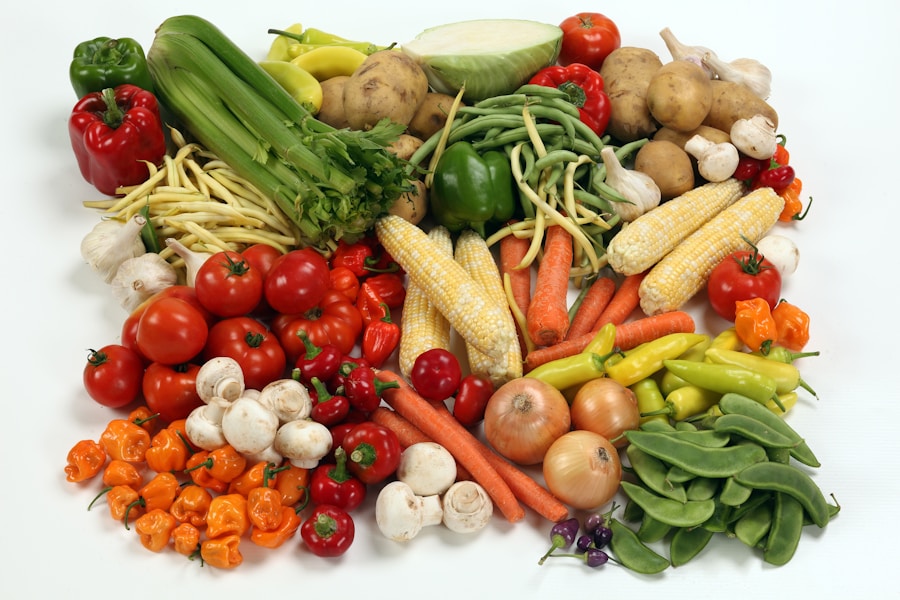
These are natural foods altered little or not at all, such as fresh fruits, vegetables, eggs, milk, meat, and fish. Minimal processing might include drying, crushing, roasting, boiling, or pasteurizing. The goal is preservation or making them suitable for storage or consumption without adding substances.
Group 2: Processed Culinary Ingredients
This group includes substances extracted from Group 1 foods that are used to prepare and season culinary dishes, such as oils, butter, sugar, salt, and spices. They are not meant to be consumed by themselves.
Group 3: Processed Foods
These are relatively simple products made by adding salt, sugar, oil, or other Group 2 ingredients to Group 1 foods. Examples include canned vegetables, cheeses, freshly baked breads, and cured meats. The processing aims to increase shelf life or palatability.
Group 4: Ultra-Processed Foods (UPFs)
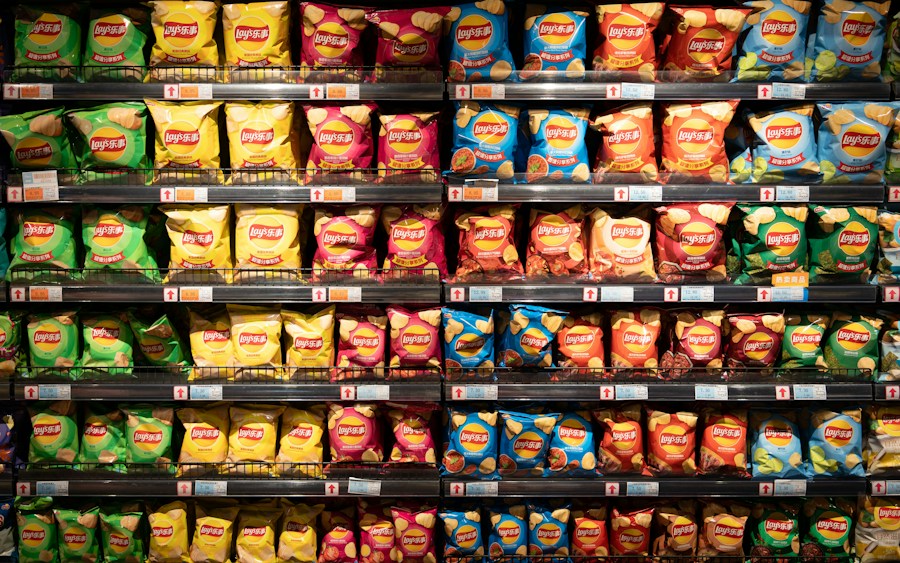
This is the focus of our discussion. UPFs are industrial formulations typically containing five or more ingredients, often including substances not used in home cooking. They are manufactured to be hyper-palatable, convenient, and have a long shelf life. Examples abound: sodas, sugary cereals, packaged snacks, instant noodles, frozen ready meals, and processed meats. Think of them as food-like substances designed for maximal appeal and minimal effort.
The Industrial Design of UPFs: Beyond Simple Ingredients
UPFs are not just about the ingredients; the way they are manufactured plays a significant role.
Complex Formulations and Additives
UPFs are often engineered with a precise blend of fats, sugars, and salt, creating what is known as a “bliss point”—a combination that optimizes palatability and encourages overconsumption. Emulsifiers, thickeners, artificial flavors, and colors are routinely added to enhance sensory appeal, stability, and extend shelf life. These additives, while generally recognized as safe in small quantities, can have cumulative effects and interact with our gut microbiome.
Physical Modifications
Extrusion, molding, and hydrogenation are common processes in UPF manufacturing. These methods alter the physical structure of food, making it softer, easier to chew, and quicker to digest. This rapid digestion can lead to faster glucose absorption and subsequent insulin spikes, a key factor in metabolic dysfunction.
Nutritional Deficiencies and Imbalances
One of the primary concerns with UPFs is their imbalanced nutritional profile, often a stark contrast to minimally processed foods.
High in Unhealthy Fats, Sugars, and Sodium
This triumvirate of ingredients is a hallmark of UPFs.
Excessive Sugar Content
UPFs are a leading source of added sugars in Western diets. High sugar intake is linked to increased risk of obesity, type 2 diabetes, non-alcoholic fatty liver disease, and cardiovascular disease. Beyond calories, sugar can promote inflammation and contribute to insulin resistance. Think of it like pouring gasoline on a slow-burning fire; it accelerates the processes that damage our metabolic health.
Unhealthy Fat Profiles
Many UPFs contain high levels of saturated and trans fats, often from hydrogenated oils. These fats can raise LDL (“bad”) cholesterol levels, increasing the risk of atherosclerosis and heart disease. They also tend to be low in beneficial unsaturated fats, which are abundant in whole foods.
Elevated Sodium Levels
Excessive sodium intake is a well-established risk factor for high blood pressure (hypertension), which in turn increases the risk of heart attack and stroke. UPFs frequently use sodium as a flavor enhancer and preservative, often far exceeding recommended daily limits in a single serving.
Low in Essential Nutrients and Fiber
While high in undesirable components, UPFs are concurrently low in vital elements our bodies need.
Scarcity of Dietary Fiber
Fiber is crucial for digestive health, blood sugar regulation, and satiety. UPFs are typically stripped of their natural fiber during processing, contributing to constipation, dysbiosis (imbalance in gut bacteria), and a lack of fullness that can lead to overeating. Imagine a healthy gut as a bustling city, and fiber as its essential infrastructure; without it, traffic jams and decay become inevitable.
Deficient in Vitamins, Minerals, and Phytonutrients
The extensive processing methods used in UPF production often degrade or remove naturally occurring vitamins, minerals, and beneficial plant compounds (phytonutrients). While some UPFs are fortified, these added nutrients may not be as bioavailable or effective as those found in whole foods, nor do they replace the complex synergy of nutrients found in nature.
Impact on Human Physiology and Metabolism
The unique composition and structure of UPFs trigger a cascade of physiological responses that contribute to adverse health outcomes.
Altered Satiety and Appetite Regulation
UPFs are engineered to be hyper-palatable and rapidly consumed, interfering with our natural hunger and fullness signals.
Rapid Digestion and Absorption
The lack of fiber and altered physical structure of UPFs means they are digested and absorbed very quickly. This leads to a rapid spike in blood glucose and insulin, followed by a sharp drop, which can trigger feelings of hunger shortly after eating, even if adequate calories have been consumed. It’s like a rollercoaster for your blood sugar, leaving you craving more.
Hormonal Dysregulation
UPF consumption has been linked to disruptions in appetite-regulating hormones. Studies suggest they can suppress the release of peptide YY (PYY) and glucagon-like peptide-1 (GLP-1), hormones that signal satiety, while potentially increasing levels of ghrelin, the “hunger hormone.” This hormonal imbalance encourages overconsumption.
Inflammation and Oxidative Stress
The ingredients and processing of UPFs can promote chronic low-grade inflammation throughout the body.
Advanced Glycation End Products (AGEs)
High-temperature processing, often used in UPF manufacturing, can create Advanced Glycation End Products (AGEs). These compounds are pro-inflammatory and contribute to oxidative stress, implicated in various chronic diseases, including cardiovascular disease and neurodegenerative disorders.
Gut Microbiome Dysbiosis
The low fiber content and presence of certain additives (like emulsifiers) in UPFs can negatively impact the diversity and composition of our gut microbiome. A healthy gut microbiome is crucial for immune function, nutrient absorption, and even mental health. Dysbiosis, an imbalance in gut bacteria, is linked to chronic inflammation, metabolic disorders, and an increased risk of certain diseases.
Behavioral and Psychological Effects
Beyond the physiological, UPFs exert a powerful influence on our eating behaviors and psychological well-being.
Addictive Potential and Reward Pathways
The hyper-palatability of UPFs can activate reward pathways in the brain, similar to addictive substances.
Dopamine Release
The combination of sugar, fat, and salt in UPFs triggers a significant release of dopamine, a neurotransmitter associated with pleasure and reward. This reinforces the desire to consume more, creating a cycle that can be difficult to break. It’s like a positive feedback loop that encourages continuous consumption.
Conditioned Cravings
Repeated exposure to UPFs can lead to conditioned cravings. Seeing, smelling, or even thinking about these foods can trigger a desire to eat them, independent of actual hunger.
Cognitive Impact and Mental Health
Emerging research suggests a link between UPF consumption and cognitive function and mental health.
Brain Fog and Mood Disorders
High intake of UPFs, with their inflammatory and metabolic effects, has been associated with poorer cognitive performance, including issues with memory and attention, often described as “brain fog.” Furthermore, studies indicate a correlation between UPF consumption and an increased risk of depression and anxiety. The gut-brain axis plays a crucial role here, as gut dysbiosis can influence neurotransmitter production and brain function.
Sleep Disturbances
The high sugar content and lack of complex carbohydrates and fiber in UPFs can lead to blood sugar fluctuations that interfere with sleep patterns. Poor sleep, in turn, exacerbates cravings for unhealthy foods, creating a vicious cycle.
Long-Term Health Consequences
| Health Effects of Ultra-Processed Foods | Metrics |
|---|---|
| Obesity | Increased risk of obesity due to high calorie content and low nutritional value |
| Heart Disease | Linked to higher risk of heart disease due to high levels of added sugars, trans fats, and sodium |
| Cancer | Possible association with increased risk of cancer due to additives and preservatives |
| Diabetes | Increased risk of type 2 diabetes due to high levels of refined carbohydrates and added sugars |
| Overall Health | Ultra-processed foods are generally low in nutrients and can contribute to poor overall health |
The cumulative effects of UPF consumption over time contribute to a significantly elevated risk of numerous chronic diseases.
Increased Risk of Non-Communicable Diseases (NCDs)
This is perhaps the most well-documented consequence of a diet rich in UPFs.
Obesity
The high caloric density, hyper-palatability, and impaired satiety mechanisms associated with UPFs are major drivers of the global obesity epidemic. Individuals tend to consume more calories when UPFs constitute a significant portion of their diet.
Type 2 Diabetes
The chronic burden of high sugar intake, insulin spikes, and systemic inflammation from UPFs are key factors in the development of insulin resistance and ultimately, type 2 diabetes.
Cardiovascular Disease
Through their contributions to obesity, hypertension, dyslipidemia (unhealthy cholesterol levels), and chronic inflammation, UPFs significantly increase the risk of heart attacks, strokes, and other cardiovascular events.
Certain Cancers
Growing evidence links high UPF consumption to an increased risk of several cancer types, including colorectal, breast, and prostate cancers. The mechanisms are complex and likely involve inflammation, oxidative stress, altered gut microbiome, and obesity-related hormonal changes.
All-Cause Mortality
Several large-scale epidemiological studies have demonstrated a positive association between high UPF consumption and an increased risk of all-cause mortality, meaning a higher likelihood of dying from any cause. This underscores the profound and widespread impact these foods have on overall health and longevity.
In conclusion, the scientific consensus is clear: ultra-processed foods are not benign. Their industrial design, unbalanced nutritional profiles, and pervasive physiological and psychological effects collectively pave a path towards chronic disease and diminished well-being. Understanding these mechanisms is the first step towards making informed dietary choices that prioritize health and longevity. Recognizing UPFs as the complex “food-like substances” they are, rather than simple foods, is essential for navigating our modern food environment.
FAQs
What are ultra-processed foods?
Ultra-processed foods are products that have undergone multiple processing steps and contain additives such as sweeteners, preservatives, and artificial flavors. These foods are often high in calories, sugar, and unhealthy fats, and low in essential nutrients.
What are the health effects of consuming ultra-processed foods?
Consuming ultra-processed foods has been linked to an increased risk of obesity, type 2 diabetes, heart disease, and certain types of cancer. These foods are also associated with poor overall diet quality and can contribute to nutrient deficiencies.
How do ultra-processed foods affect our metabolism?
Ultra-processed foods can negatively impact metabolism by leading to weight gain, insulin resistance, and increased inflammation in the body. These foods can also disrupt the body’s natural hunger and satiety signals, leading to overeating and weight gain.
What are some examples of ultra-processed foods?
Examples of ultra-processed foods include sugary drinks, packaged snacks, fast food, frozen meals, and many types of pre-packaged baked goods. These foods are often convenient and have a long shelf life, but they are typically low in nutritional value.
How can we reduce our consumption of ultra-processed foods?
To reduce consumption of ultra-processed foods, it is important to focus on whole, minimally processed foods such as fruits, vegetables, whole grains, lean proteins, and healthy fats. Reading food labels, cooking at home, and being mindful of portion sizes can also help limit intake of ultra-processed foods.