Hello there! Let’s talk about something fundamental to your well-being: hydration. Simply put, staying hydrated means maintaining an adequate level of water in your body for optimal physiological function. It’s not just about quenching thirst; it’s about supporting every cellular process, from nutrient transport to waste elimination. Think of your body as a complex biological machine, and water as its essential lubricant and coolant. Without enough, the gears grind, and the system overheats.
The Foundation: What is Hydration?
At its core, hydration is the process of providing and maintaining sufficient water in the body to allow all biological systems to function correctly. Water constitutes a significant portion of our body weight, typically ranging from 50-70%, with higher percentages in infants and lower in older adults. This isn’t just “free” water; it’s intricately distributed within and around your cells, organs, and tissues.
The Physiological Imperative: Why Water is Non-Negotiable
Your body doesn’t just “like” water; it needs it. Water is not merely a solvent; it’s a reactant, a temperature regulator, a lubricant, and a transporter. Understanding these roles clarifies why hydration is so critical.
The Role of Water in Bodily Functions
Think of your body as a bustling city, and water as the extensive network of roads and pipelines.
Nutrient Transport and Absorption
Water acts as the primary medium for transporting nutrients, such as vitamins, minerals, and glucose, to your cells. It also plays a vital role in absorbing these nutrients from your digestive tract into your bloodstream. Without sufficient water, this delivery system becomes sluggish, impacting cellular energy production and repair.
Waste Elimination and Detoxification
Just as water brings in the good, it also flushes out the bad. Your kidneys, essentially sophisticated filtration plants, rely heavily on water to process waste products like urea and toxins, excreting them through urine. Adequate hydration prevents the accumulation of these harmful substances, which can otherwise strain your organs.
Temperature Regulation
Your body is a finely tuned thermostat, and water is the coolant. Through perspiration, water evaporates from your skin, carrying away excess heat and preventing overheating, especially during physical activity or in warm environments. Dehydration compromises this critical thermoregulatory mechanism, leading to heat stress.
Lubrication and Cushioning
Water forms the basis of synovial fluid, which lubricates your joints, reducing friction and allowing smooth movement. It also cushions your organs, spinal cord, and brain, protecting them from impact. Imagine the difference between well-oiled machinery and one that’s dry and squeaking.
Cellular Structure and Function
Every cell in your body depends on water for its structural integrity and metabolic processes. Water is involved in chemical reactions, maintains cell volume, and influences membrane permeability. Dehydration can lead to cellular shrinkage and impaired function, impacting everything from nerve impulses to muscle contractions.
The Dehydration Dilemma: Recognizing the Signs
Dehydration isn’t always a dramatic event. It often creeps up subtly, presenting a range of symptoms from mild to severe. Being attuned to these signals is crucial for proactive hydration.
Common Indicators of Dehydration
Consider these as your body’s alarm bells, ringing softly at first, then more insistently.
Thirst: A Late Indicator
While thirst is the most obvious sign, it’s often a signal that your body is already mildly dehydrated. Don’t wait until you’re parched; proactive sips are more effective than reactive gulps.
Urine Color: Your Hydration Gauge
A simple and effective indicator is your urine color. Pale yellow, resembling lemonade, indicates good hydration. Darker yellow or amber suggests dehydration. Clear urine, while seemingly good, can sometimes indicate overhydration, though this is less common and primarily a concern for endurance athletes.
Fatigue and Dizziness
When dehydrated, your blood volume decreases, leading to a drop in blood pressure. This can manifest as fatigue, lethargy, and even dizziness, especially when standing up quickly. Your brain, deprived of optimal blood flow, also struggles to function efficiently.
Dry Mouth and Skin
Reduced saliva production and dry, inelastic skin are classic signs. You might also notice chapped lips. Pinching the skin on the back of your hand; if it takes a while to return to normal, it suggests poor skin turgor, a sign of dehydration.
Headaches and Muscle Cramps
Dehydration can trigger headaches, often described as a dull ache. It can also disrupt electrolyte balance, leading to muscle cramps, particularly during or after exercise.
Hydration Habits: How Much and What to Drink?
The “8 glasses a day” rule is a popular guideline, but it’s a simplification. Your individual needs vary significantly based on activity level, climate, diet, and health status.
Personalized Hydration: Beyond the 8×8 Rule
Think of your hydration strategy as a flexible plan, not a rigid decree.
Factors Influencing Water Needs
Your personal water requirement is a dynamic target.
Activity Level
If you’re exercising vigorously, working in a physically demanding job, or spending time in a hot environment, your sweat rate increases, and so does your need for water. Electrolyte replacement might also become important here.
Climate
Hot and humid climates necessitate increased fluid intake due to higher sweat rates. Conversely, even in cold weather, your body still loses water through respiration, so don’t overlook hydration.
Diet
A diet rich in fruits and vegetables, which have high water content, contributes to your overall fluid intake. Conversely, a diet heavy in processed foods and sodium can increase your body’s water demand.
Health Status
Certain medical conditions, such as fever, vomiting, diarrhea, or kidney disease, can significantly impact your fluid balance and require specific hydration strategies advised by a healthcare professional. Pregnancy and breastfeeding also increase fluid requirements.
Optimal Fluid Choices
While plain water is the gold standard, other beverages and foods contribute to hydration.
Plain Water: The Unsung Hero
It’s calorie-free, readily available, and perfectly designed to hydrate your body without additional sugars or artificial ingredients. Make it your primary beverage.
Electrolyte-Rich Beverages (When Necessary)
For intense, prolonged exercise (over 60 minutes) or significant fluid loss due to illness, sports drinks with electrolytes can be beneficial. For daily hydration, however, they often contain unnecessary sugars and artificial additives. Coconut water is a natural option for some electrolyte replenishment.
Hydrating Foods
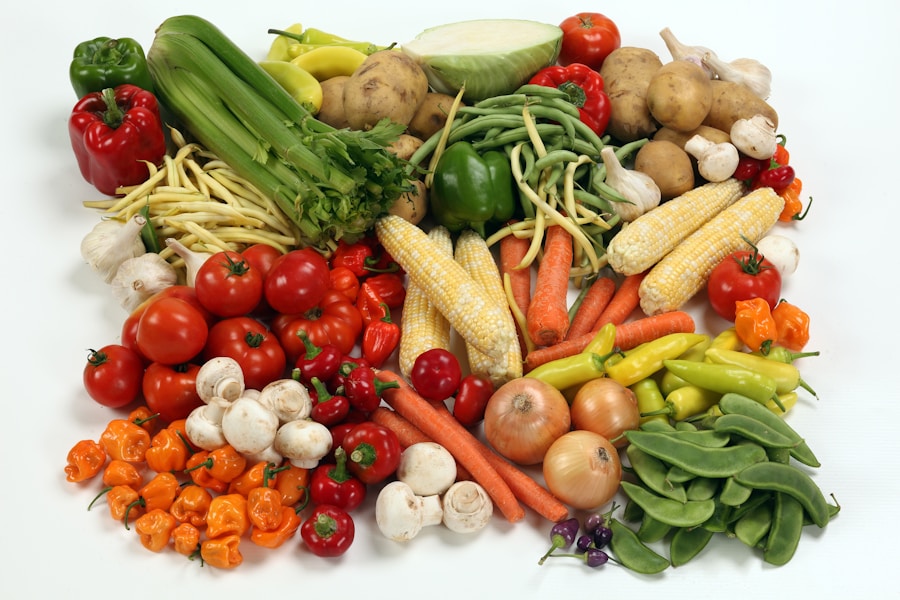
Don’t forget that roughly 20% of your daily water intake comes from food. Fruits and vegetables like watermelon, cucumber, lettuce, and oranges are excellent sources of water and essential nutrients.
Caffeinated Beverages and Alcohol: A Nuanced View
While not ideal for primary hydration, moderate consumption of coffee or tea does contribute to your daily fluid intake. They are mild diuretics, meaning they can increase urine output, but this effect is generally outweighed by the fluid provided. Alcohol, on the other hand, is a potent diuretic and actively contributes to dehydration, so it’s important to counterbalance it with water.
Debunking Hydration Myths: Separating Fact from Fiction
The world of hydration is rife with misinformation. Let’s clear up some common misconceptions.
Common Misconceptions About Water Intake
These myths can lead to confusion and suboptimal hydration practices.
The “Always 8 Glasses” Myth
As discussed, this is a generalization. Your needs are individual. Focusing on urine color and thirst cues is more effective than rigidly adhering to an arbitrary number.
“You Must Drink Expensive Bottled Water”
Tap water, in most developed countries, is perfectly safe and often superior to bottled water in terms of environmental impact and cost. Filtration systems can further enhance its quality if desired. Don’t fall for marketing hype; hydration doesn’t need to be expensive.
“Juice is Just as Good as Water”
While fruit juice contains water, it also often contains high amounts of sugar and lacks the fiber of whole fruit. It’s best consumed in moderation as part of a balanced diet, not as a primary hydrating beverage. Its caloric density can also contribute to unwanted weight gain.
“You Can Drink Too Much Water” (And When It’s Actually a Concern)
While rare, overhydration, or hyponatremia, is possible. This occurs when you drink so much water that it dilutes the sodium levels in your blood to dangerously low levels. It’s primarily a concern for endurance athletes who overdo plain water intake without adequate electrolyte replacement, or individuals with certain medical conditions. For the average person, consuming sensible amounts of water throughout the day is unlikely to cause this issue. Your kidneys are remarkably efficient at processing excess water, within limits.
Practical Strategies for Consistent Hydration
| Myth | Debunked |
|---|---|
| You only need to drink water when you’re thirsty | Debunked: Thirst is not a reliable indicator of hydration, so it’s important to drink water regularly throughout the day. |
| Caffeinated drinks dehydrate you | Debunked: While caffeine is a mild diuretic, the amount of water in caffeinated drinks still contributes to your overall hydration. |
| You need 8 glasses of water a day | Debunked: The amount of water needed varies for each person and can depend on factors like activity level and climate. |
| Clear urine means you’re well-hydrated | Debunked: Clear urine can actually be a sign of over-hydration, while pale yellow urine is a better indicator of proper hydration. |
Integrating good hydration habits into your daily routine doesn’t have to be a chore. Think of it as a small investment in your overall health.
Simple Tips for Staying Well-Hydrated
These are actionable steps you can start taking today.
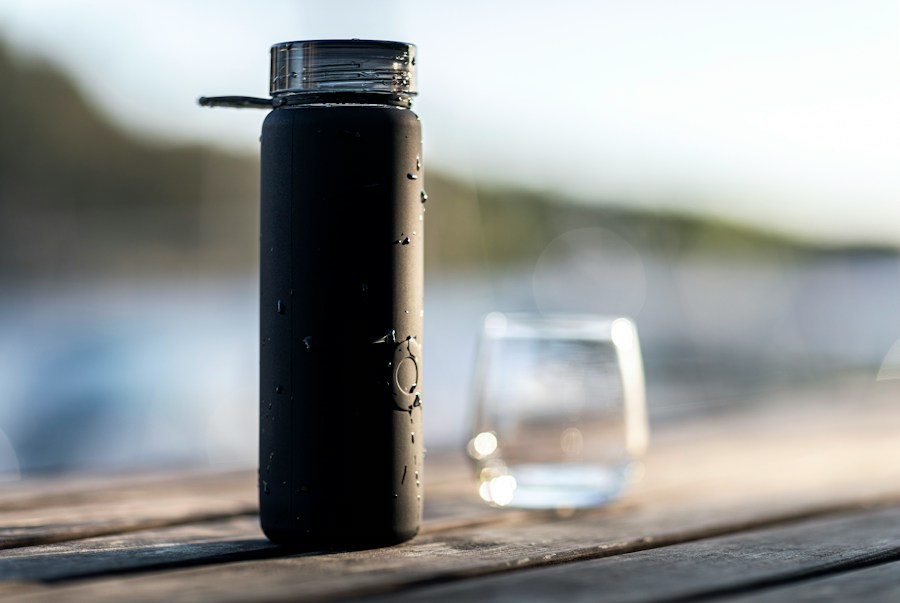
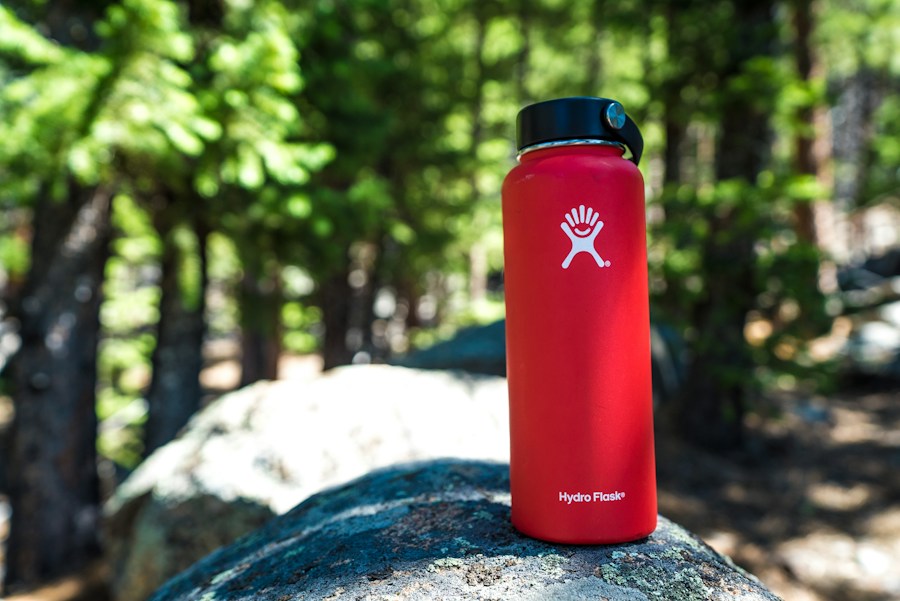
Carry a Reusable Water Bottle
Make it a constant companion. Seeing it reminds you to sip, and it’s environmentally friendly. Refill it throughout the day.
Set Reminders
If you’re prone to forgetting, use your phone or a smart device to set gentle reminders to drink water every hour or so. There are also many hydration tracking apps available.
Drink Water Before Meals
Having a glass of water 20-30 minutes before eating can aid digestion and even help with appetite control.
Flavor Your Water Naturally
If plain water feels unexciting, infuse it with slices of fruit (lemon, lime, berries), cucumber, or herbs (mint, basil). Avoid artificial flavorings.
Make Hydration a Habit
Associate drinking water with daily activities, like immediately after waking up, before your morning coffee, or after every bathroom break. Consistency is key.
In conclusion, hydration isn’t a fad; it’s a fundamental pillar of health. By understanding the science, debunking the myths, and adopting practical strategies, you can effortlessly ensure your body’s “biological machine” runs smoothly and efficiently every single day. Listen to your body, respond to its cues, and make water your consistent ally.
FAQs
1. Why is staying hydrated important?
Staying hydrated is important for maintaining bodily functions such as regulating body temperature, aiding in digestion, transporting nutrients, and cushioning joints. Dehydration can lead to fatigue, dizziness, and even more serious health issues.
2. How much water should I drink each day?
The general recommendation is to drink eight 8-ounce glasses of water per day, which is about 2 liters or half a gallon. However, individual water needs can vary based on factors such as age, gender, activity level, and climate.
3. Can I stay hydrated by drinking other beverages besides water?
While water is the best choice for staying hydrated, other beverages such as herbal teas, milk, and even some fruits and vegetables can contribute to overall hydration. However, beverages with caffeine or alcohol can have a diuretic effect and may contribute to dehydration.
4. Is it possible to overhydrate?
Yes, overhydration, also known as hyponatremia, can occur when the body’s sodium levels become too diluted. This can be dangerous and even life-threatening. It is important to drink fluids in moderation and be mindful of electrolyte balance.
5. What are some common hydration myths that need debunking?
Some common hydration myths include the idea that you need to drink 8 glasses of water per day (individual needs vary), that thirst is not a reliable indicator of hydration (it is), and that only water can keep you hydrated (other beverages and foods contribute to hydration).